
New Smell Loss Treatments Show Promise After COVID
Millions who lost their sense of smell during COVID now have real hope. Scientists are testing breakthrough treatments that could restore this life-changing sense.
Find uplifting stories about heroes, innovations, and solutions
4840 results for "smell loss"
Millions who lost their sense of smell during COVID now have real hope. Scientists are testing breakthrough treatments that could restore this life-changing sense.

A researcher at Ohio State University has developed a simple clip and plug device that helps people regain their sense of smell. For the first time, smell loss patients are smelling coffee and chocolate again.

Researchers discovered that smell receptors in the mouse nose aren't randomly scattered but organized into over a thousand precise stripes. This breakthrough could help us understand human smell loss and develop new treatments.

Scientists at Harvard Medical School created the first complete map of smell receptors in the nose, solving a mystery that has puzzled researchers for decades. The breakthrough could lead to new treatments for millions who lost their sense of smell to COVID-19 and other conditions.

Scientists have created the first detailed map of how smell works in the nose, solving a mystery that has puzzled researchers for decades. The discovery could lead to new treatments for people who've lost their sense of smell.

A new weight-loss pill from AstraZeneca helped trial participants lose nearly 12% of their body weight in just nine months, offering fresh hope in the race to make weight management easier. The tablet could soon give doctors and patients another powerful tool in fighting obesity.

Researchers have created the first detailed maps showing exactly how mouse noses are organized to detect smells, overturning 30 years of scientific teaching. The discovery reveals that smell receptors arrange themselves in precise horizontal stripes, not randomly as previously believed.

Harvard researchers just cracked one of biology's biggest mysteries by discovering smell receptors in the nose form organized stripes, not random clusters. This breakthrough could finally lead to treatments for people who've lost their sense of smell.
Scientists just overturned 30 years of textbook science about how noses work, creating the first detailed "smell maps" that show receptors are precisely organized, not random. The discovery could revolutionize our understanding of the sense of smell across all mammals.

A tiny molecule discovered using AI mimics Ozempic's weight loss effects without the nausea, constipation, or muscle loss. Animal studies show the peptide targets only the brain's appetite center, not the entire digestive system.

New research challenges concerns that popular GLP-1 medications like Wegovy and Zepbound cause excessive muscle loss. The findings offer reassurance to millions considering or using these breakthrough weight-loss treatments.
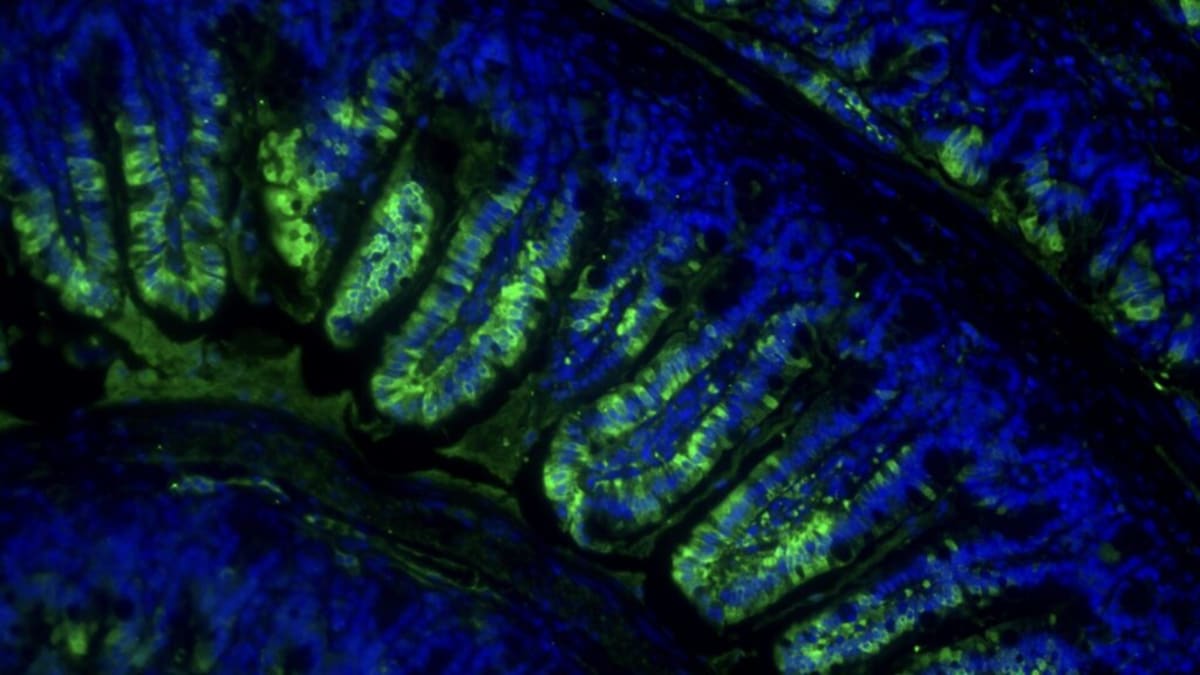
A biotech company just released promising early results for a pill that copies how exercise protects muscle mass while helping people lose weight. Unlike current weight loss drugs, this treatment aims to prevent the muscle loss that happens when people stop and restart medications. #
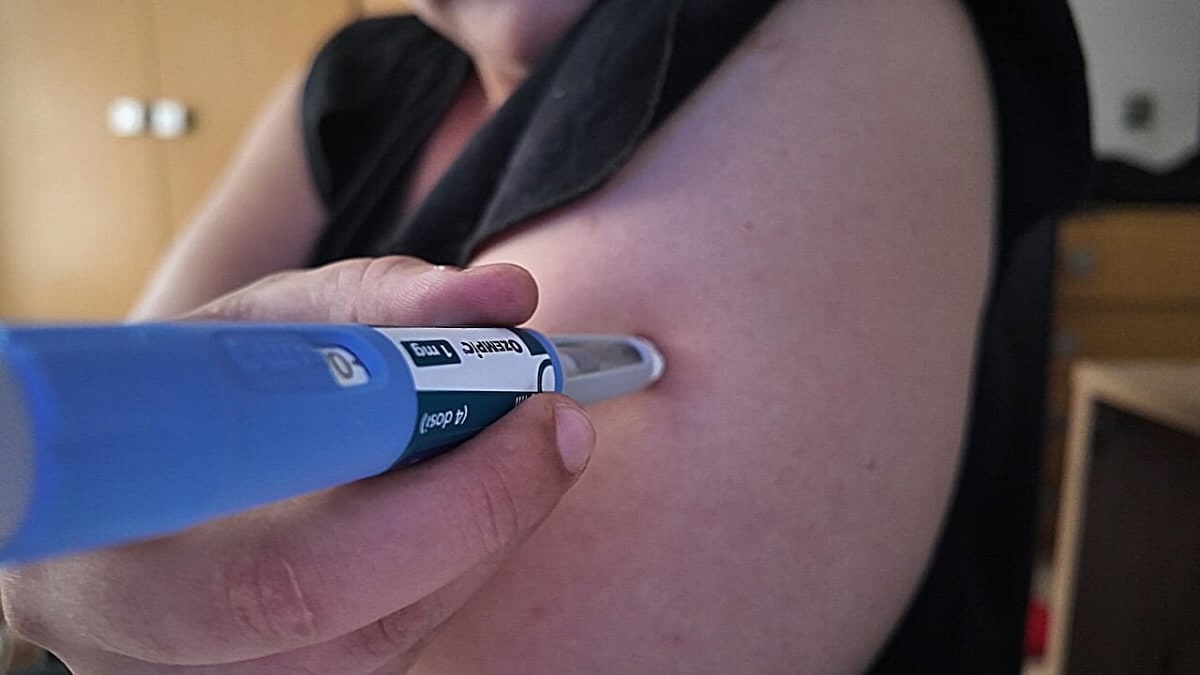
People using GLP-1 weight loss medications may not need weekly injections forever. A new study shows many patients maintain their weight loss while spacing out doses to every two or even six weeks.

French researchers have pinpointed the exact brain cells that store early childhood scent memories, explaining why a simple smell can transport you back decades. The discovery reveals that special cells formed on day one of life capture our first pleasant experiences.

A daily pill helped patients lose 16% of their body weight in 44 weeks, outperforming other oral medications in development. The breakthrough could make obesity treatment more accessible to millions who avoid injections.

Researchers at UC Berkeley have discovered a compound that helps mice lose fat while preserving muscle, offering a potential alternative to appetite-suppressing drugs like Ozempic. The treatment works by boosting metabolism instead of reducing hunger.
After years of misdiagnosis and failed treatments, a Canadian woman's mysterious voices finally made sense when doctors discovered her significant hearing loss. Her case is now helping doctors understand when hearing voices doesn't mean psychosis.
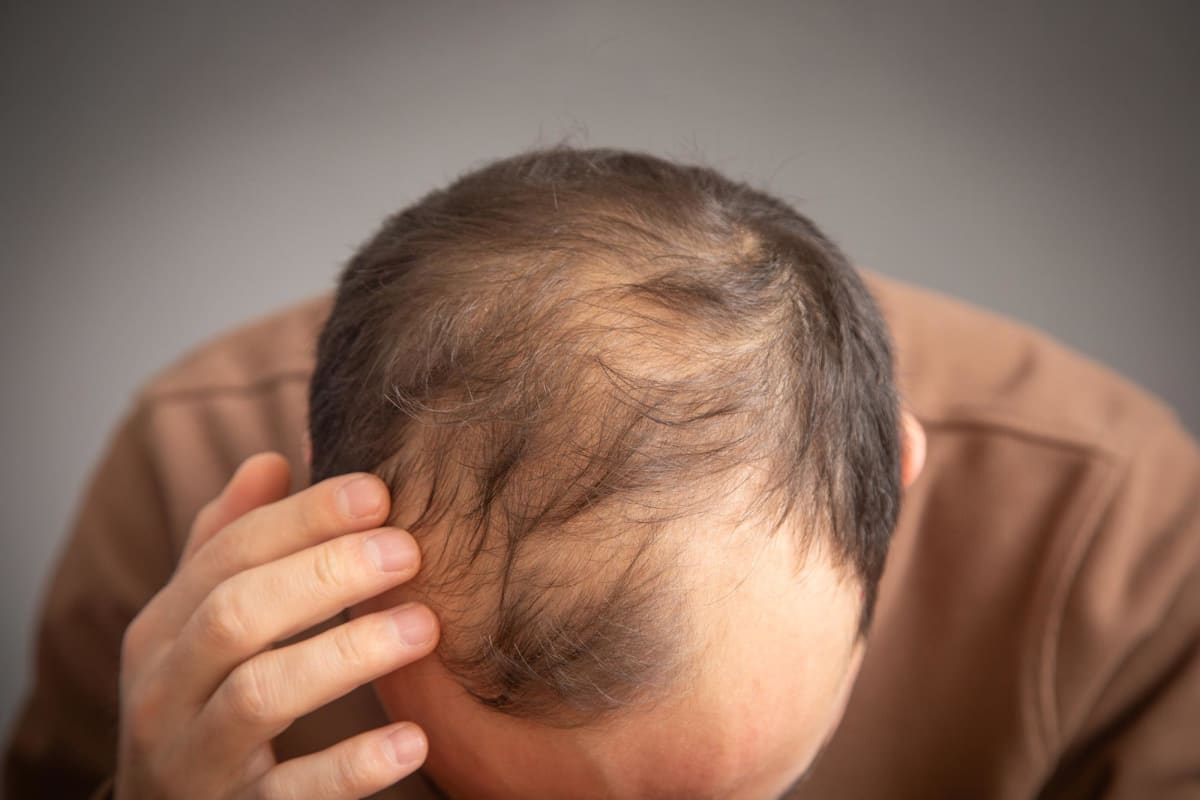
Researchers have discovered why hair follicle stem cells sometimes fail to regrow hair and identified a protective protein that could change treatment forever. The breakthrough offers hope for millions facing alopecia and other forms of hair loss.

NIH researchers have discovered why popular weight loss drugs like Ozempic eventually stop working as well, and they've found a potential way to extend their effectiveness. The breakthrough could help millions push past frustrating plateaus.
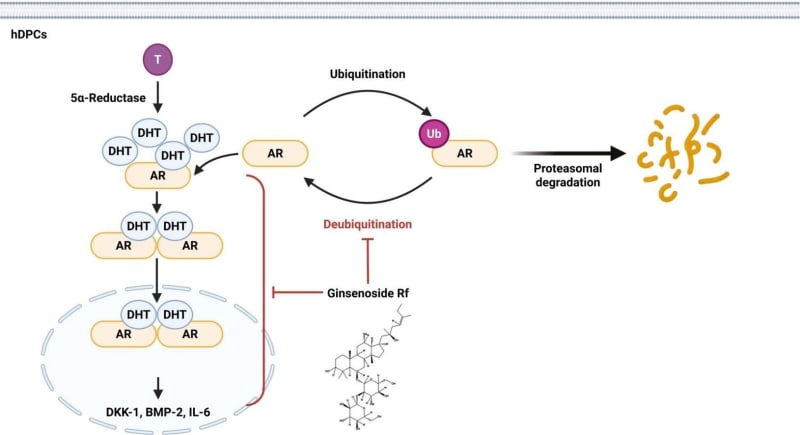
Scientists have discovered a natural compound in Korean ginseng that significantly improves hair growth in laboratory studies, offering hope for millions struggling with hair loss. The breakthrough could lead to effective treatments without the side effects of current medications.
Showing 20 of 4840