Search

Find uplifting stories about heroes, innovations, and solutions

5 results for "water filtration"

Lagos Hospital Gets Free Water Filters for Staff, Visitors
Planet Wins4h ago

Lagos Hospital Gets Free Water Filters for Staff, Visitors

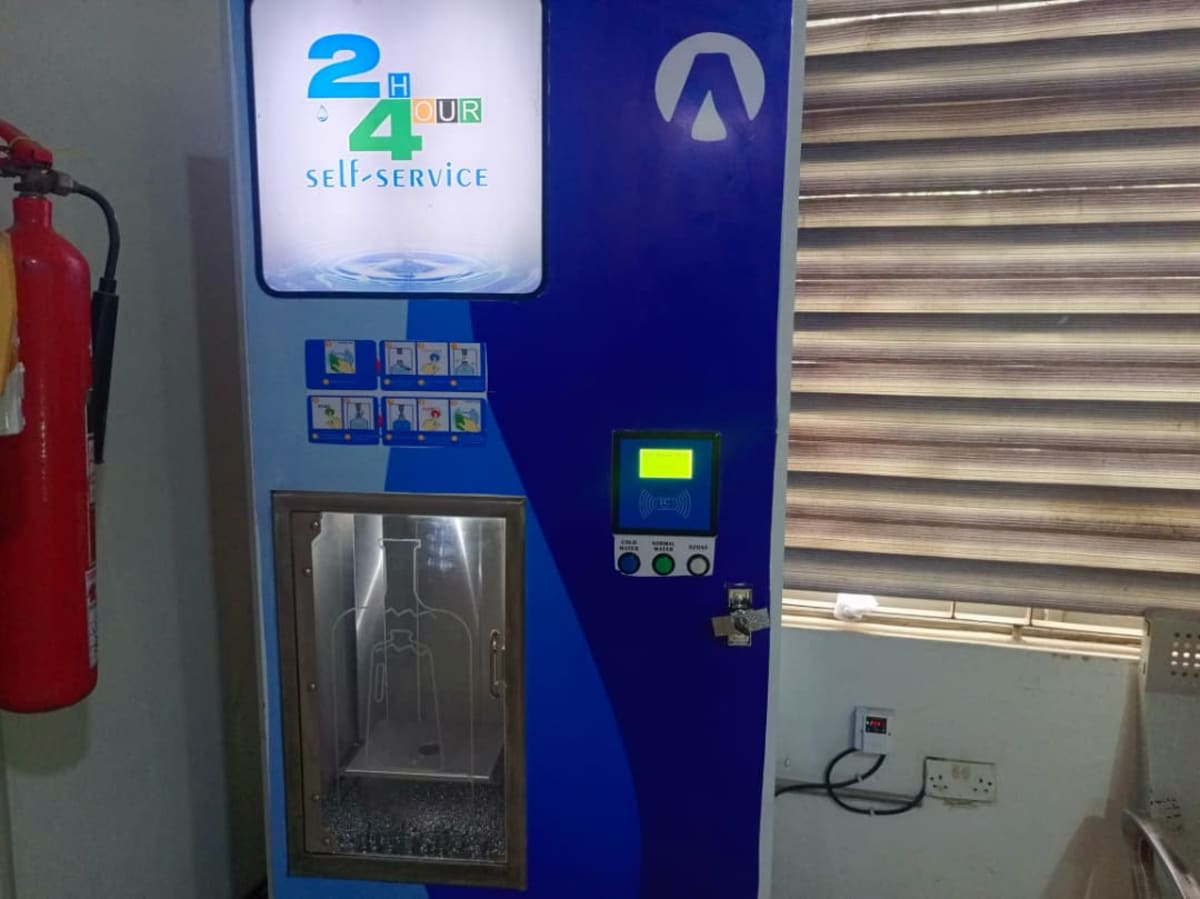
A Nigerian company just installed free water filtration systems at Lagos State University Teaching Hospital, where staff and patients can now access clean drinking water at lower costs. In a city where 90% of residents lack reliable public water supply, this pilot project could be a game changer for underserved communities.

Premium Times Nigeria3 min read
New Filter Traps 98% of Forever Chemicals in Water
InnovationApr 9

New Filter Traps 98% of Forever Chemicals in Water

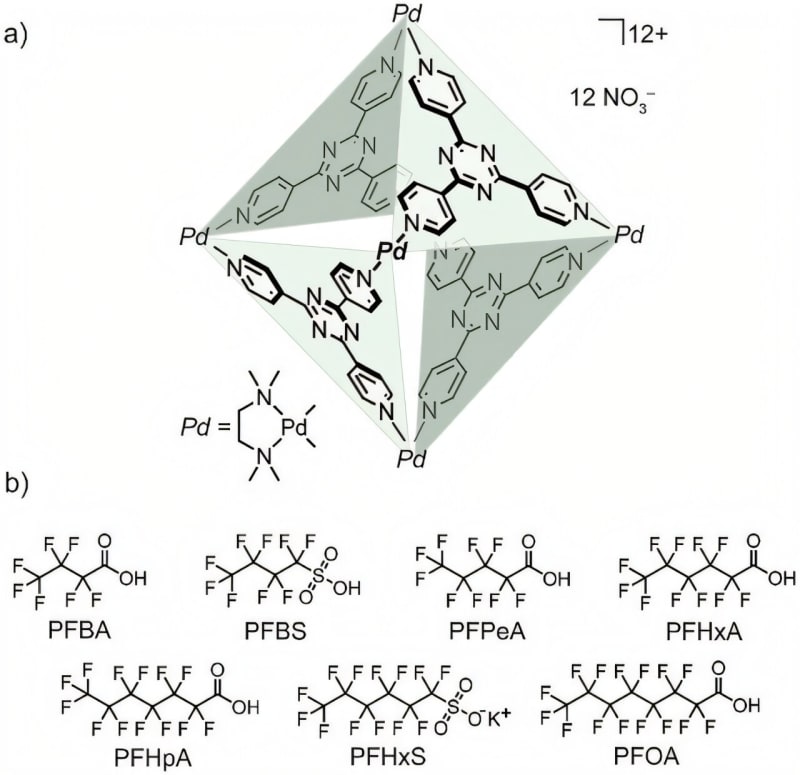
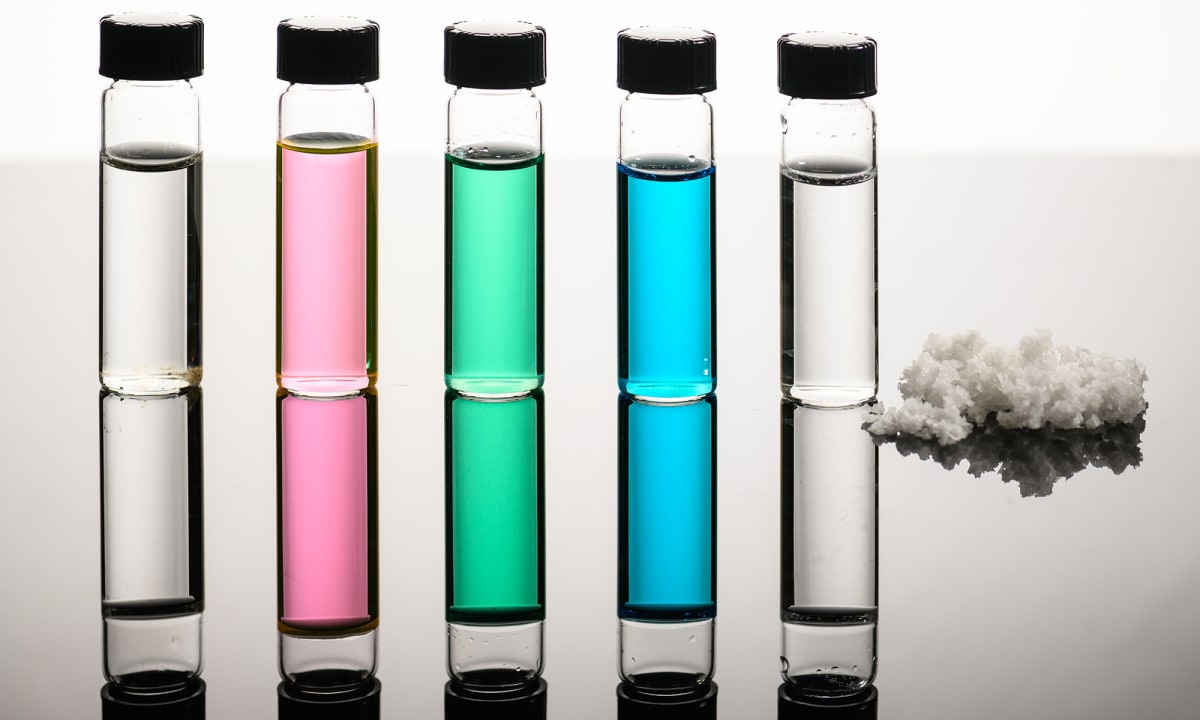
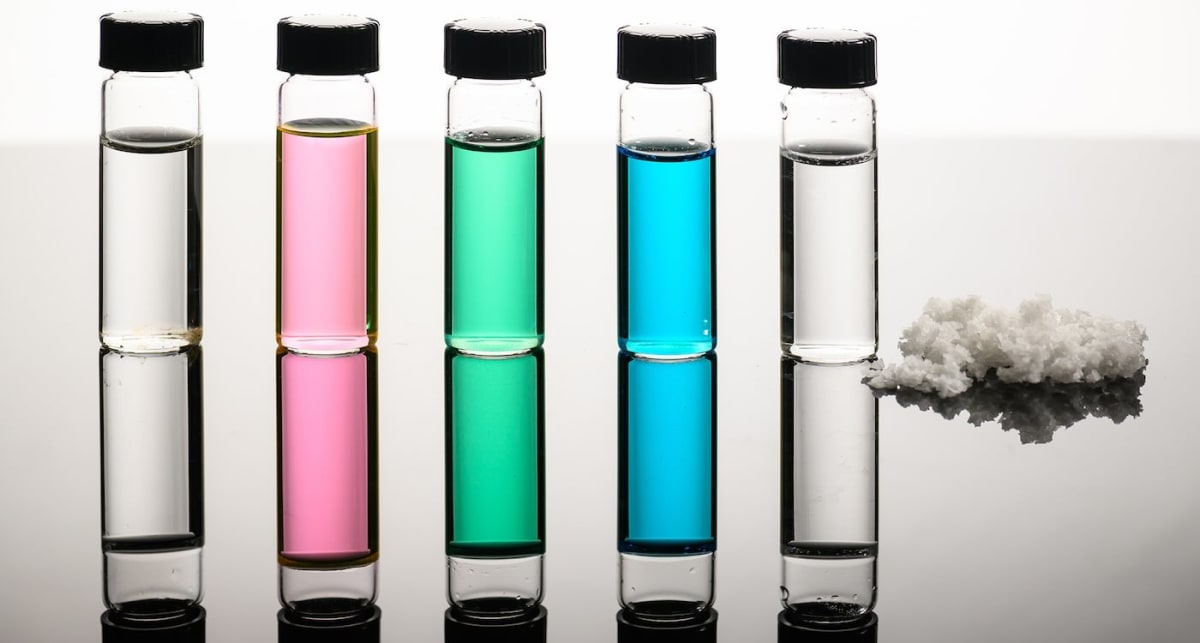
Australian scientists created a nano-sized "cage" that captures the toughest forever chemicals in drinking water, removing 98% of PFAS pollutants. The breakthrough could transform how we clean contaminated water supplies worldwide.

Health Daily3 min read
Nano-Cage Removes 98% of PFAS from Tap Water
SolutionsFeb 26

Nano-Cage Removes 98% of PFAS from Tap Water

Australian scientists have created a microscopic "cage" that captures the toughest water pollutants on Earth, removing up to 98% of PFAS chemicals from drinking water. The reusable technology could finally tackle forever chemicals that existing filters can't catch.

Phys.org2 min read
🌍
Planet WinsFeb 14

Tulum Launches Certified Sustainable Cenote Tourism Route

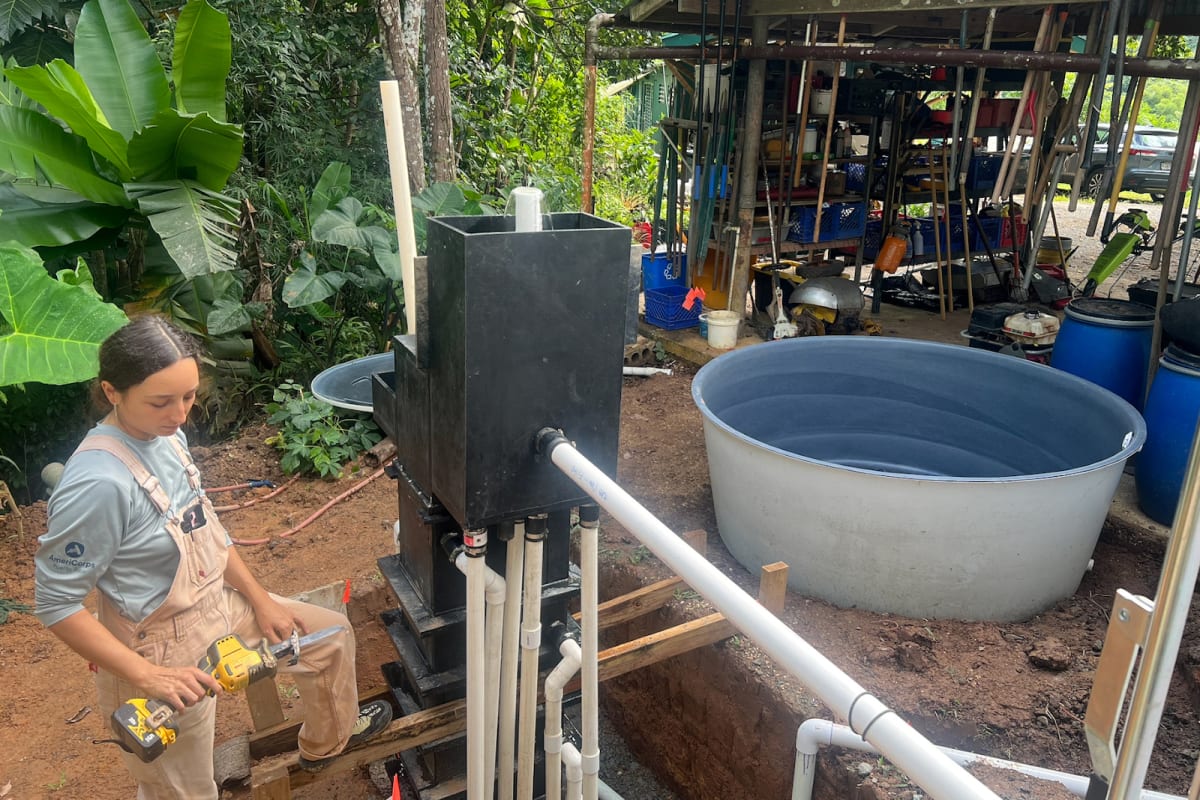
Tulum just formalized access to 12 of its stunning cenotes with a certified sustainable tourism program that protects these precious freshwater ecosystems while welcoming visitors. The new route replaces informal site visits with trained guides, marked trails, and water filtration systems at each location.

Mexico News Daily2 min read
New Filter Removes 99% of Nanoplastics From Drinking Water
SolutionsJan 24

New Filter Removes 99% of Nanoplastics From Drinking Water

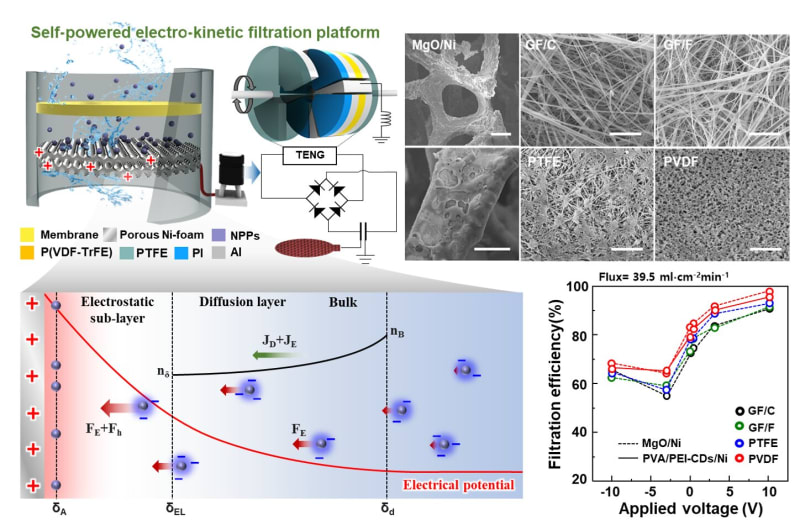
Scientists in South Korea invented a reusable filter that removes over 99% of the tiniest plastic particles from water without needing electricity. The breakthrough could finally tackle pollution found in hundreds of thousands of particles per bottle.

Phys.org - Technology2 min read