Open Peer Review Linked to Fewer Retractions
Scientists who share their peer review reports publicly see their papers retracted less often, new research shows. The finding suggests transparency might be a powerful indicator of research quality.
Read the latest positive news, breakthroughs, and inspiring stories about academic publishing, curated daily by BrightWire.
Scientists who share their peer review reports publicly see their papers retracted less often, new research shows. The finding suggests transparency might be a powerful indicator of research quality.
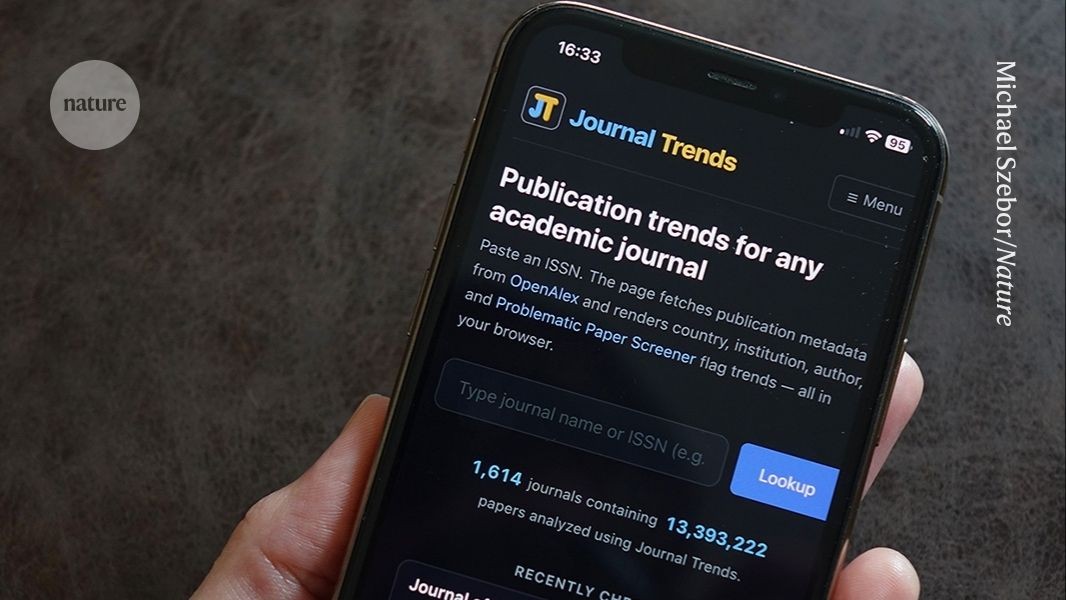
A free online platform now flags questionable academic journals in seconds, protecting researchers from predatory publishers. The tool reveals publishing patterns that once took hours to uncover manually.

Undergraduates at Virginia Wesleyan University just released a peer-reviewed academic journal entirely written, edited, and managed by students themselves. The publication showcases research on everything from climate action to global policy, proving young scholars are ready to contribute to real-world conversations.

Researchers built a smarter way to find discoveries that truly changed science, including overlooked breakthroughs made by different teams at the same time. Their new system spotted Nobel Prize-winning work that older methods missed.
Stanford researchers created an AI system that helps scientists write better, kinder peer reviews. The tool analyzed 20,000 reviews and helped reviewers be more specific and professional.
A groundbreaking analysis of 36.5 million scientific articles reveals that research by women waits up to 15% longer in peer review than work by men, finally giving scientists hard data to address publishing disparities. The findings point to a fixable problem in how scientific knowledge reaches the world.

Researchers using AI tools publish three times more papers and get nearly five times more citations than their peers. But new analysis of 40 million studies reveals a surprising trade-off for science as a whole.