Baby Gibbon Rescued in Assam Shines Light on India's Apes
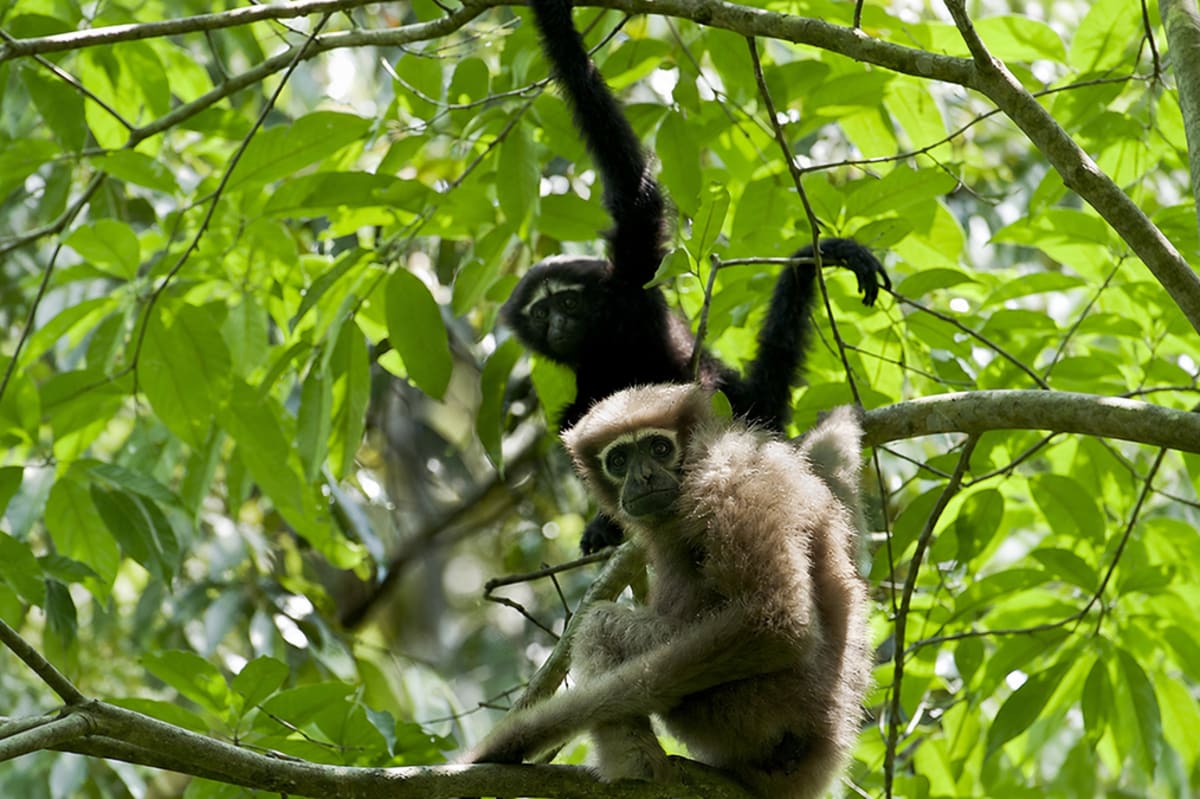
A three-week-old western hoolock gibbon found clinging to her electrocuted mother is recovering at a wildlife center in Assam. Her rescue highlights urgent conservation needs for India's only ape species, with fewer than 5,000 remaining in the wild.
📺 Watch the full story above
When forest officials found a baby gibbon near Kohora in Assam's Golaghat district, she was still holding onto her dead mother. The adult had been electrocuted, leaving the three-week-old infant orphaned and alone in the forest.
On April 11, 2026, rescuers rushed her to the Centre for Wildlife Rehabilitation and Conservation near Kaziranga National Park. Veterinarians placed her in neonatal intensive care with specialized milk and constant monitoring.
One month later, the tiny ape had gained 160 grams and started behaving like a young gibbon again. She began exploring branches, attempting short climbs, and reaching upward naturally.
Her diet now includes figs, bamboo shoots, and Bauhinia leaves alongside milk. Caregivers gave her a soft ape plush toy for comfort, which she carries around her enclosure and curls up with while resting.
Rehabilitation could take months or even years. She must learn to balance, swing through canopies, and forage before returning to the wild, all while human contact stays minimal to prevent dependency.
The Ripple Effect
This rescue matters beyond one baby's survival. The western hoolock gibbon is India's only ape species, spending nearly its entire life swinging through connected treetops.
Fewer than 5,000 remain in India today. Fragmented forests and expanding power lines force gibbons to cross dangerous areas, leading to electrocution and death.
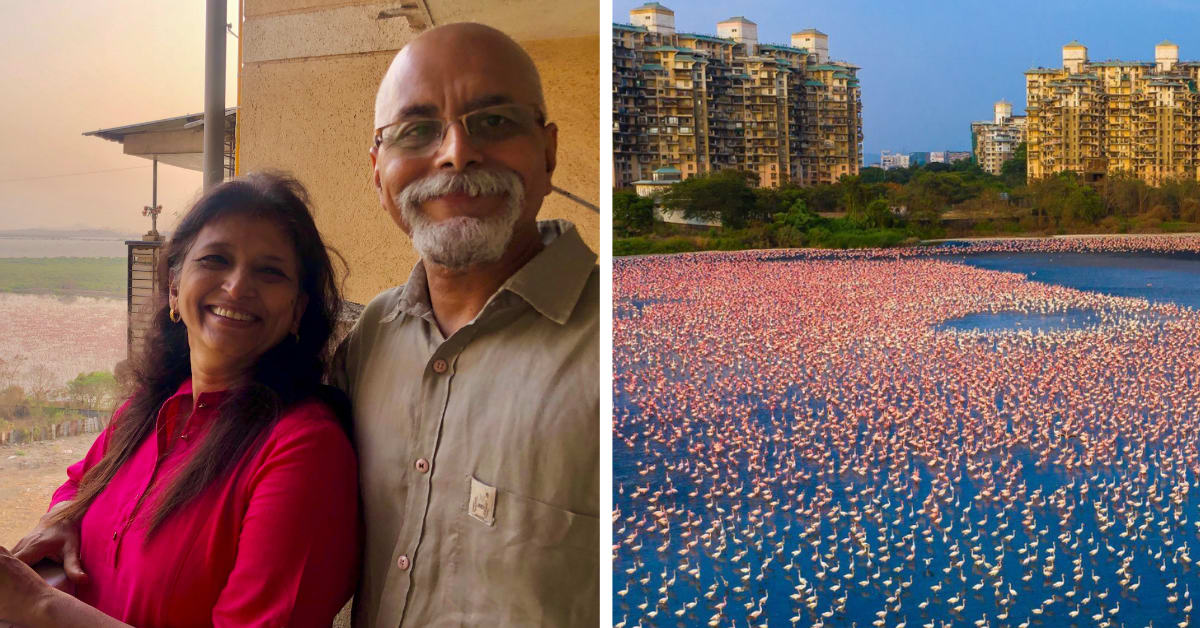
Indian Forest Service officer Sonali Ghosh has championed a solution for over 25 years. Her approach focuses on protecting connected landscapes so animals never need rescuing in the first place.
As the first woman Field Director of Kaziranga National Park, Ghosh earned the 2025 WCPA-Kenton Miller Award for her landscape-first conservation philosophy. She became the first Indian to receive this global honor for protected area leadership.
Her work recognizes that connected forest canopies allow gibbons to move safely through treetops. Every adult gibbon lost affects the species' future, making each successful rescue a step toward preserving India's only apes.
This orphaned baby now represents hope for her entire species.
More Images
%2Fenglish-betterindia%2Fmedia%2Fmedia_files%2F2026%2F07%2F16%2Fgibbon-2026-07-16-10-29-37.png)
%2Fenglish-betterindia%2Fmedia%2Fmedia_files%2F2025%2F11%2F20%2Fwild-at-heart-banner-image-microsite-banner-2025-11-20-16-17-04.jpg)
%2Ffilters%3Aformat(webp)%2Fenglish-betterindia%2Fmedia%2Fmedia_files%2F2026%2F07%2F16%2Fgibbon-2026-07-16-10-20-43.png)
Based on reporting by The Better India
This story was written by BrightWire based on verified news reports.
Spread the positivity!
Share this good news with someone who needs it