Florida Detention Center Closes After Environmental Lawsuit
A controversial detention center in the Florida Everglades has shut down after a year of aggressive legal challenges from environmental groups who proved the facility violated federal environmental laws. The win shows how enforcing bedrock environmental protections can stop hastily built projects that threaten fragile ecosystems.
📺 Watch the full story above
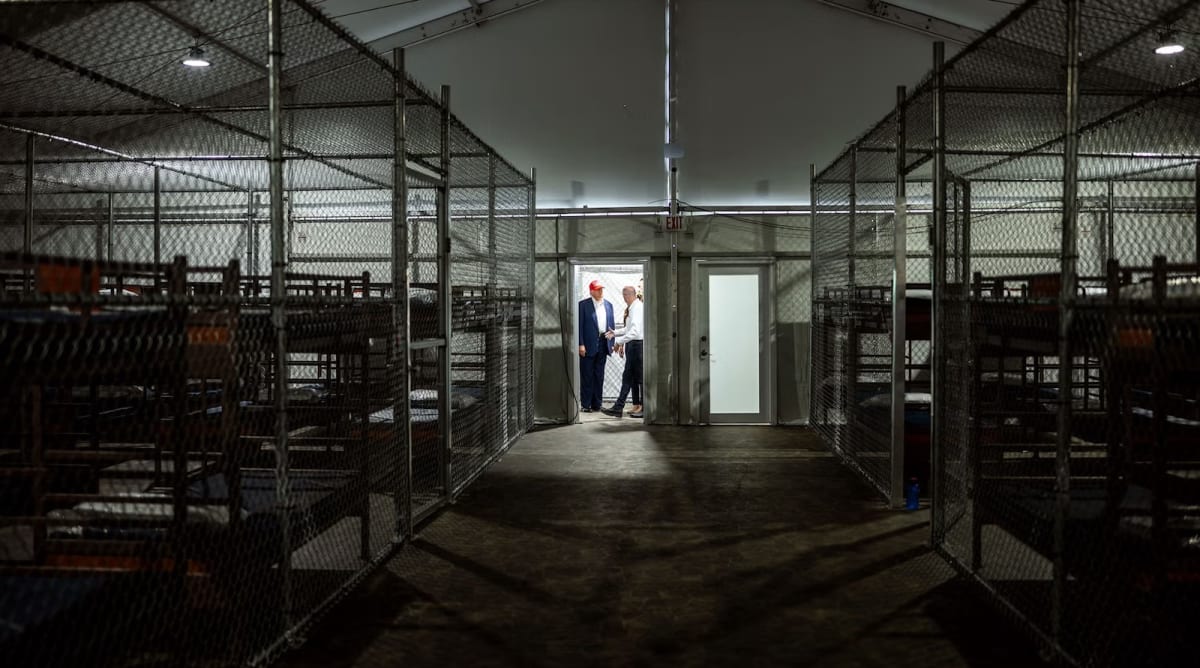
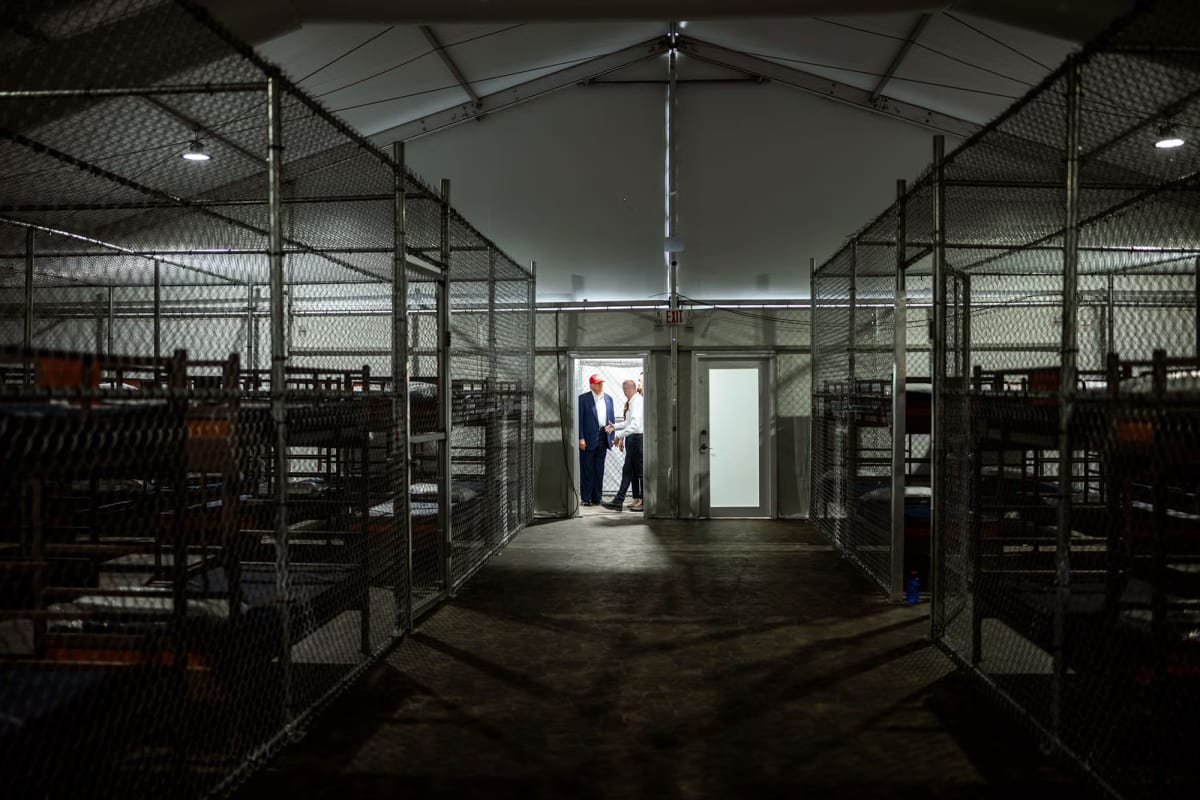
After a year of determined legal action, environmental lawyers have successfully shut down a massive detention center built illegally in the heart of the Florida Everglades.
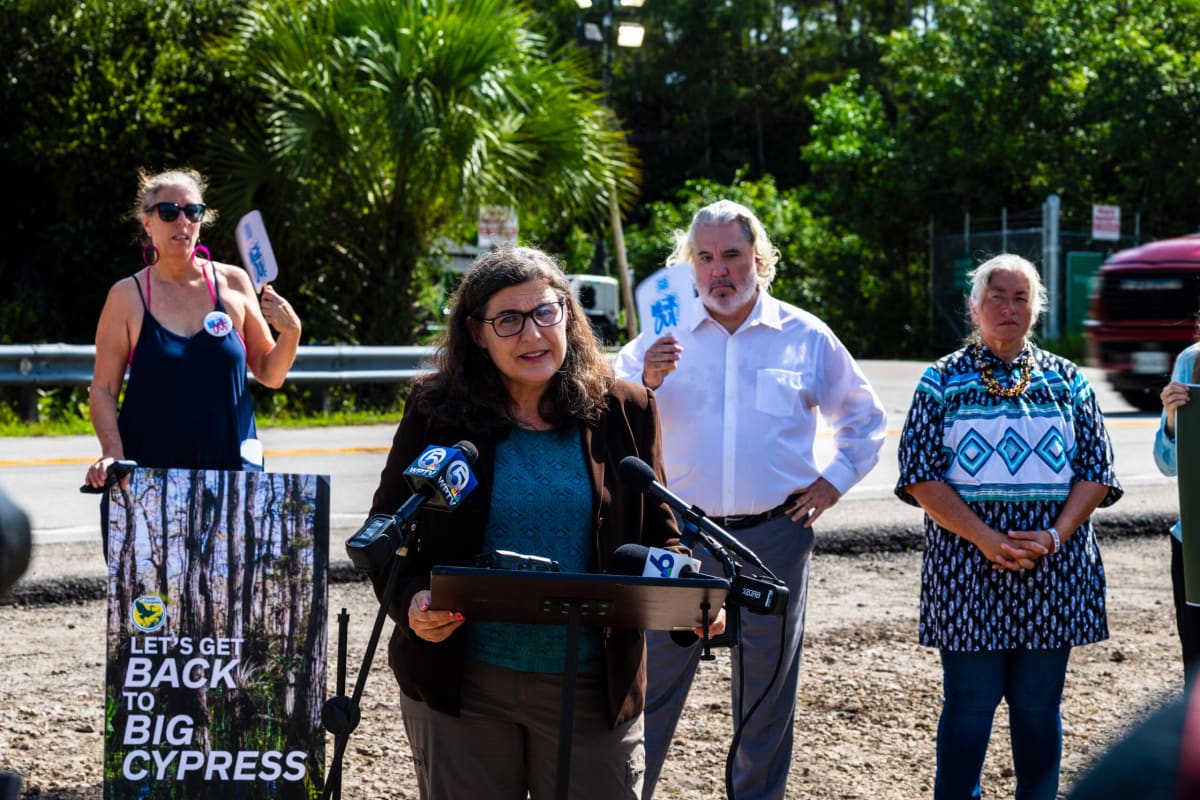
The facility, dubbed "Alligator Alcatraz," closed its detention operations in late June after Earthjustice and partner organizations proved the center was built without required environmental reviews. The lawsuits revealed that federal and state agencies had rushed construction in Big Cypress National Preserve without following the National Environmental Policy Act.
The detention center threatened to hold thousands of people in a federally protected ecological refuge home to endangered species like the Florida panther and bonneted bat. The intense operations brought pavement, hazardous waste, diesel generators, and bright lights into sensitive wetlands that depend on careful protection.
Earthjustice represented Friends of the Everglades and partnered with the Center for Biological Diversity and the Miccosukee Tribe in the challenge. Their legal work uncovered information the government tried to hide: despite claims that federal funding wasn't certain, public records showed the administration had committed $608 million from the very beginning.
Managing Attorney Tania Galloni and her team filed multiple lawsuits, including one in October when Florida illegally withheld public records about the center's funding. Each legal challenge revealed more problems with how the facility was built and operated.
The Ripple Effect
The Florida victory is creating waves across the country. Similar legal challenges supported by Earthjustice have stopped warehouse detention center conversions in Maryland and paused construction in New Jersey.
In Maryland, plans to convert a warehouse with only four toilets into a facility for 1,500 people have been halted while courts review the case. The agency offered no plan for managing wastewater flow into the Potomac River, another example of sidestepping environmental reviews.
The legal strategy is straightforward: hold agencies accountable to environmental laws that protect both ecosystems and nearby communities. When officials try to skip required reviews to build facilities quickly, environmental groups can step in and demand compliance.
While detainees at the Everglades center have been moved to other facilities, the legal fight continues. Earthjustice is challenging additional violations of federal historic preservation laws and state regulations related to the site.
The case proves that environmental laws remain powerful tools for protecting vulnerable places, even when agencies try to ignore them in pursuit of other goals.
More Images

Based on reporting by CleanTechnica
This story was written by BrightWire based on verified news reports.
Spread the positivity!
Share this good news with someone who needs it