Mars 3D Printing Breakthrough Uses Planet's Own Air
Scientists just discovered that astronauts can 3D print metal tools on Mars using the planet's carbon dioxide atmosphere instead of expensive imported gases. This game-changing discovery could save millions and bring permanent Mars settlements one step closer to reality.
📺 Watch the full story above
Forget packing everything but the kitchen sink for Mars. Scientists just figured out how to help astronauts manufacture critical metal parts using the red planet's own atmosphere.
Researchers at the University of Arkansas made a surprising discovery while testing 3D printing methods for space missions. They found that Mars' carbon dioxide atmosphere can actually work as a shield gas for printing metal parts, potentially saving millions in mission costs.
Here's why this matters. Metal 3D printing normally requires argon gas to protect melted metal from oxygen, which makes parts brittle and useless. On Earth, argon is already expensive. On Mars, where it barely exists, astronauts would need to import it at astronomical costs.
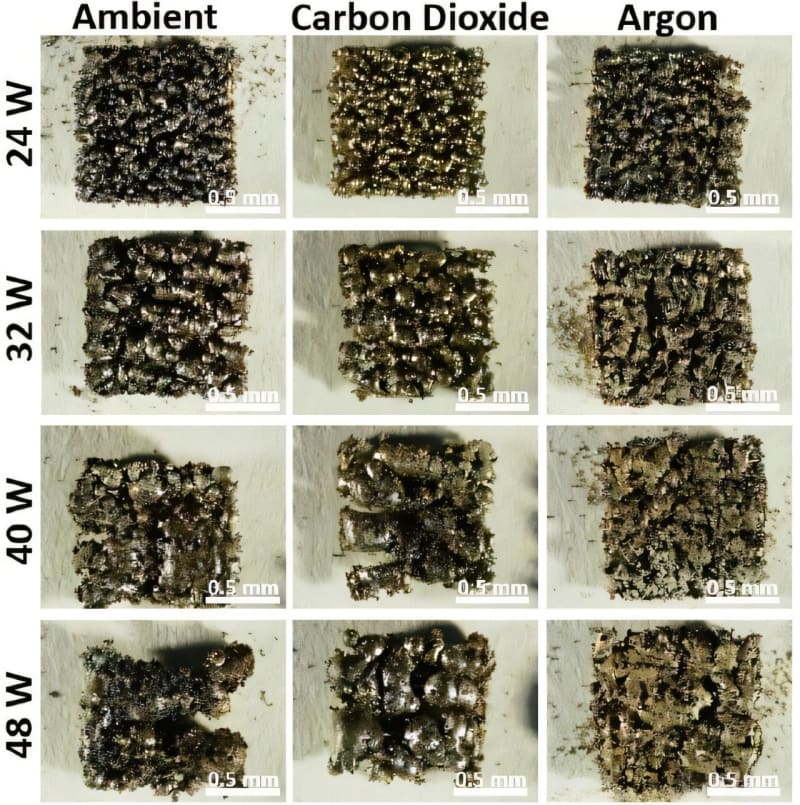
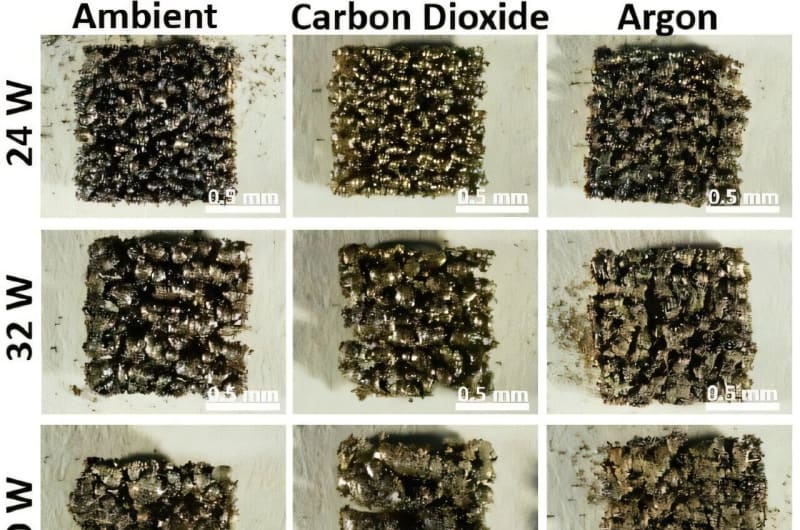
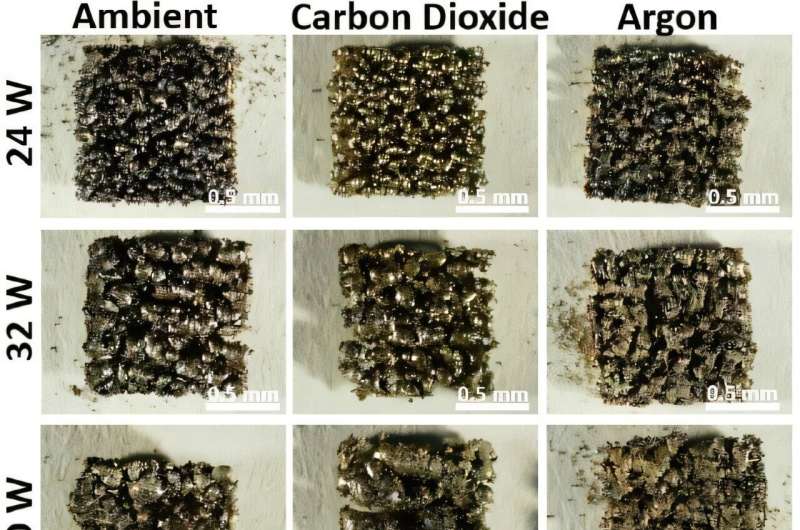
The research team tested three different gases: argon, carbon dioxide, and regular Earth air. They printed samples of 316L stainless steel, the tough workhorse material used for everything from door hinges to equipment handles.
The results surprised everyone. While argon performed best at 98% effectiveness, carbon dioxide came in at a respectable 85%. Regular air? A dismal 50%, making those parts essentially garbage.
The secret lies in chemistry. Carbon dioxide does contain oxygen, which normally spells disaster for metal printing. But at the extreme temperatures of the laser melt pool, CO2 breaks apart differently than expected. The partial pressure of oxygen in pure CO2 is actually lower than in Earth's nitrogen-rich air, so less oxygen gets forced into the metal where it causes damage.
Parts printed with CO2 had about 1.6 times more oxygen content than argon-printed parts. But they're still strong enough for non-critical infrastructure like hinges, handles, and support structures.
The Ripple Effect
This breakthrough reaches far beyond Mars. Metal 3D printing companies on Earth spend heavily on argon gas for every project. Switching to cheaper CO2 for certain parts could slash manufacturing costs across industries, from automotive to construction.
The printed parts look less polished than argon-produced ones, which might matter to companies worried about appearances. But astronauts nine months from Earth won't care if their replacement door handle isn't Instagram-worthy.
Picture this: astronauts simply wheeling their 3D printer outside the habitat, using the very atmosphere that poses constant danger to create the tools they need to survive. That's the ultimate example of living off the land.
The technology isn't just theoretical anymore. These tests prove that Mars itself can provide resources for long-term human settlement. Every breakthrough like this transforms the dream of permanent Martian colonies from science fiction into engineering challenges we can actually solve.
This tiny innovation represents a giant leap toward the day when "Made on Mars" becomes as common as "Made on Earth."
More Images


Based on reporting by Phys.org
This story was written by BrightWire based on verified news reports.
Spread the positivity!
Share this good news with someone who needs it