Scientists Find Tiny Blue Octopus Never Seen Before
Researchers exploring near the Galapagos Islands discovered an adorable powder blue octopus species that doesn't belong anywhere near its tropical home. This golf ball-sized marine wonder has scientists puzzled and delighted.
📺 Watch the full story above
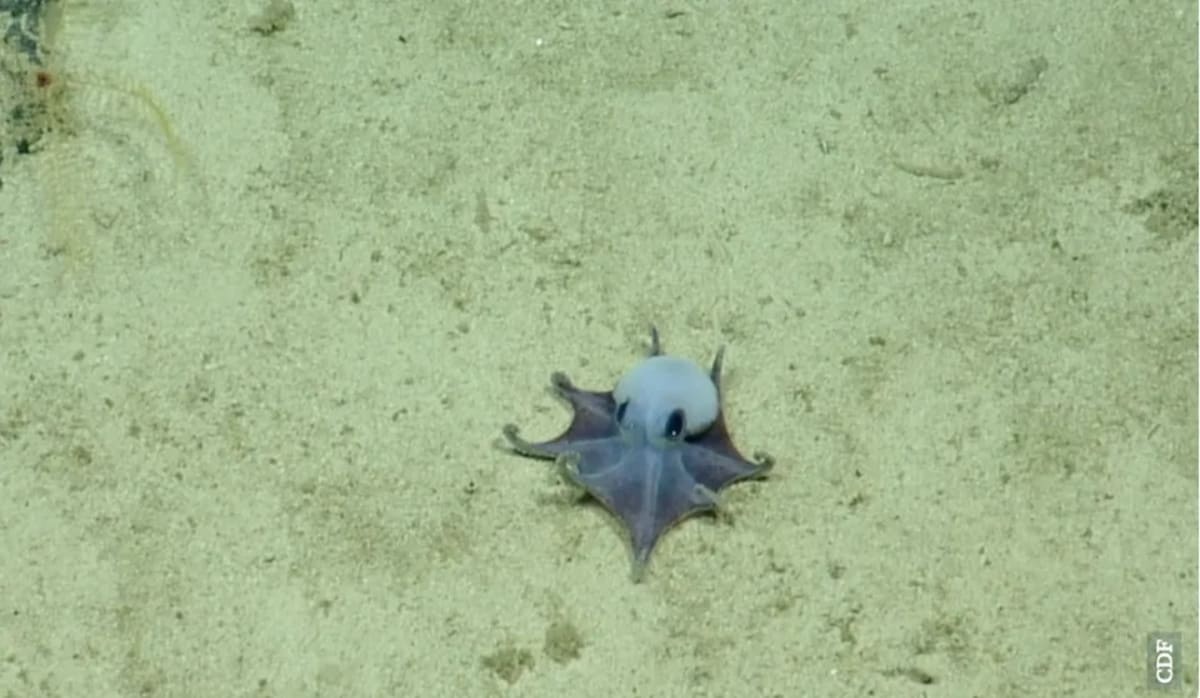
A powder blue octopus the size of a golf ball just appeared on camera screens near the Galapagos Islands, and even veteran scientists couldn't hold back their excitement.
The Charles Darwin Foundation team was scanning the ocean floor with a remotely operated vehicle when the tiny cephalopod made its debut. "He's tiny!" and "It's blue!" echo over the footage as researchers watched the unexpected visitor.
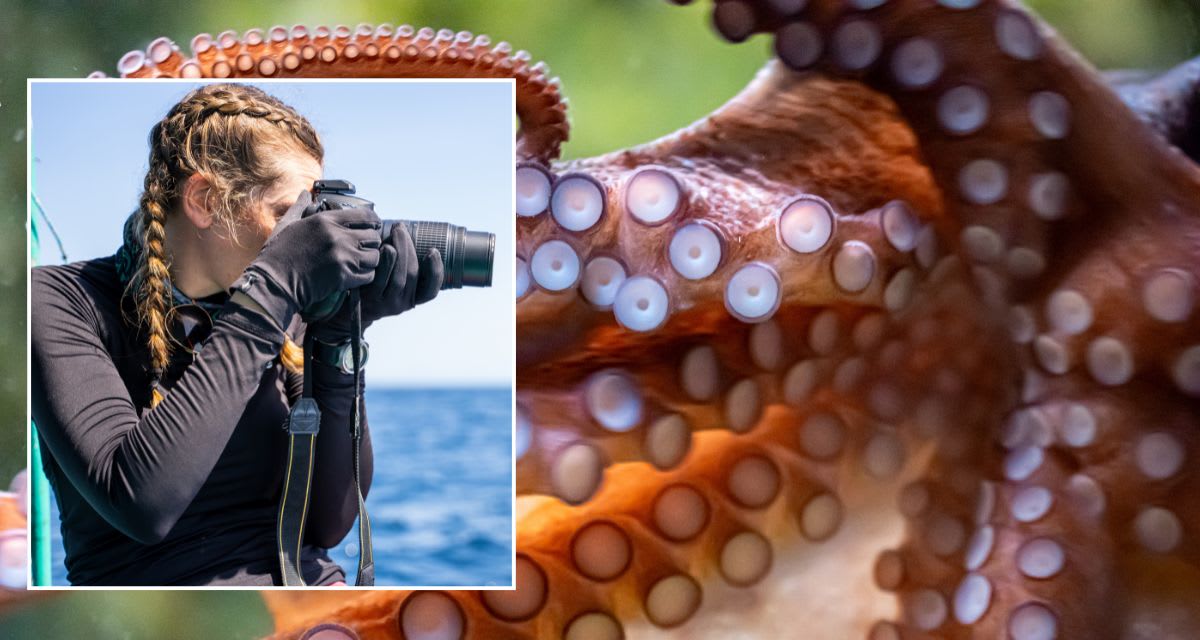
They sent the images to octopus expert Janet Voight, who knew immediately they'd found something special. "I'd never seen anything like it," said Voight, who has spent four decades studying these creatures.
The new species, named Microeledone galapagensis, sports nature's rarest color on top and a deep purple underside. Researchers believe this striking two-tone pattern serves a brilliant survival purpose beyond just looking adorable.
When the octopus catches glowing prey, it covers the light-emitting meal with its dark underside. This prevents predators from spotting the illuminated snack and turning the hunter into the hunted.
But the real mystery isn't just its kawaii appearance. This octopus belongs to a family that normally lives in frigid Antarctic waters, thousands of miles from the tropical Galapagos.
Members of the Megaleledonidae family, identified by their single row of suckers, are typically much larger and prefer cold environments. Finding one this small in warm waters rewrites what scientists thought they knew about this group.
The discovery joins four other new octopus species found in Costa Rica in 2024. All belong to a family of roughly 300 species spread throughout the world's oceans, each with unique adaptations.
Why This Inspires
Scientists estimate vast portions of the deep sea remain unexplored, hiding landscapes and creatures no one has documented yet. Every dive could reveal something that changes our understanding of life on Earth.
Octopuses already captivate us with their puzzle-solving abilities, impossible squeezing acts, and color-changing chromatophores. Yet each new species discovered brings fresh wonder, even to experts who've dedicated their lives to studying them.
Voight, despite her decades of experience, still marvels at deep-sea octopuses. "Hardly anybody on Earth has ever gotten to see them. I just feel lucky that I got to work with them," she said.
The ocean still holds countless surprises waiting to inspire the next generation of explorers.
More Images
Based on reporting by Google News - Scientists Discover
This story was written by BrightWire based on verified news reports.
Spread the positivity!
Share this good news with someone who needs it