Telescope Maps 47 Million Galaxies to Unlock Dark Energy
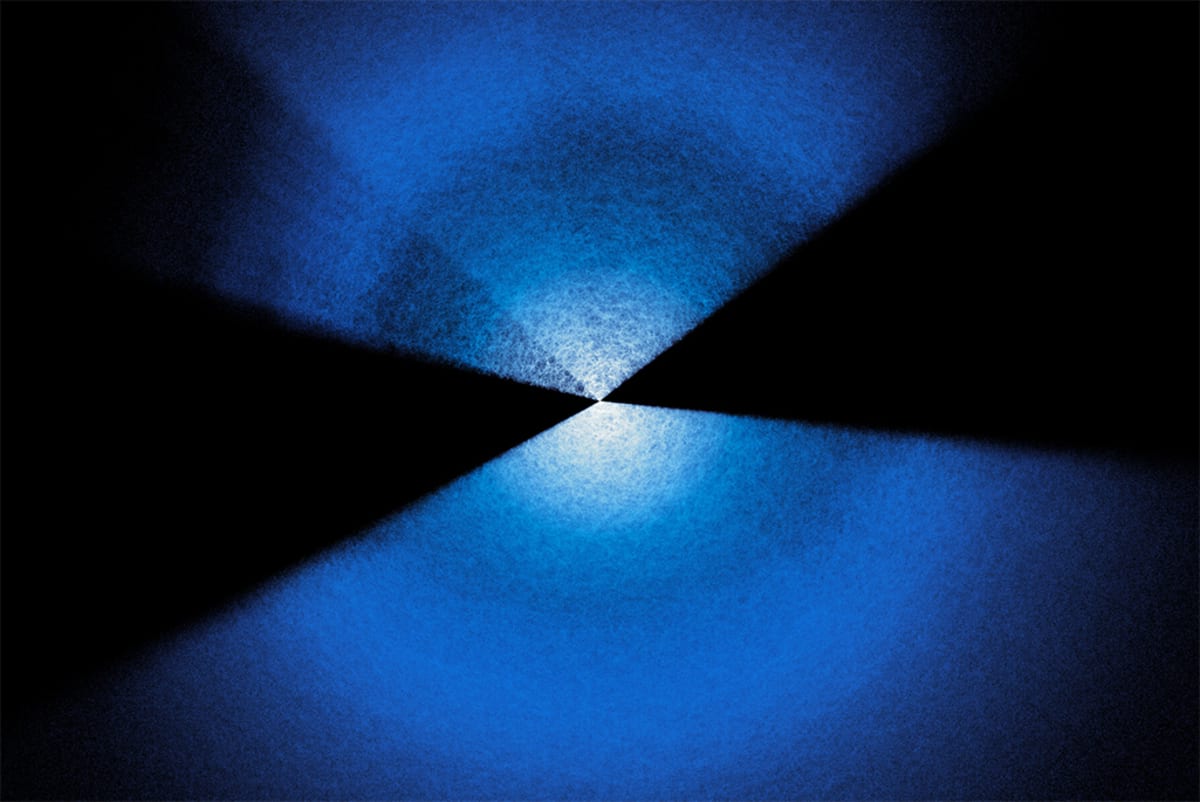
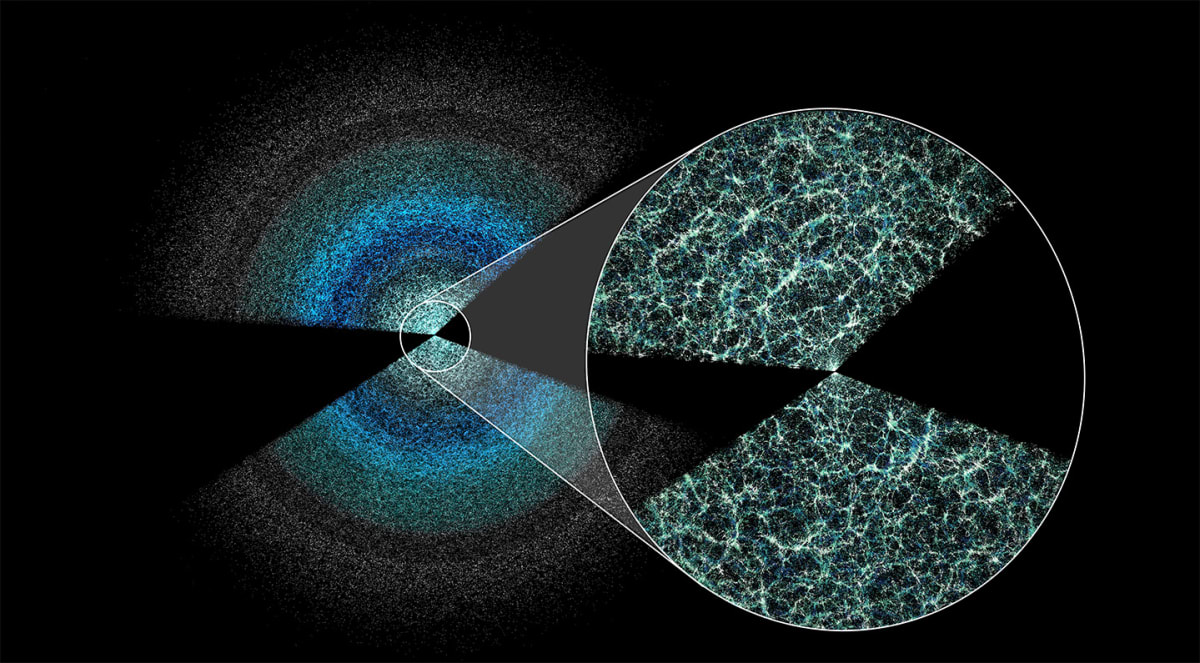
Scientists just completed the largest 3D map of the universe ever made, capturing 13 million more galaxies than planned and finishing ahead of schedule. The groundbreaking survey could reveal whether the mysterious force expanding our universe is changing over time.
📺 Watch the full story above
A telescope in Arizona has just finished mapping 47 million galaxies across 11 billion years of cosmic history, giving scientists their best chance yet to understand the mysterious force shaping our universe's fate.
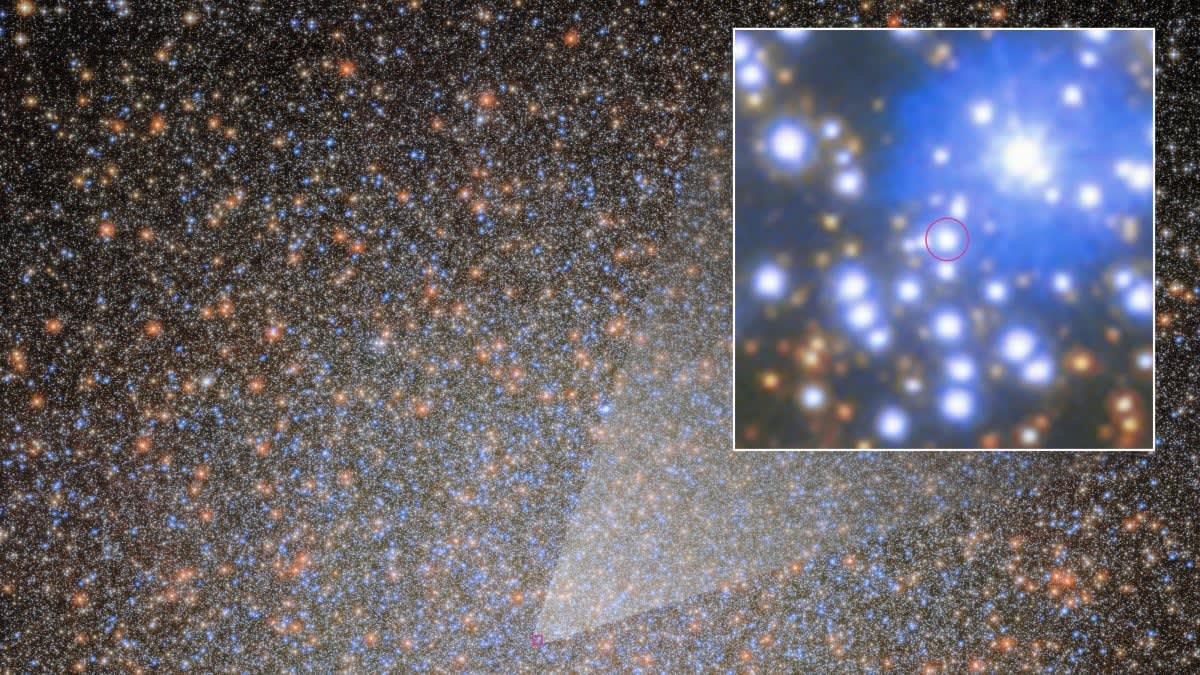
The Dark Energy Spectroscopic Instrument (DESI) wrapped up its five-year survey ahead of schedule this month, far exceeding its original goal of 34 million galaxies. The instrument's 5,000 fiber-optic "eyes" worked so efficiently that it also captured light from 20 million nearby stars, creating the most detailed cosmic map humanity has ever produced.
Scientists are using this massive dataset to study dark energy, the invisible force that makes up roughly 70% of our universe and drives its accelerating expansion. By comparing how galaxies clustered billions of years ago with their positions today, researchers can trace dark energy's influence across cosmic time.
The stakes couldn't be higher. Early results from DESI's first three years hinted at something surprising: dark energy might not be constant as scientists long believed. Instead, it could be evolving over time, which would fundamentally change our understanding of how the universe works and what its ultimate fate might be.
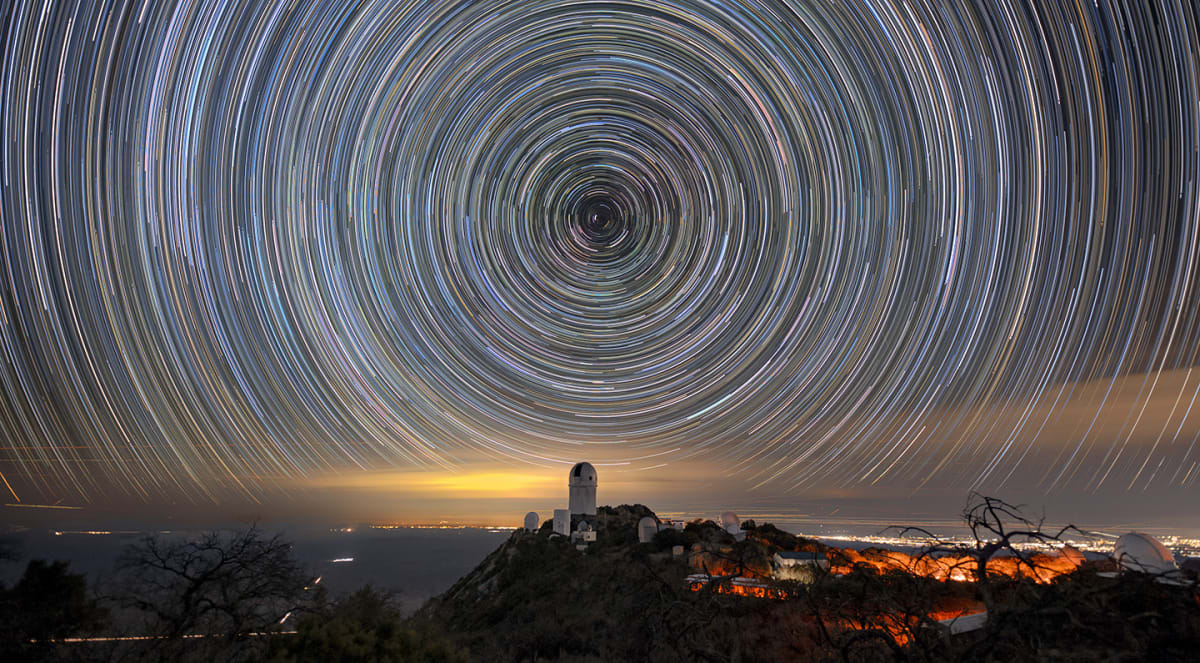
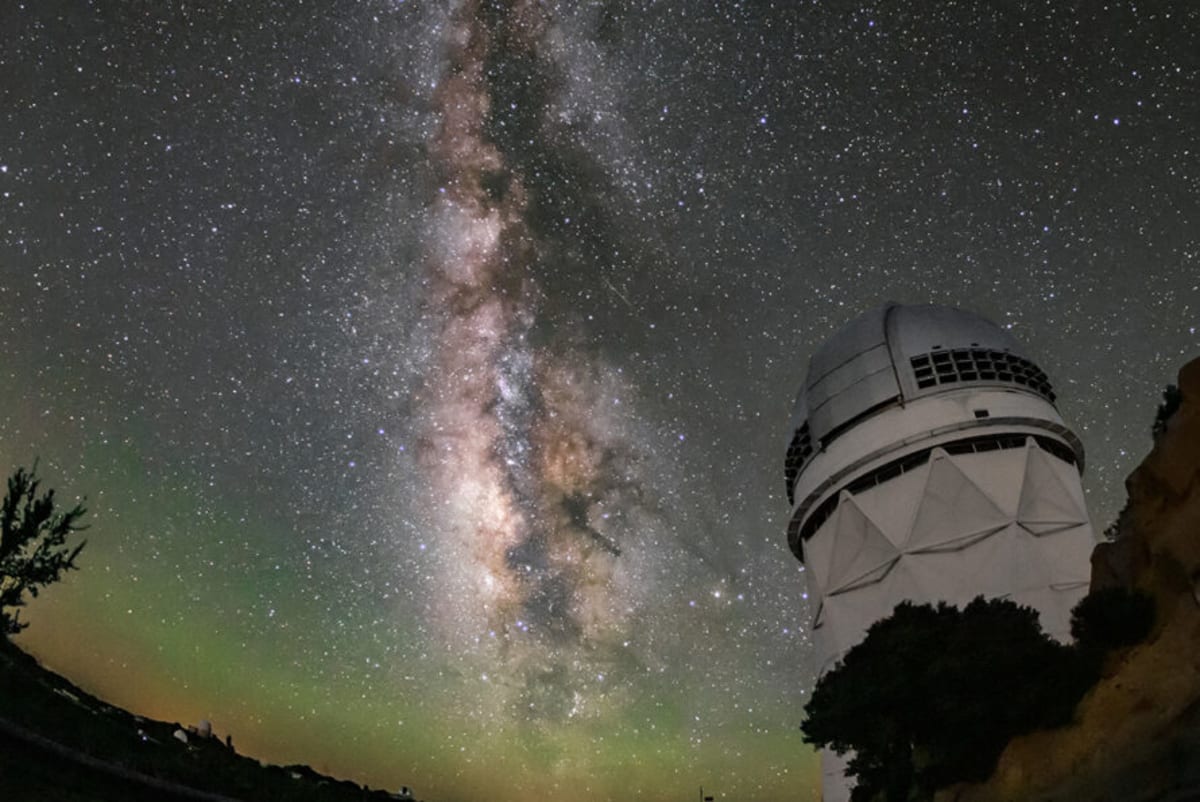
More than 900 researchers from 70 institutions worldwide collaborated on this project, including 300 PhD students gaining hands-on experience with cutting-edge cosmology. The Department of Energy's Lawrence Berkeley National Laboratory managed the international effort, mounting the instrument on a telescope at Kitt Peak National Observatory in Arizona.
The journey wasn't easy. The COVID-19 pandemic interrupted final testing in 2020. In 2022, the Contreras Fire swept across Kitt Peak, threatening the telescope before firefighters and staff successfully protected it. Monsoons and mudslides slowed recovery efforts afterward.
Despite these setbacks, DESI has now measured cosmological data for six times as many galaxies and quasars as all previous surveys combined. The instrument performed so reliably over five years that scientists grew to know its quirks and personality, allowing them to maximize its efficiency night after night.
Why This Inspires
This achievement shows what happens when hundreds of scientists across the globe work toward a shared goal. The collaboration immediately began processing the complete dataset, with final dark energy results expected in 2027.
Meanwhile, DESI continues observing, extending its map to cover even more of the sky and deepen our understanding of both dark energy and dark matter. Every night, those 5,000 fiber-optic eyes lock onto distant light that's been traveling toward Earth for billions of years, bringing us closer to answering one of physics' biggest mysteries.
The telescope that exceeded every expectation is still reaching for the stars, reminding us that sometimes our best work happens when we keep exploring beyond the original finish line.
More Images

Based on reporting by Google News - Science
This story was written by BrightWire based on verified news reports.
Spread the positivity!
Share this good news with someone who needs it