10,000 Elephant Seals Return to California After Near-Extinction
Once hunted to fewer than 100 seals in 1892, elephant seals have bounced back to 250,000 strong and now crowd California beaches each winter. At Año Nuevo State Park, visitors watch 10,000 of these massive animals fight, mate, and nurse 75-pound pups in one of nature's greatest comeback stories.
Every January, something remarkable happens on a California beach that reminds us how wildlife can recover when we choose to protect it.
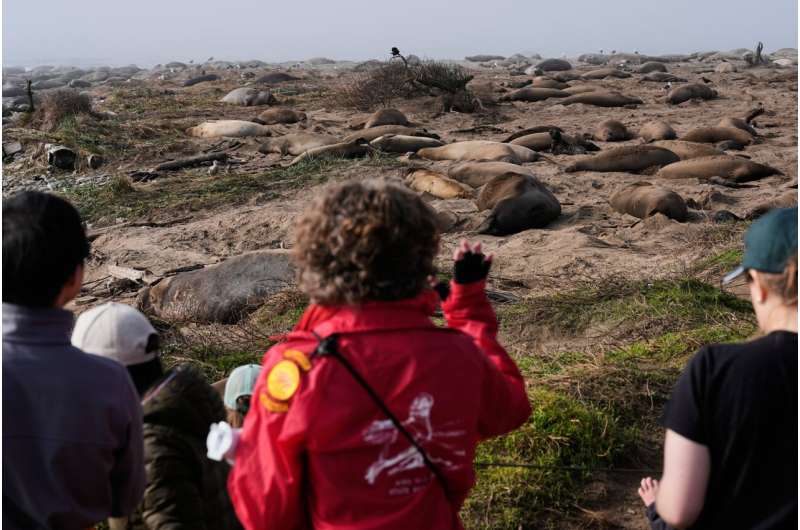
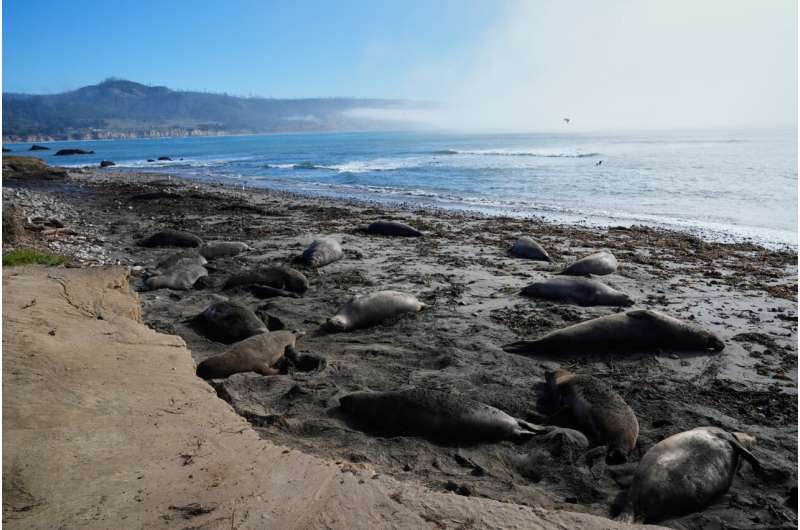
About 10,000 elephant seals now return each winter to Año Nuevo State Park near Pescadero, creating a spectacle that draws crowds of amazed visitors. These aren't just any seals—they're the largest on Earth, with bulls reaching 16 feet long and weighing up to 2.5 tons.
The story behind their arrival makes it even more special. In the 1800s, hunters nearly wiped out elephant seals entirely, killing them for blubber to make oil. By 1892, fewer than 100 remained on a tiny island off Baja California.
Then governments decided to act. Mexico extended legal protection in 1922, and the United States quickly followed. That decision changed everything.
Today, an estimated 250,000 elephant seals thrive in the Pacific Ocean. The population at Año Nuevo State Park alone has grown to become one of the largest mainland breeding sites on the West Coast.
From mid-December through March, the beaches transform into a dramatic theater of nature. Bull seals battle for breeding rights while mothers nurse sleek pups on the sand dunes. The air fills with barks and bellows as the animals go about their ancient routines.
"It's awe-inspiring," said Carrie Kahn, a visitor from Berkeley. "You just wonder, how do they move from point A to point B? They look like they'd be so slow. But they're quick and big, and they're honking and making noises."
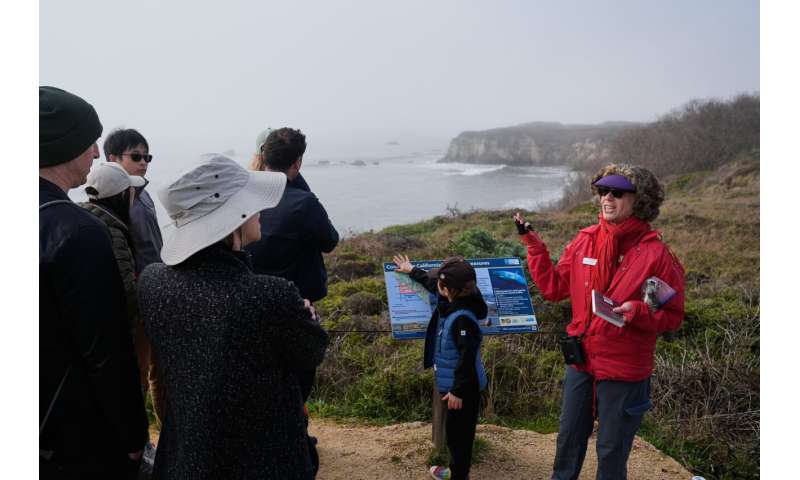
Park docent Laura Stern leads tours during what she calls "pupping season." She explains that most elephant seals return to the same beach where they were born, creating generations of families in the same spot.
The Ripple Effect
The elephant seal recovery shows what's possible when humans commit to conservation. From the brink of extinction to a thriving population of a quarter million—all in about 130 years.
Scientists note there's still a genetic bottleneck from the tiny founding population. But so far, the seals are doing remarkably well with no major problems emerging.
The success has created economic benefits too. Visitors book guided walks months in advance to witness the spectacle. "You're not at a museum. You're not in an aquarium," Stern said. "You are right here watching them live doing what they do."
Between April and November, no tours are needed to visit the seals. During pupping season, visitors must reserve spots on docent-guided walks to protect both people and animals while allowing everyone to experience the wonder.
The elephant seals of Año Nuevo prove that even when a species teeters on the edge of disappearance, the right protections at the right time can bring them roaring back.
More Images

Based on reporting by Phys.org
This story was written by BrightWire based on verified news reports.
Spread the positivity!
Share this good news with someone who needs it