1,200 Campus Robots Now Delivering Groceries in Cities
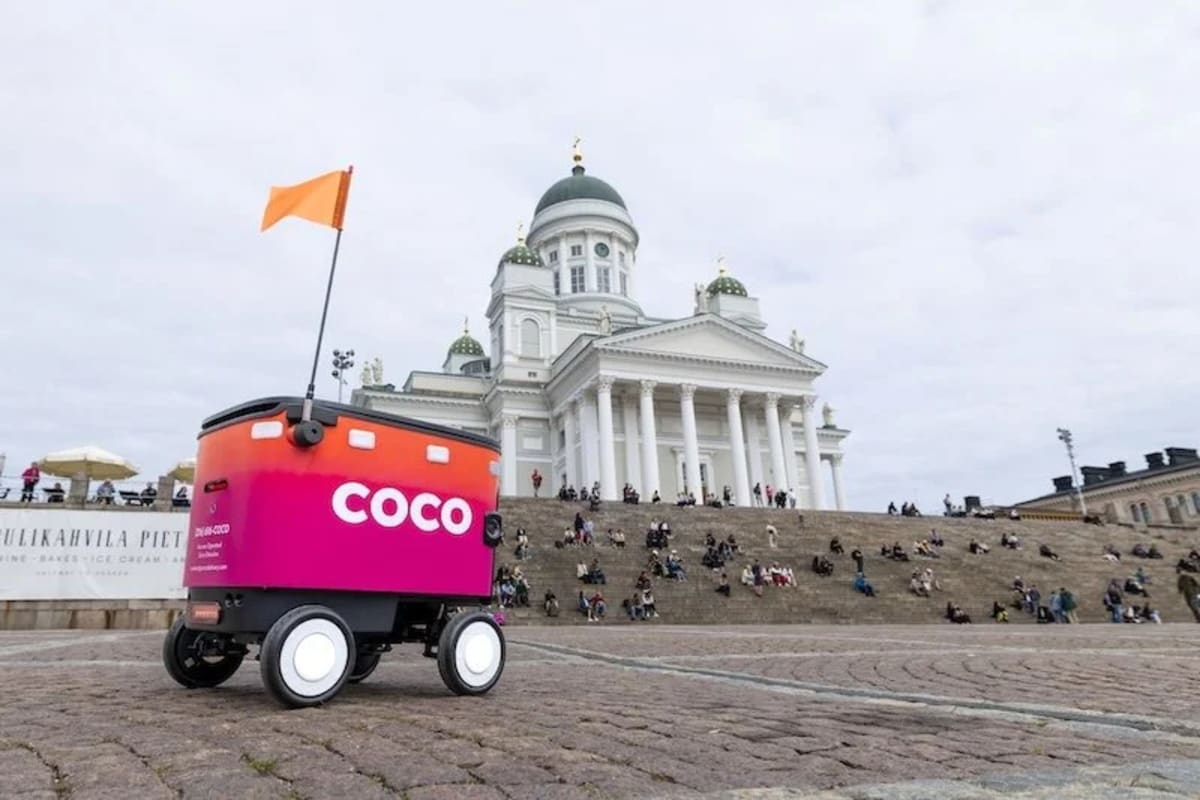
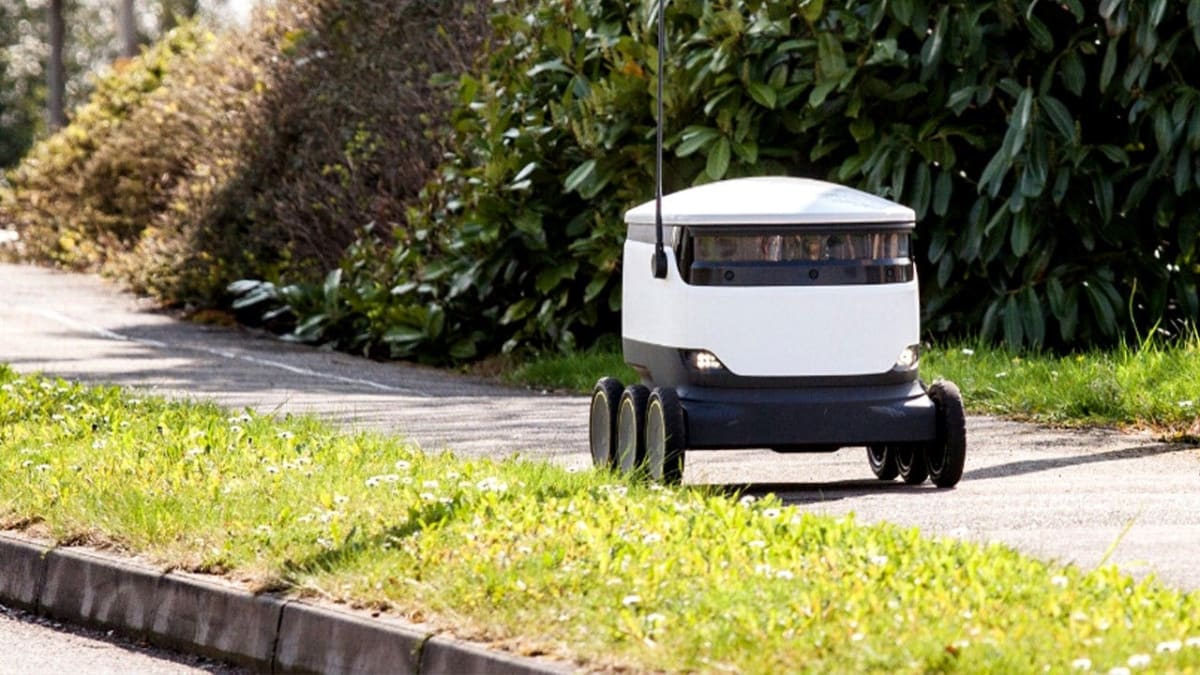
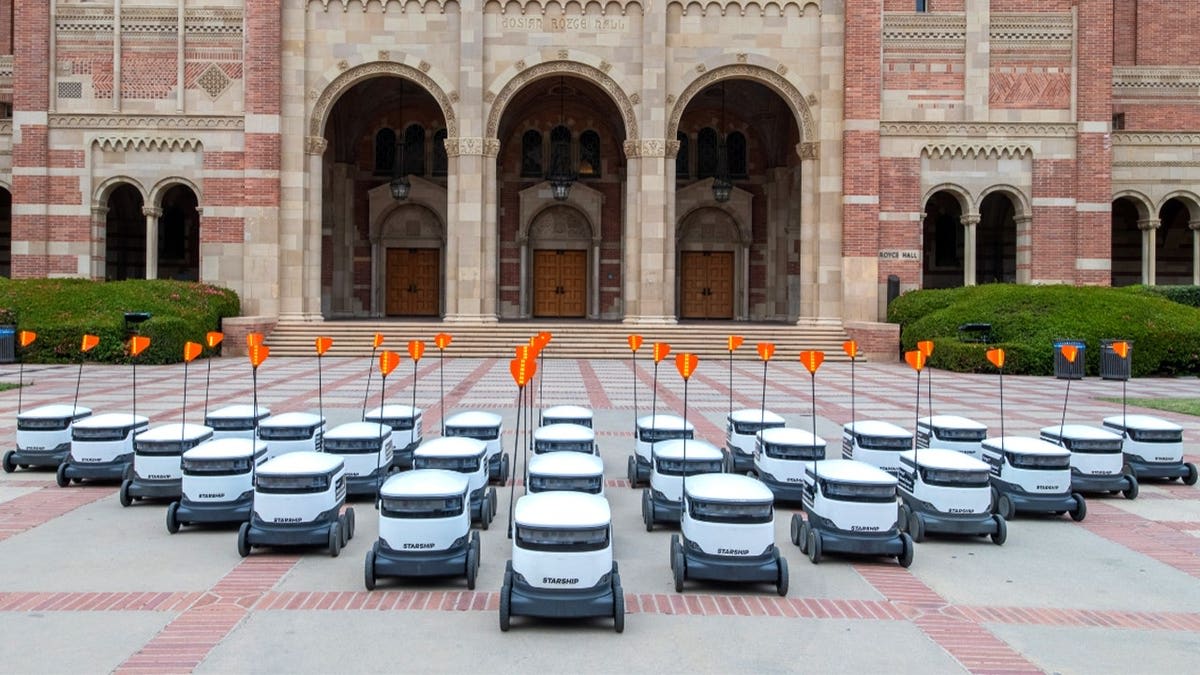
Those friendly white delivery robots that once brought late-night snacks to college dorms are getting a promotion. Starship Technologies is moving more than 1,200 robots from U.S. campuses to deliver groceries in cities across America and Europe.
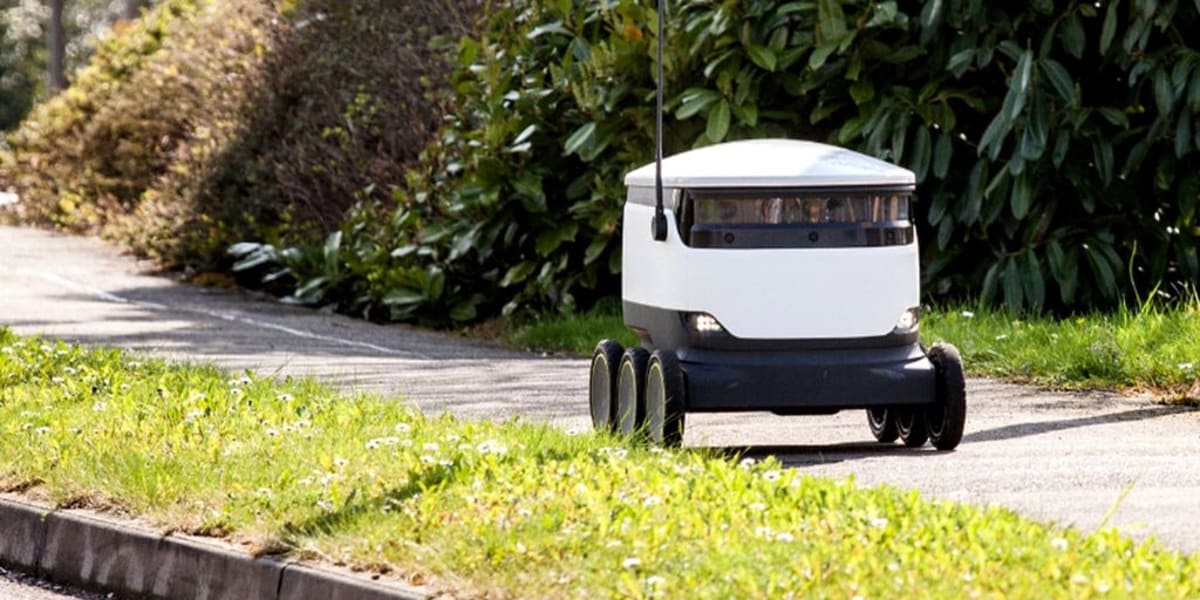
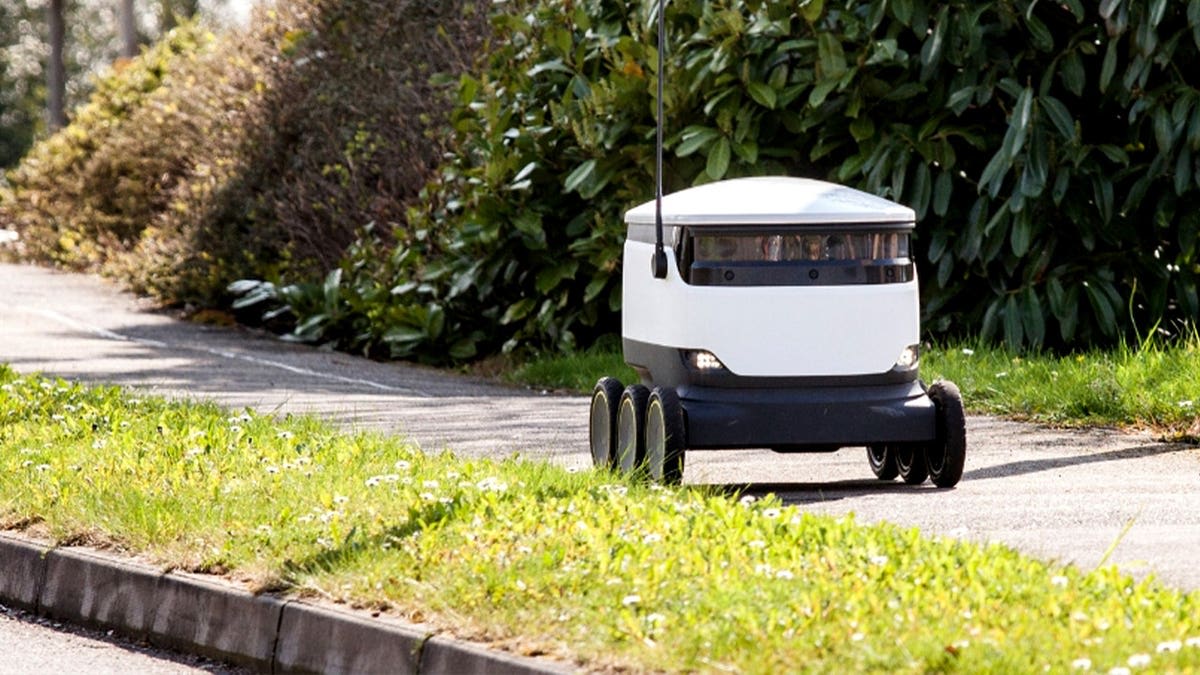
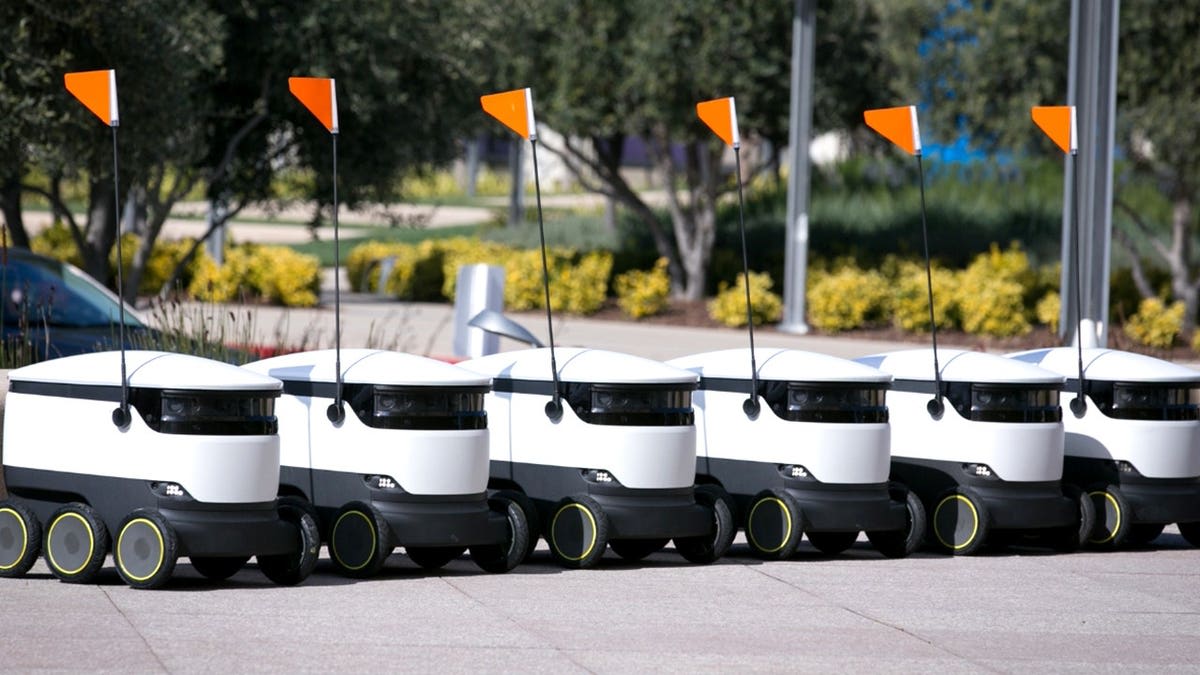
Remember those adorable cooler-sized robots that patiently waited at campus crosswalks? They're heading to your neighborhood.
Starship Technologies just announced it's pulling its delivery robots from U.S. college campuses and giving them a new mission. The company is redeploying more than 1,200 bots to handle grocery and restaurant deliveries in cities across the United States and Europe.
The move reflects where the real demand is growing. Starship says its grocery delivery operations are set to grow tenfold over the next two years, driven by major retailers who want cheaper ways to get food to customers.
In Finland, Starship robots already complete one in five grocery deliveries. That success story is what the company wants to replicate everywhere else.
College campuses were the perfect training ground for these autonomous helpers. Students ordered food at odd hours, lived without full kitchens, and embraced tech that delivered without small talk.
George Mason University became the first U.S. campus to welcome Starship robots in 2019. The timing couldn't have been better because when the pandemic hit, contactless delivery suddenly felt essential rather than just convenient.
The campus farewell won't happen overnight. Starship has worked with universities to keep service running through the 2026-2027 school year, giving students time to adjust and schools time to plan alternatives.
The Ripple Effect
This shift could reshape how cities handle last-mile delivery. Starship CEO Ahti Heinla says the robots can deliver groceries for $3 to $4 less per trip than traditional courier services.
That cost savings matters to grocery stores trying to offer affordable delivery and to cities trying to reduce delivery truck traffic. Fewer cars making short trips means less congestion and cleaner air in neighborhoods.
The company has already completed more than 10 million deliveries, proving the technology works. Now it's banking on the $650 billion global food delivery market being ready for higher levels of automation.
City sidewalks will test these robots differently than campus paths did. They'll need to navigate around strollers, wheelchairs, and people catching buses without becoming obstacles themselves.
Some cities like Chicago have already raised concerns about sidewalk robots blocking accessibility or creating safety issues. Starship will need to prove these bots can be helpful neighbors, not nuisances.
If they succeed, your next grocery order might arrive on six wheels instead of four, delivered by a robot that learned its manners on a college campus.
More Images
Based on reporting by Fox News Tech
This story was written by BrightWire based on verified news reports.
Spread the positivity!
Share this good news with someone who needs it