13 Teens Sued Hawaii and Won a Voice in Climate Action
Thirteen young Hawaiians sued their state over climate inaction and won more than a court case. They earned a permanent seat at the table where Hawaii's transportation future is being decided.
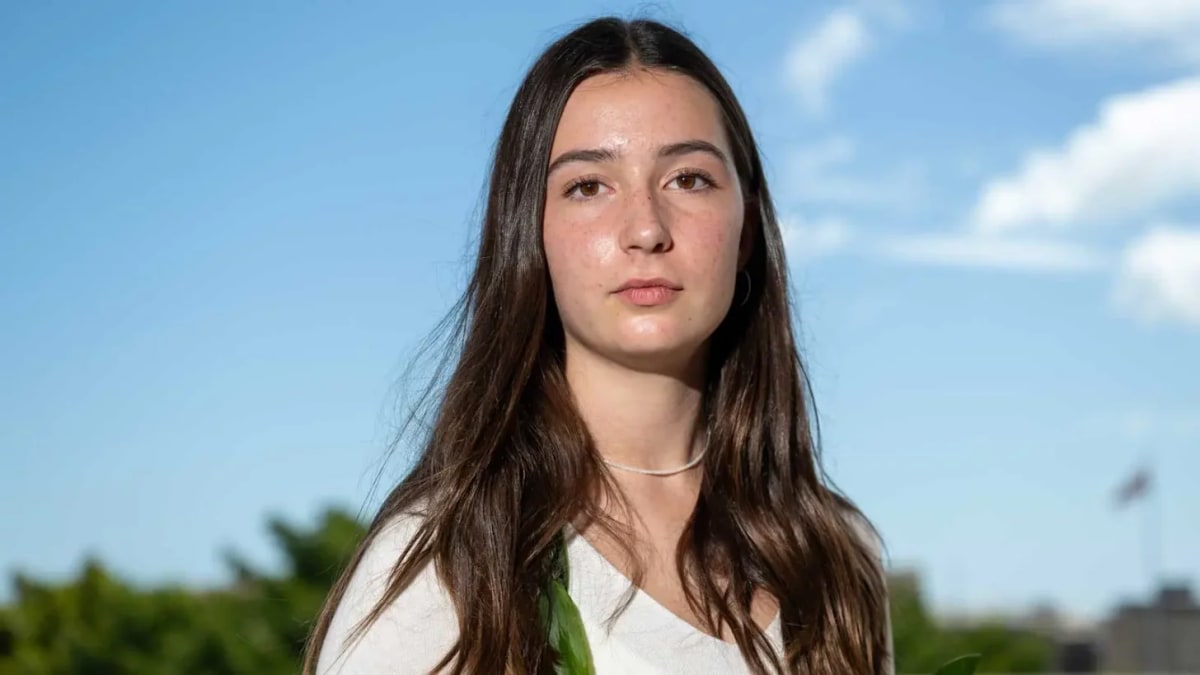
When Charlotte Madin was 12 years old, watching ash rain from the sky during a wildfire on Hawaii's Big Island, she said yes to a chance most kids never get: the opportunity to sue her state government over climate change.
She joined 12 other young Hawaiians in Navahine v. Hawaii Department of Transportation, a lawsuit that claimed the state wasn't living up to its constitutional promise to protect their right to a clean and healthy environment. The transportation sector was Hawaii's biggest source of greenhouse gas emissions, and the department kept planning for more cars instead of cleaner alternatives.
By age 13, Madin sat through a grueling three to four hour deposition with state lawyers. "I remember being really, really nervous for the days leading up to the deposition," she recalls. But she took deep breaths, told the truth, and made it through.
In 2024, before the case went to trial, Hawaii settled. The terms weren't just about money or admissions. They were about real change.
The Ripple Effect
The settlement requires Hawaii's Department of Transportation to achieve zero emissions from ground, marine, and inter-island air transportation by 2045. The department must create detailed plans with benchmarks showing exactly how they'll get there.
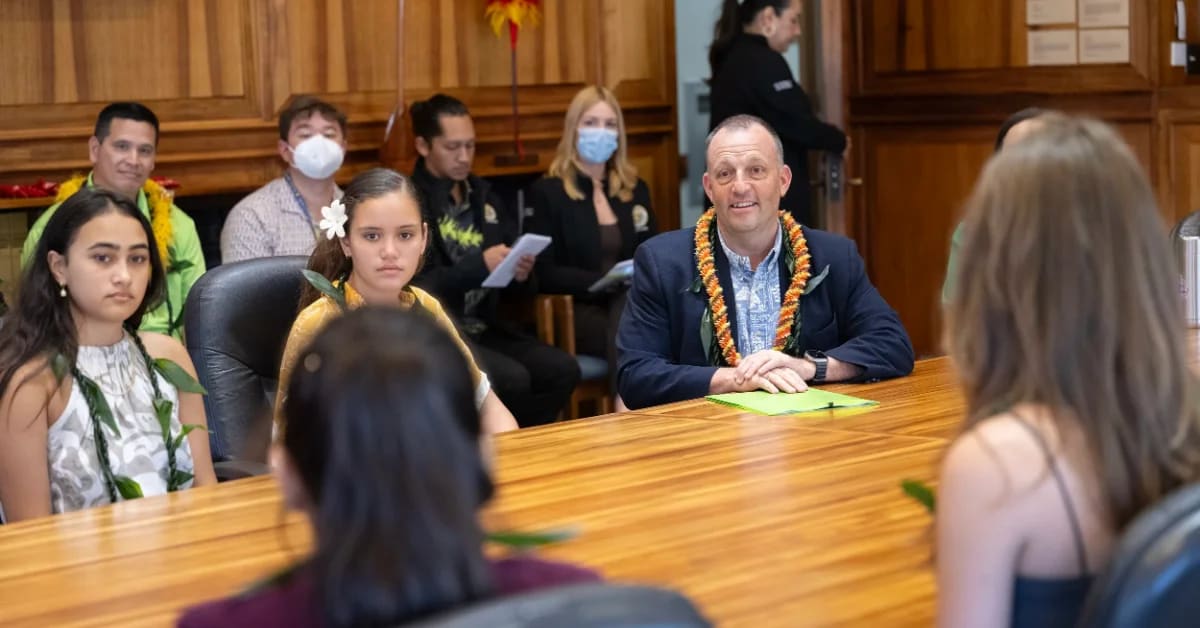
But the most remarkable outcome might be the Hawaii Youth Transportation Council. Young people now meet regularly with transportation officials to discuss public transit, bike lanes, and strategies to move away from fossil fuels. The department is legally required to listen and incorporate their priorities.
Charlotte and her fellow plaintiffs didn't just win a lawsuit. They won ongoing influence over the decisions that will shape their future.
For kids who grew up watching coral reefs fade and heat waves intensify, that's not just a legal victory. It's proof that young voices can force systems to change, even when those systems seem too big to budge.
The council represents something larger than policy: it's a recognition that the people who will inherit our climate choices deserve input on those choices now, while there's still time to make them count.
More Images

Based on reporting by Good Good Good
This story was written by BrightWire based on verified news reports.
Spread the positivity!
Share this good news with someone who needs it