13 Years of Radar Reveals Europa's Icy Secrets
Scientists spent over a decade bouncing radio waves off Jupiter's moon Europa and discovered its ice behaves unlike anything on rocky planets. The findings will help upcoming missions explore the moon's hidden ocean.
Scientists just unlocked new secrets about one of our solar system's most exciting moons, and the discovery brings us closer to exploring an alien ocean.
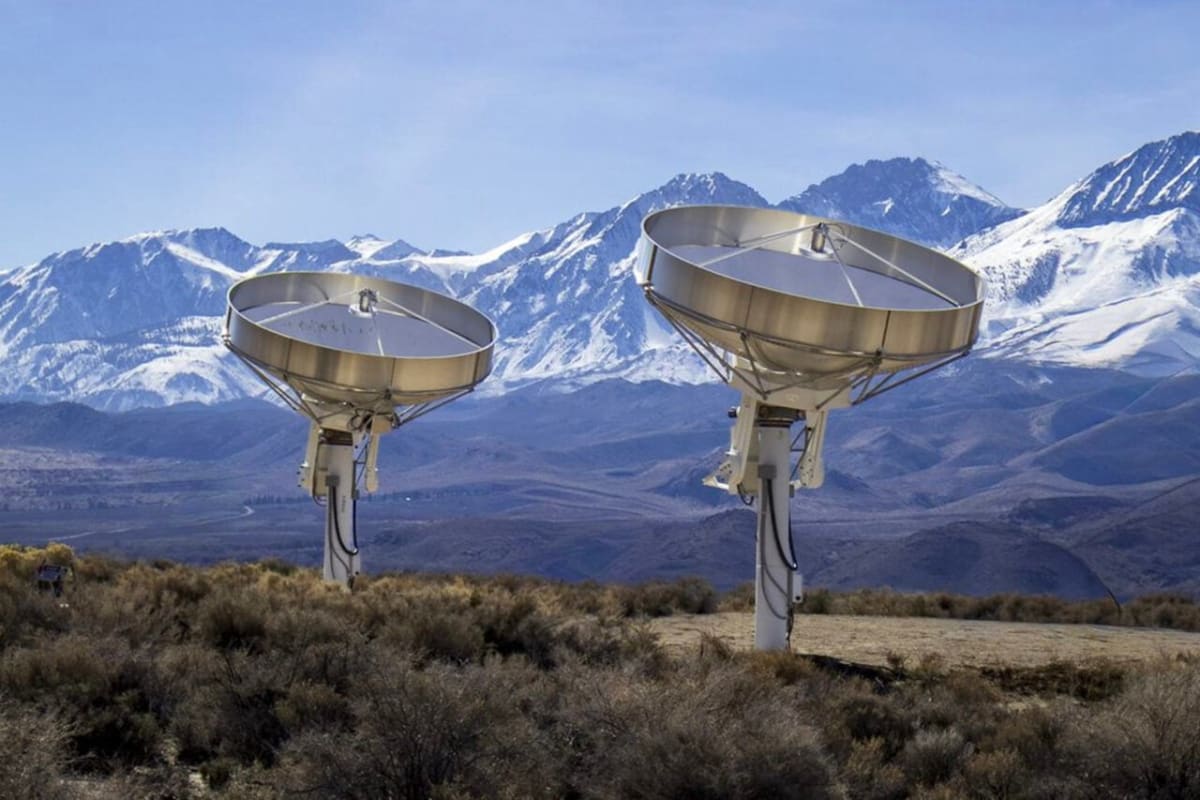
For 13 years, researchers aimed radio telescopes at Europa, one of Jupiter's 101 moons, bouncing radar signals off its icy surface. What they found surprised them: Europa's ice scatters radio waves in a completely unique way that's nothing like rocky planets or other worlds we've studied.
Tunhui Xie, a PhD student at UCLA, presented the findings at the American Astronomical Society's 248th meeting. The data covered much more of Europa's rotation than earlier studies from the 1980s and 90s, giving scientists their best look yet at this distant world.
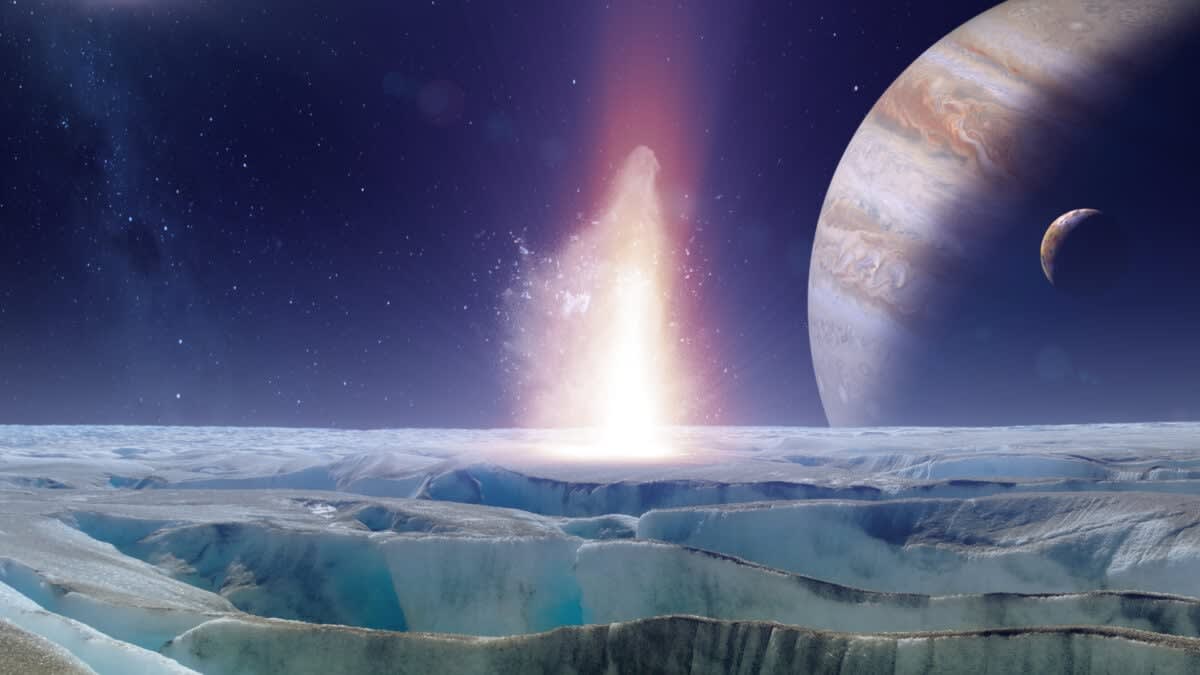
Here's why Europa captivates scientists: beneath that icy shell likely sits a vast ocean of liquid water. Along with Jupiter's other moons Ganymede and Callisto, Europa represents one of the best chances to find life beyond Earth. That's why NASA's Europa Clipper and the European Space Agency's Juice mission are both heading there right now.
The challenge has always been seeing below the surface. Traditional telescopes can only show us surface features, but radio waves can actually penetrate ice and reveal what's hidden underneath.
The team discovered Europa's radar albedo (how bright it appears to radar) was much higher than rocky worlds. The scattering pattern matched exactly what you'd expect from clean, porous ice with multiple layers.
Even more exciting: Europa's brightness stayed consistent no matter what angle the radar hit it from. This consistency allowed scientists to calculate exactly how transparent Europa's ice is and how deep radio telescopes can see beneath the surface.
Why This Inspires
This discovery means something bigger than just understanding one moon. The research team has essentially handed future missions a roadmap for exploring Europa more effectively.
When Europa Clipper arrives in the Jupiter system, scientists will know exactly how to use their instruments to peer beneath the ice. They'll understand what signals to look for and how deep they can see into that mysterious ocean below.
Every year of patient observation brought us closer to answering one of humanity's biggest questions: are we alone? These 13 years of radar data represent thousands of hours of scientists working together, building knowledge piece by piece.
The work shows how persistence pays off in space exploration. Sometimes the most exciting discoveries don't come from dramatic missions or flashy announcements, but from steady, careful observation over many years.
As those two spacecraft cruise toward Jupiter right now, they're carrying humanity's best chance yet to explore an alien ocean, guided by scientists who spent over a decade listening to whispers from a distant moon.
More Images



Based on reporting by Google News - Science
This story was written by BrightWire based on verified news reports.
Spread the positivity!
Share this good news with someone who needs it