200,000 Trees to Save Australia's Carnaby's Cockatoos
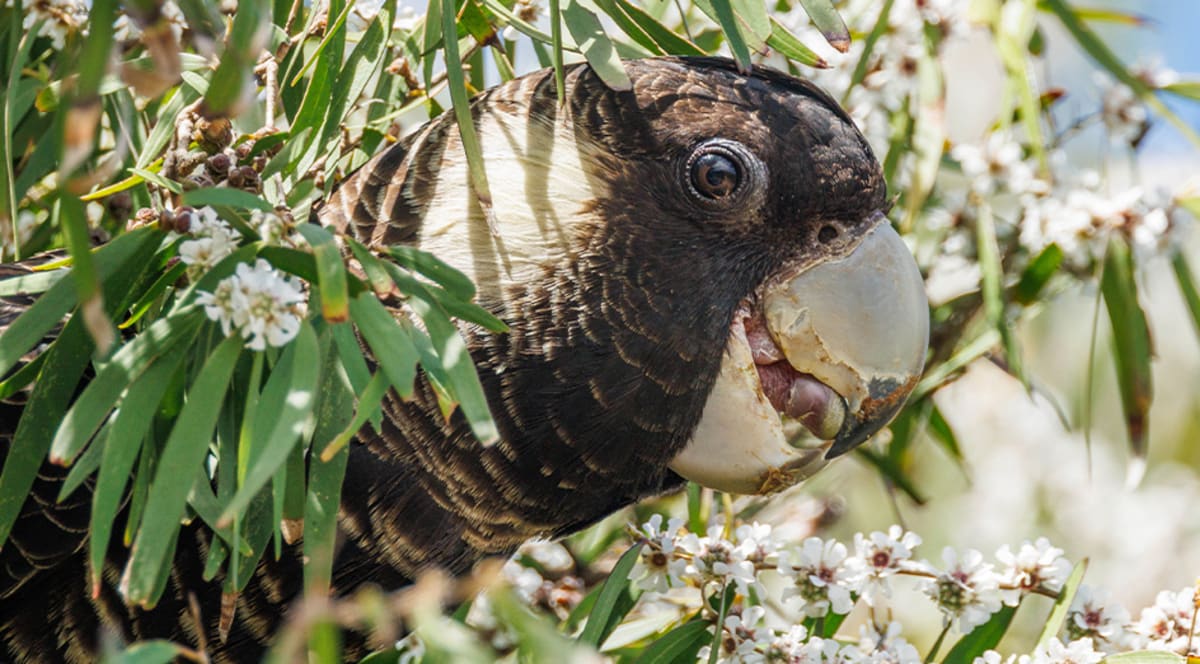
A $3.3 million project will plant more than 200,000 trees along a 10km corridor in Western Australia to rescue the endangered Carnaby's Cockatoo from extinction. The ambitious community effort combines habitat restoration with Indigenous training and cutting-edge AI technology.
More than half of Western Australia's Carnaby's Cockatoos have vanished in just 45 years, but a groundbreaking project is racing to bring them back from the brink.
The Corridors for Carnaby's project launches this week with an ambitious goal: plant 200,000 trees along a 10km stretch south of Mandurah to create connected corridors of food, water and nesting sites for the iconic black cockatoos. Amazon Australia is backing the three-year effort with $3.3 million through its Right Now Climate Fund.
Led by renowned botanist Professor Kingsley Dixon from the University of Western Australia, the project targets the main threat facing these birds: habitat loss from farming and urban sprawl. Clearing their woodland homes destroyed both their food sources and the tree hollows they need for nesting.
The solution is surprisingly simple but massive in scale. Crews have already started planting Banksia seedlings whose nutritious seeds will feed the cockatoos across 1,000 hectares of restored habitat.
Fifty artificial nests and 20 solar-powered water stations will dot the corridor to address the immediate survival needs. But the project goes further by inviting everyday Australians to help.
Around 2,000 fast-growing nut trees will be distributed to Perth homeowners to plant in their gardens. These urban oases will sustain the cockatoos while the native species in the restoration corridors grow to maturity.
"We estimate that if just one per cent of home gardeners along the corridor plant a tree in support of the project, the tide could be turned on famine for the Carnaby's," Professor Dixon said. Twelve Perth schools will join the effort over three years, planting more than 2,000 trees to create pocket forests while sparking student interest in conservation.
The Ripple Effect
The project reaches beyond bird rescue into Indigenous education and community science. Through the Winjan Aboriginal Corporation's Rangers Program, the Amazon funding will train Indigenous seed collectors and restoration practitioners in an 18-month course combining traditional ecological knowledge with modern restoration science.
Amazon Web Services is developing AI technology to identify and track Carnaby's flocks, plus an app that lets Western Australians participate in population censuses from their backyards. The community engagement transforms bird watching into citizen science.
"This is a turning point. If we can't get the Carnaby's right, then we won't get much else right," Professor Dixon said. When Amazon built its Perth Fulfillment Centre, they chose the Carnaby's as their local species to champion, painting a giant black cockatoo mural in their foyer.
Now that symbolic gesture has become a real commitment to stop extinction in its tracks.
Based on reporting by Google: species saved endangered
This story was written by BrightWire based on verified news reports.
Spread the positivity!
Share this good news with someone who needs it