2,400-Year-Old Tree Hosts Underground 'Web of Life
Scientists in Chile discovered that one ancient alerce tree supports more than twice the fungal diversity of younger trees, creating an underground network that sustains entire forest ecosystems. This groundbreaking research reveals how millennia-old trees act as irreplaceable biodiversity hubs.
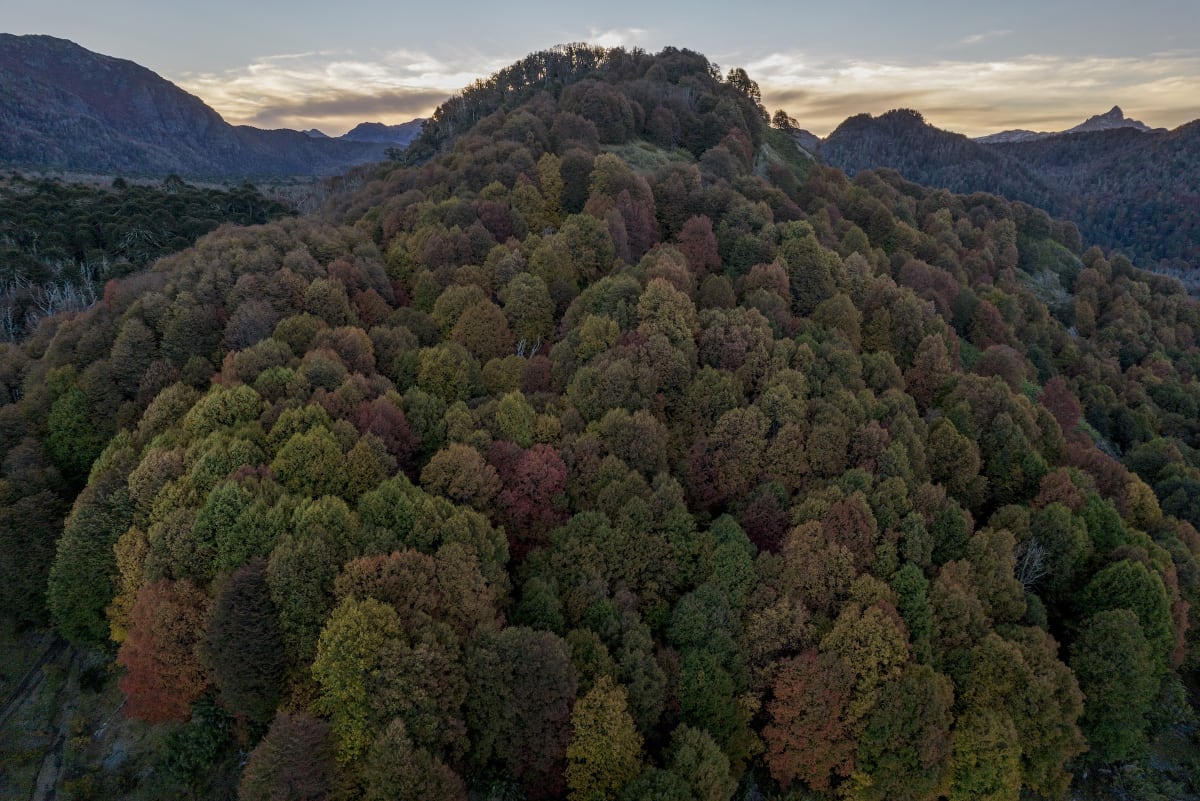
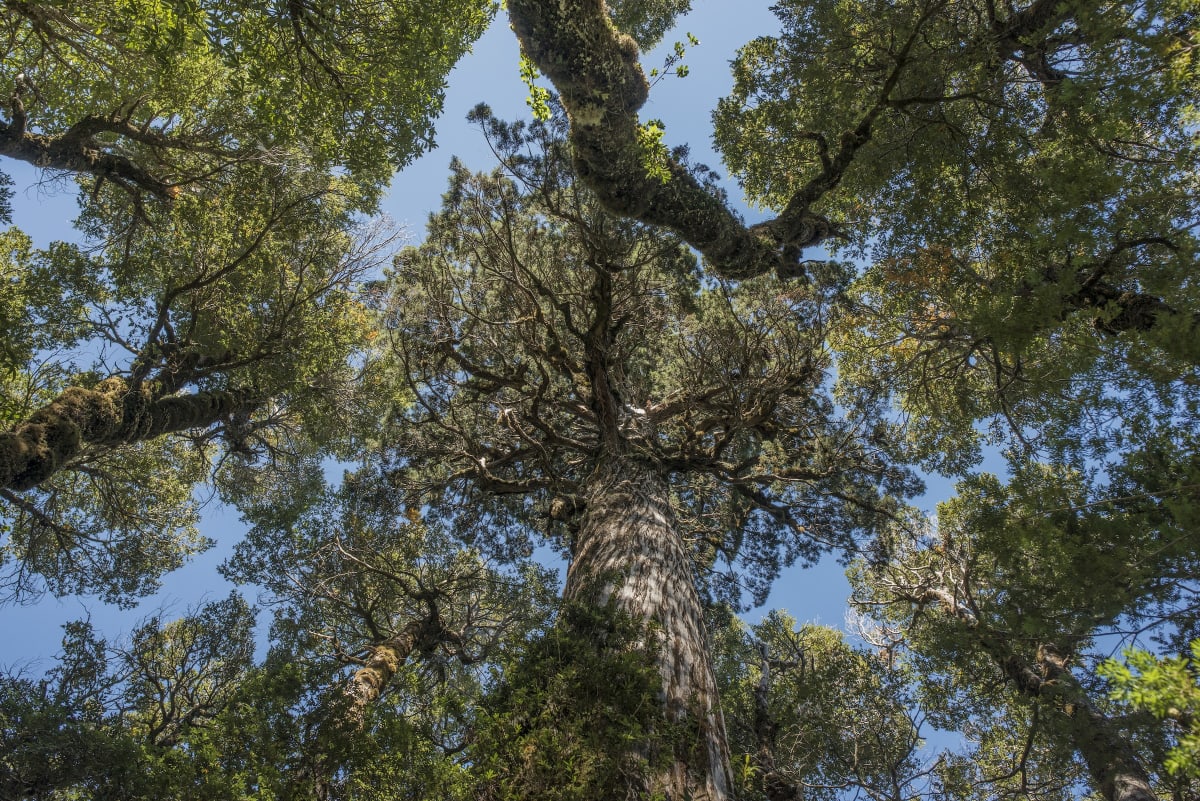
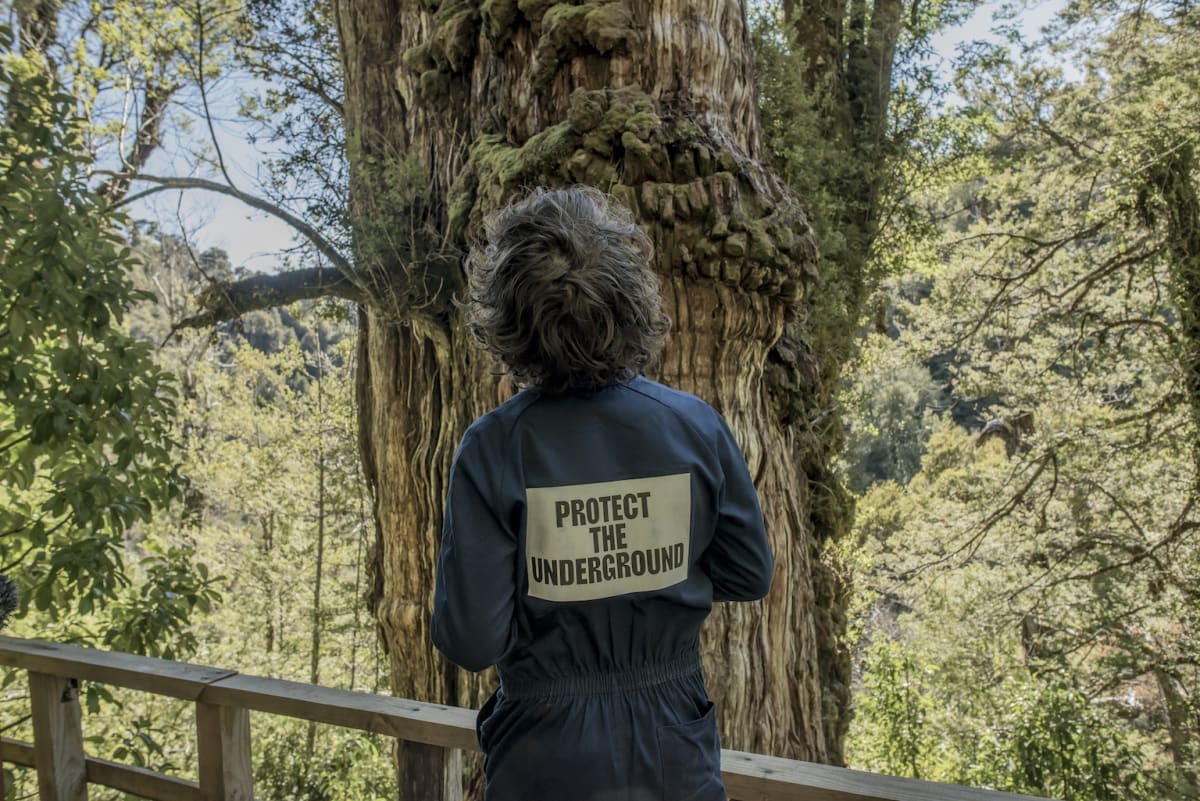
Deep in Chile's Alerce Costero National Park, a 2,400-year-old tree is quietly performing miracles beneath the soil. Scientists have discovered that this ancient alerce, known as "grandpa alerce," hosts an underground network of fungi so diverse it supports life across the entire forest floor.
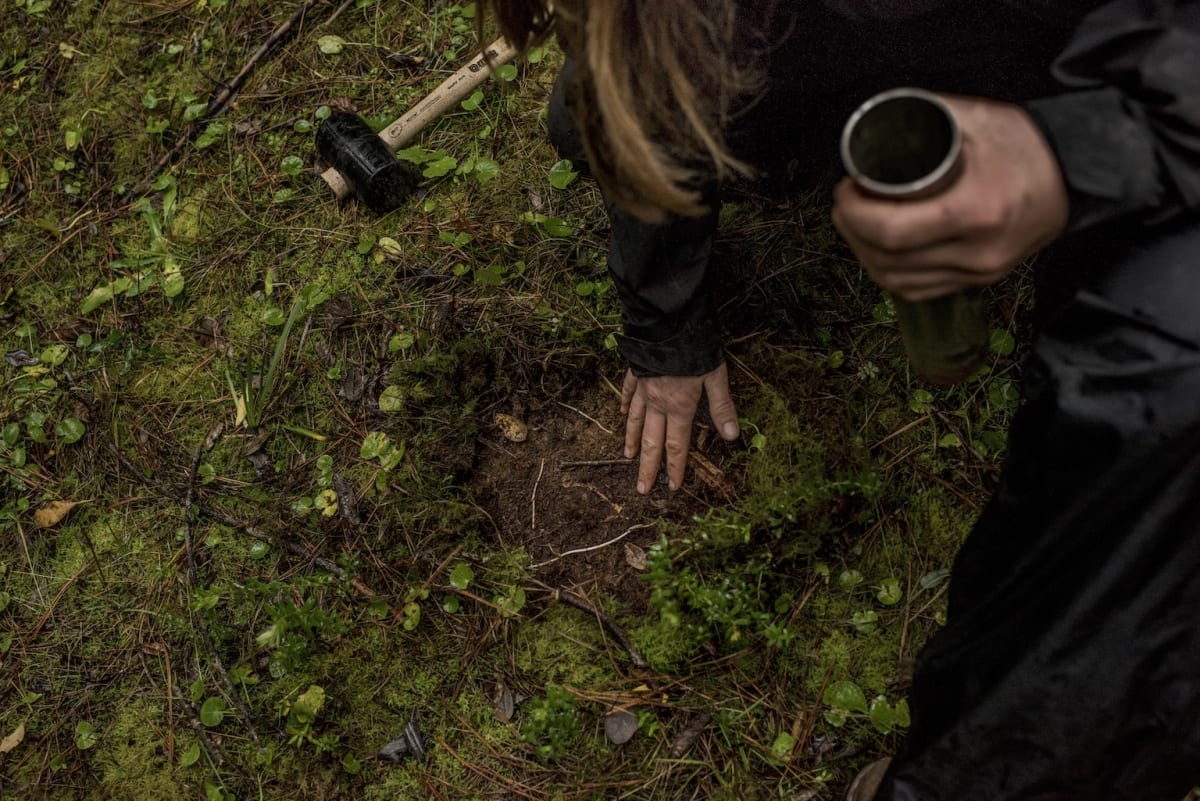
Researchers collected soil samples from 31 alerce trees of different ages and found something remarkable. The ancient grandpa tree harbored 361 unique fungal DNA sequences not found anywhere else in the forest, including hundreds of species still unknown to science.
These fungi form partnerships with tree roots through networks called arbuscular mycorrhizae. They act like underground highways, trading water and nutrients to plants in exchange for carbon and sugars. More than 80% of all land plants depend on these fungal relationships to survive.
The discovery came from the first study of its kind in the Southern Hemisphere. Scientists from Australia, Chile, and the nonprofit SPUN used DNA barcoding to identify the microscopic organisms living beneath the towering conifers.
Lead researcher Camille Truong, a mycologist with the Royal Botanic Gardens Victoria, compares the ancient tree to an umbrella. "All the diversity you see above in the tree branches also happens belowground," she explains. The tree's massive root system has accumulated thousands of fungal partners over millennia, adapting to droughts, diseases, and countless environmental changes.
The Ripple Effect
The fungal network doesn't just benefit the ancient tree itself. Smaller plants on the forest floor tap into the same underground web, accessing nutrients and water they couldn't reach on their own. As trees age from seedlings to giants, they build increasingly complex fungal communities that serve as insurance policies against climate disasters.
This matters more than ever as wildfires intensify across the region. In January, fires devastated alerce forests in Argentina's Los Alerces National Park. The mycorrhizal networks help trees survive droughts and bounce back from environmental stress, making them crucial for forest resilience.
The research team confirms what they suspected: larger trees mean greater underground diversity. But they've also proven these ancient giants cannot be replaced. A young tree simply doesn't have the centuries of accumulated fungal partnerships that make old trees ecological powerhouses.
Alerce trees, found only in Chile and Argentina, rank among the world's largest and oldest species. Chile protects them legally, but scientists now argue that trees supporting such complex ecosystems deserve even stronger safeguards and limited human interaction.
These living monuments have witnessed more than two millennia of history, and their greatest contribution may be the one we cannot see.
More Images
Based on reporting by Mongabay
This story was written by BrightWire based on verified news reports.
Spread the positivity!
Share this good news with someone who needs it