250 Students Launch Space Experiments on Single NASA Rocket
Nearly 250 students from 38 colleges just launched their own experiments into space aboard a NASA rocket. For the first time, NASA combined two separate student programs into one mission, packing almost 50 experiments onto a single rocket headed 100 miles above Earth.
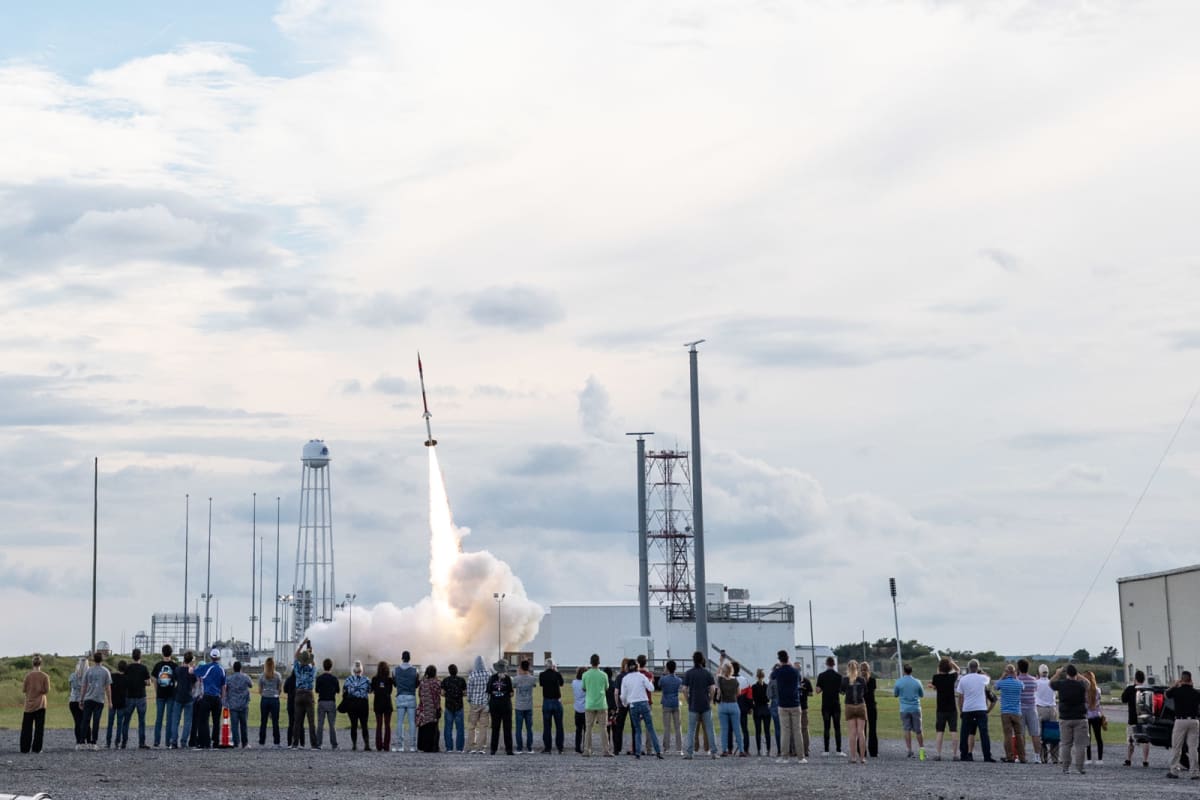
College students across America watched their handbuilt experiments soar into space on June 24, riding a NASA rocket to the edge of our atmosphere and back.
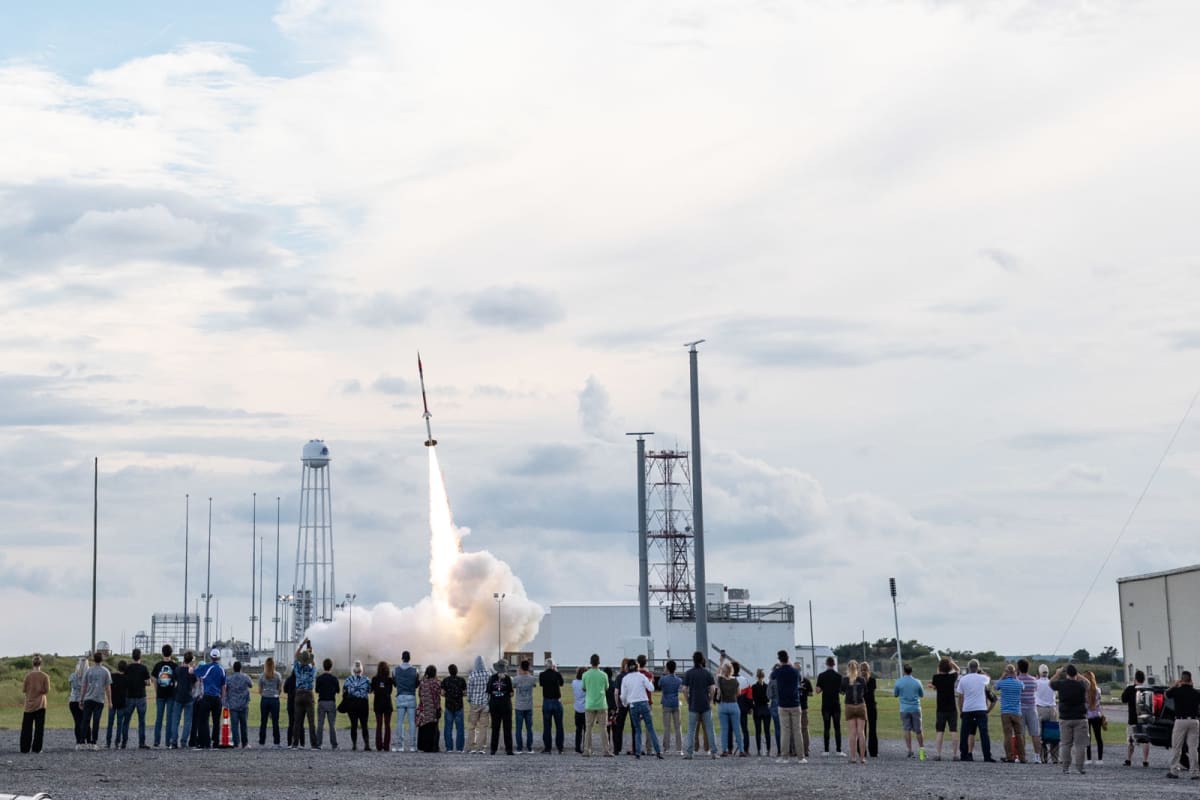
NASA's Wallops Flight Facility in Virginia launched the Terrier-Improved Malemute rocket carrying experiments from 250 students representing 38 community colleges and universities. The rocket reached 100 miles high before parachuting into the Atlantic Ocean for recovery.
This launch made history by combining two NASA student programs, RockOn and RockSatX, into a single mission. The challenge was fitting nearly 50 student experiments into one rocket, requiring creative engineering from the NASA team.
"The Sounding Rocket Program Office team found creative ways to fit nearly 50 experiments into one rocket," said Victoria Stoffel, workforce development lead at NASA Wallops. The effort gave more students than ever the chance to experience real spaceflight.
The RockOn teams built their experiments onsite at Wallops, assembling circuit boards from scratch before watching them launch. The more advanced RockSatX teams spent months designing and building their projects, going through the same rigorous design reviews that professional NASA missions require.
Student experiments ranged from measuring weather and radiation in Earth's upper atmosphere to testing heat shields and space debris tracking technology. Some teams developed robotic servicing tools that could help future NASA missions.
The Ripple Effect
These programs prepare students to enter America's aerospace workforce with hands-on experience most engineers never get in school. Students from schools like Grambling State University in Louisiana, Chief Dull Knife College in Montana, and the University of Puerto Rico worked alongside peers from major research universities.
The programs reach community college students who might not otherwise access space industry opportunities. Participants learn technical skills while experiencing what it's like to work on a real NASA mission from development through launch.
Teams came from 18 states plus Puerto Rico, representing diverse backgrounds and experience levels united by curiosity about space. Every student got to see something they built with their own hands fly beyond Earth's atmosphere.
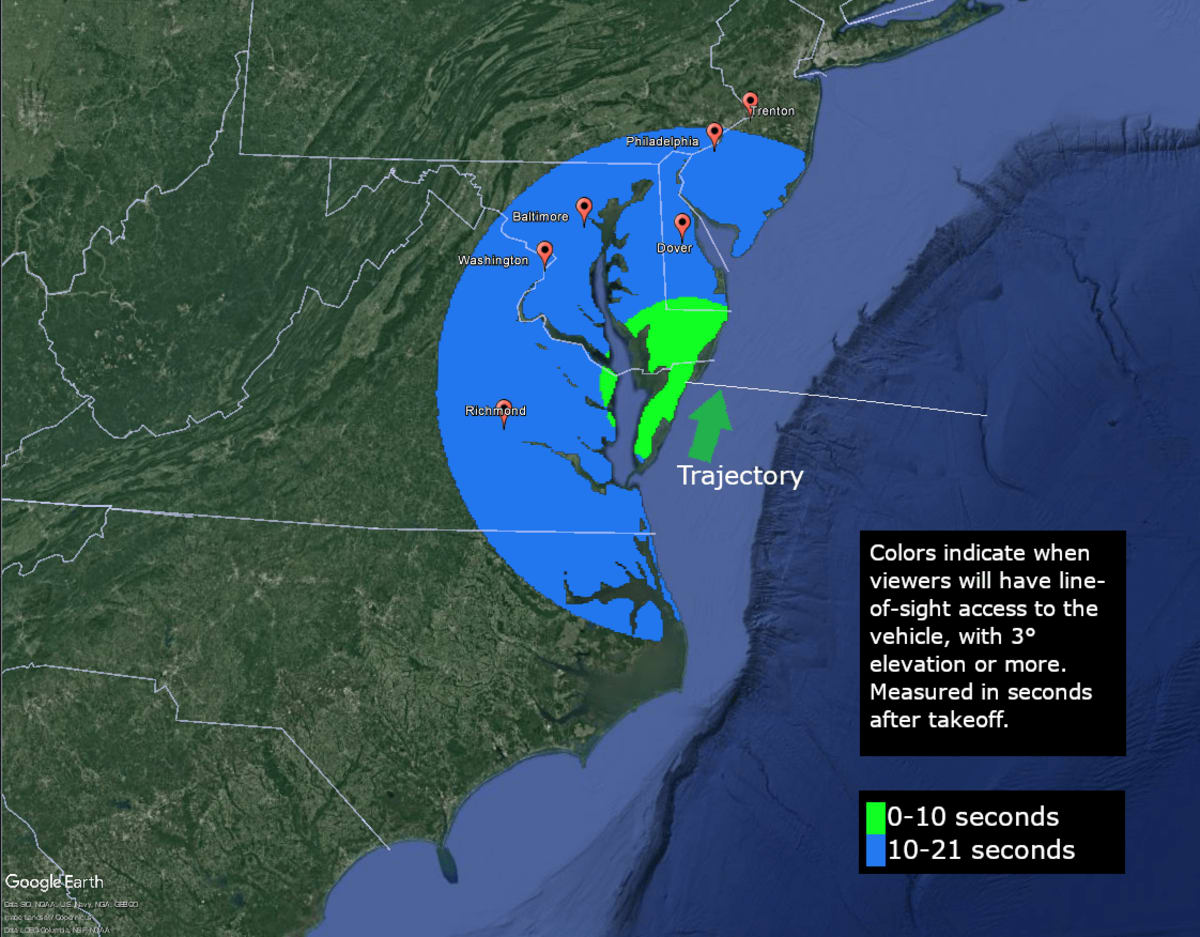
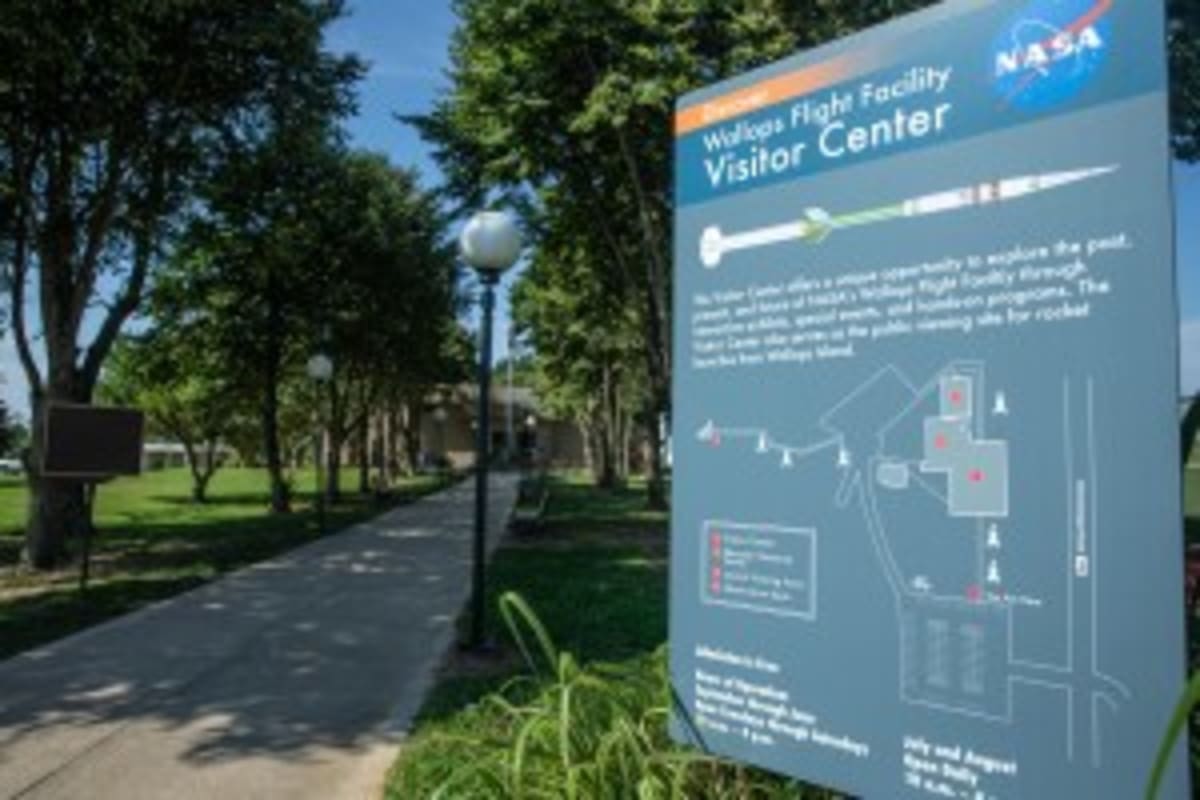
The rocket launched during a 4-hour window starting at 5:30 a.m., visible across the Chesapeake Bay region as it climbed skyward. Families and classmates gathered at the Wallops Visitor Center viewing area to watch the moment months of work literally took flight.
More Images
Based on reporting by NASA
This story was written by BrightWire based on verified news reports.
Spread the positivity!
Share this good news with someone who needs it