30 Dust Devils Spotted Dancing Across Ancient Mars Valley
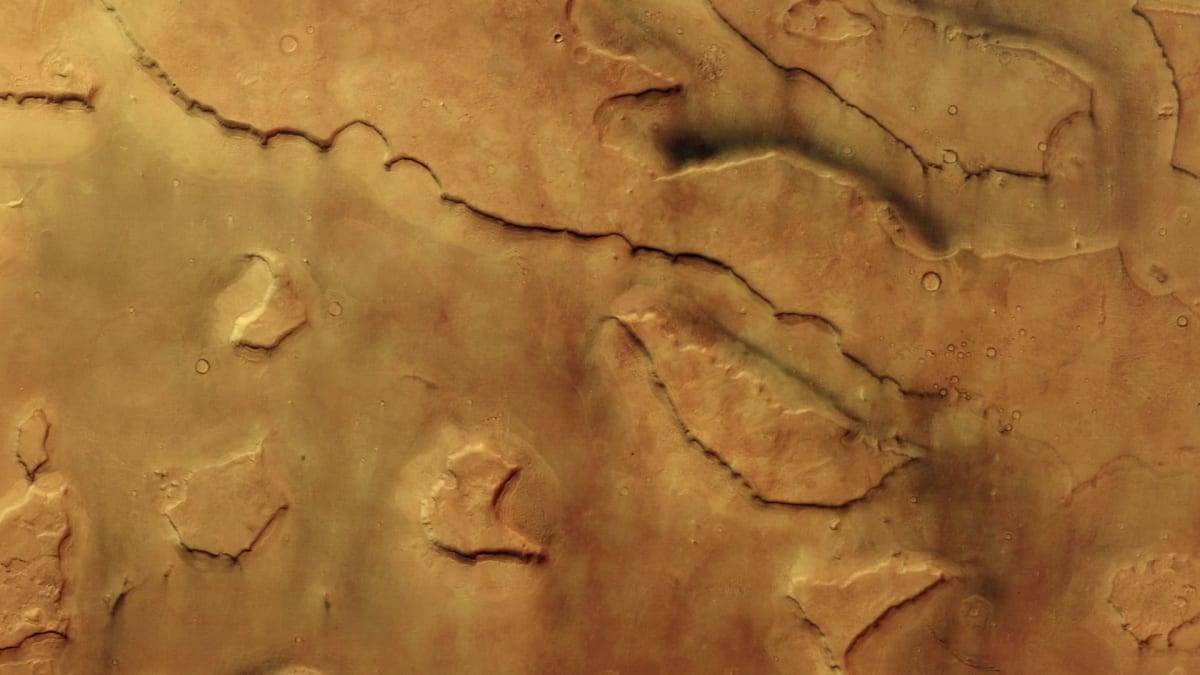
Europe's Mars Express orbiter captured 30 dust devils swirling through Mamers Valles, a massive 600-mile valley system connecting Mars' ancient highlands to its northern lowlands. These spinning tornadoes of dust help scientists map invisible Martian winds and could guide future missions to water ice hidden beneath ancient glaciers. #
Right now, a spacecraft is orbiting Mars and sending us stunning snapshots of alien weather in action.
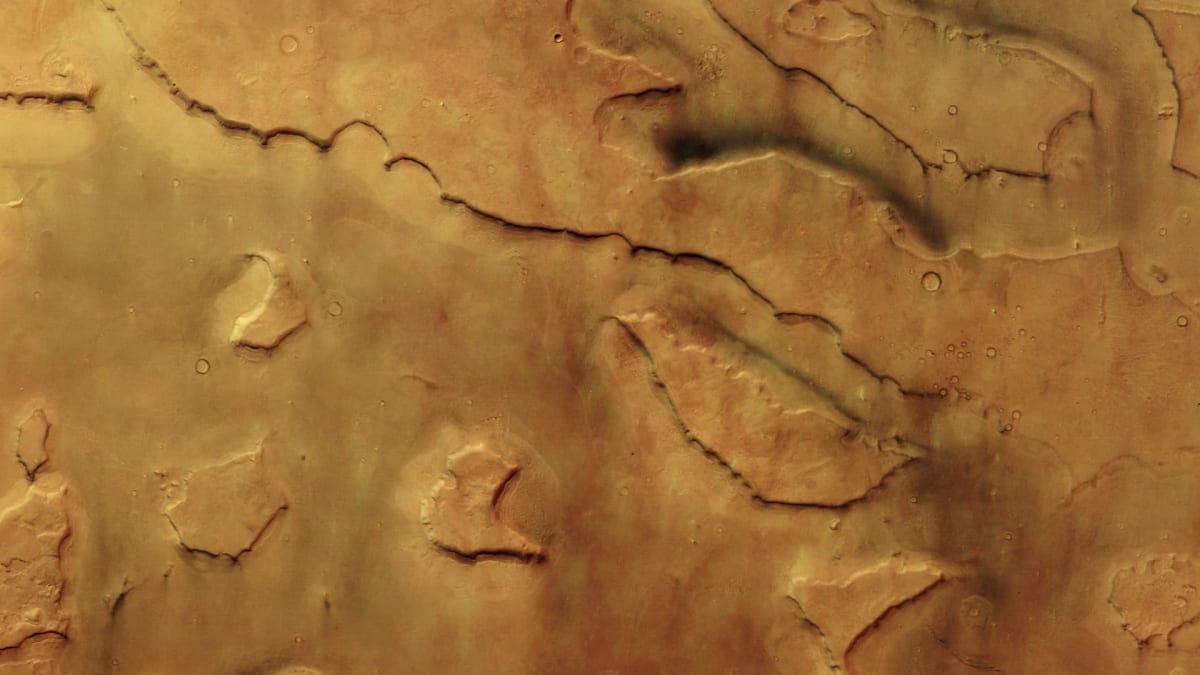
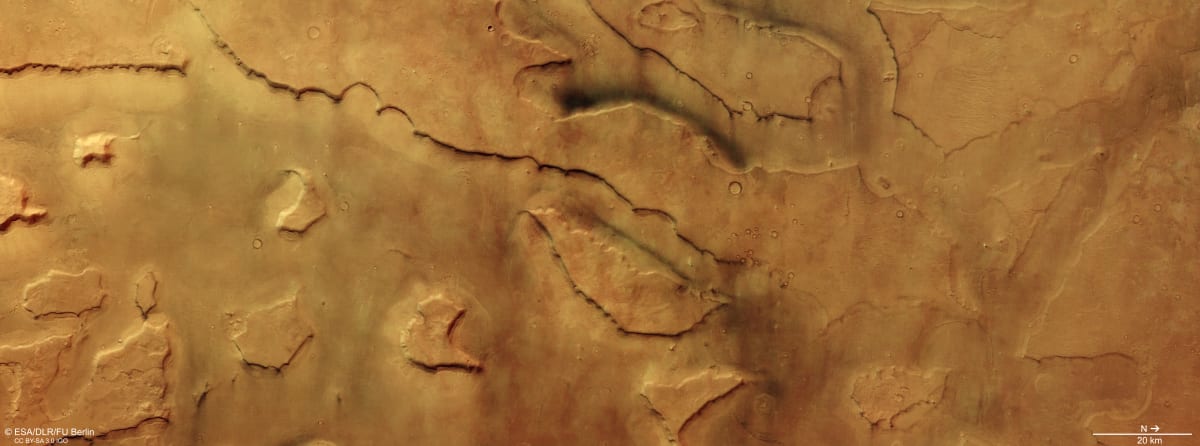
The European Space Agency's Mars Express has captured something extraordinary: 30 dust devils spinning through Mamers Valles, a vast valley system stretching across 600 miles of Martian terrain. These tiny yellow dots with pink shadows might look small in the image, but they're massive tornadoes of dust reaching heights of almost 5 miles and racing at speeds up to 148 feet per second.
Dust devils aren't unique to Mars. We see them on Earth too, but Martian versions tower far higher than anything we experience here.
What makes this discovery so valuable is what these swirling storms reveal about the Red Planet. Scientists use dust devils as a clever tool to map Mars' invisible wind patterns, information that's crucial for planning future missions and understanding the planet's evolution over billions of years.
Mamers Valles itself tells an ancient story. At 3.8 billion years old, this valley system bridges Mars' ancient southern highlands with its northern lowlands, making it a geological treasure trove.
The region holds even more secrets beneath its surface. Scattered throughout the valleys are former glaciers now buried under debris, likely protecting water ice underneath. Future Mars missions could target these hidden ice deposits, bringing us closer to understanding the Red Planet's watery past and possibly supporting human exploration.
Why This Inspires
This image reminds us that we're actively exploring another planet right now. Every day, Mars Express and other orbiters circle the Red Planet, capturing weather patterns, mapping terrain, and gathering data that brings us closer to answering fundamental questions about our solar system.
The fact that we can spot individual dust devils from orbit shows just how far our technology has come. NASA's Perseverance rover has even recorded the "crackle" of these phenomena, giving us not just images but sounds from another world.
These discoveries aren't just about satisfying curiosity. Every wind pattern mapped, every glacier identified, and every dust devil tracked helps pave the way for future missions that could finally reveal whether Mars once harbored life or could support human visitors someday.
Right now, spacecraft are doing incredible work millions of miles away, and they're sending the evidence straight to us.
#
More Images

Based on reporting by Space.com
This story was written by BrightWire based on verified news reports.
Spread the positivity!
Share this good news with someone who needs it