30-Year India Forest Project Brings 160 Bird Species Home
A barren Himalayan slope in India transformed into a thriving forest over 30 years, thanks to local villagers who planted 190 species and now harvest medicinal plants and livestock fodder. The community-led project proves degraded land can bounce back when people invest in their own backyard.
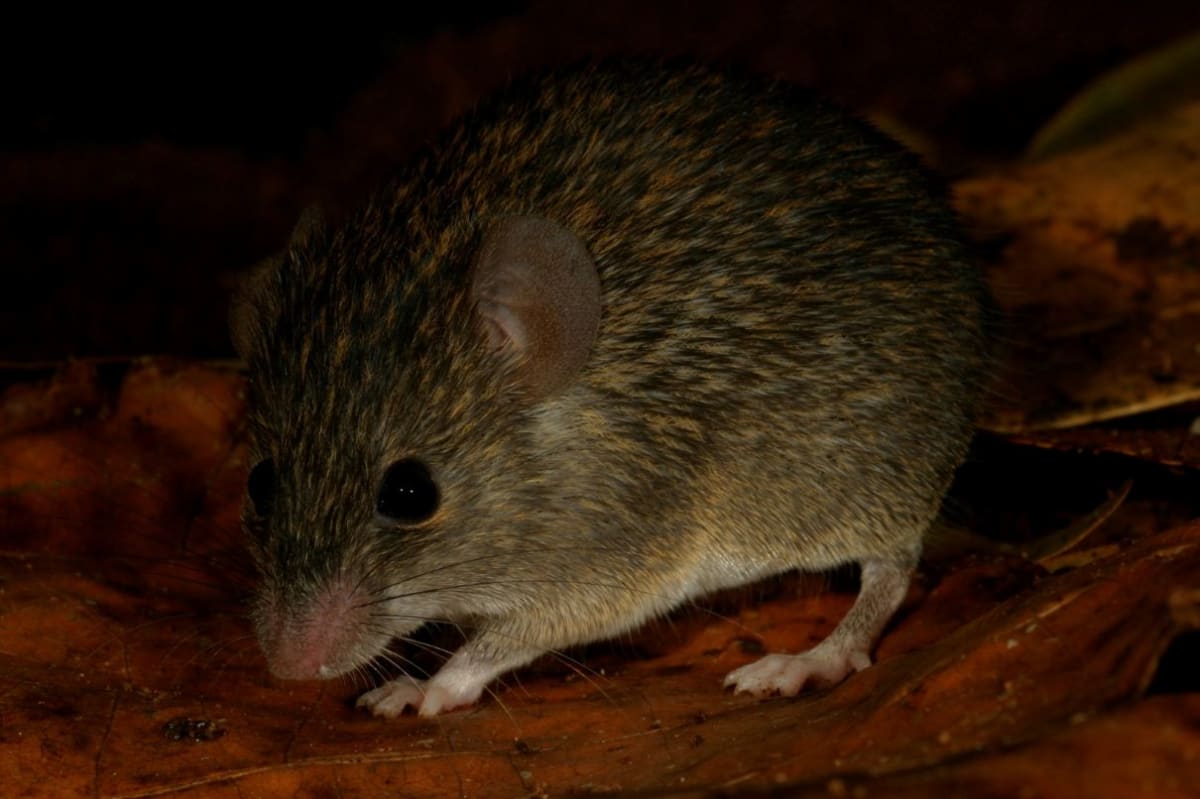
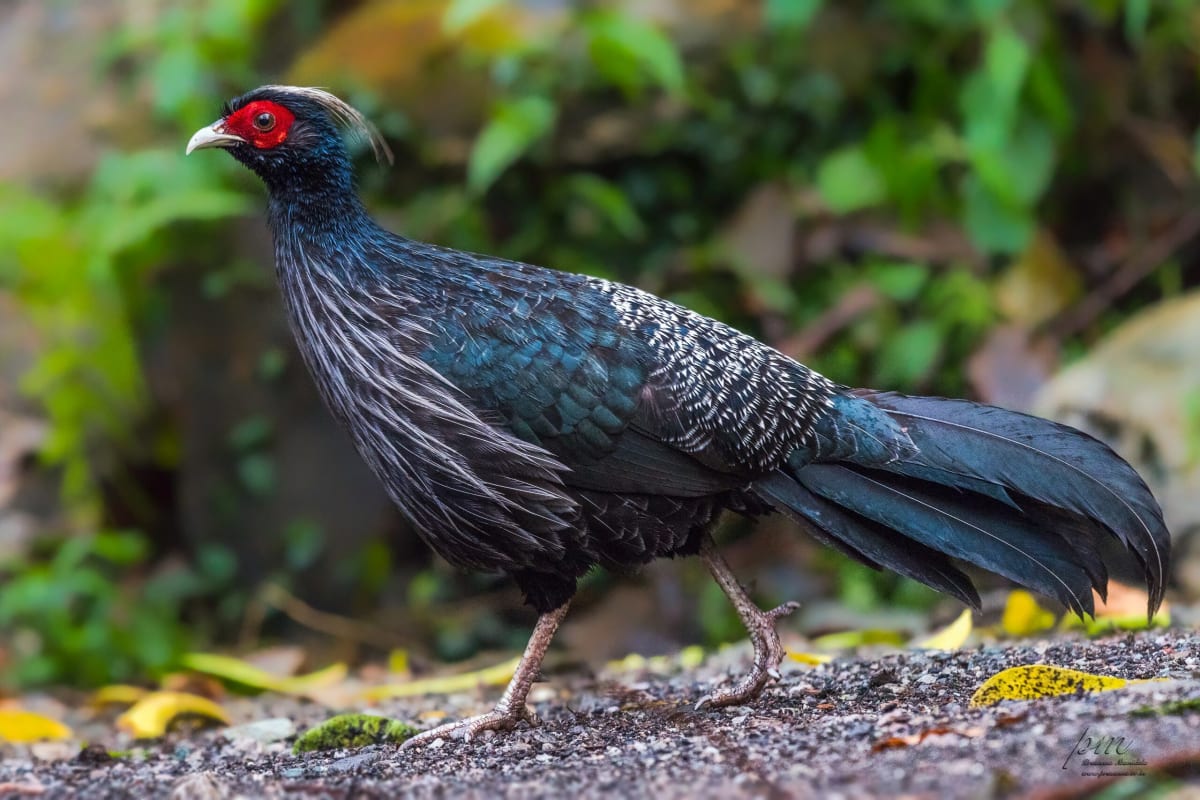
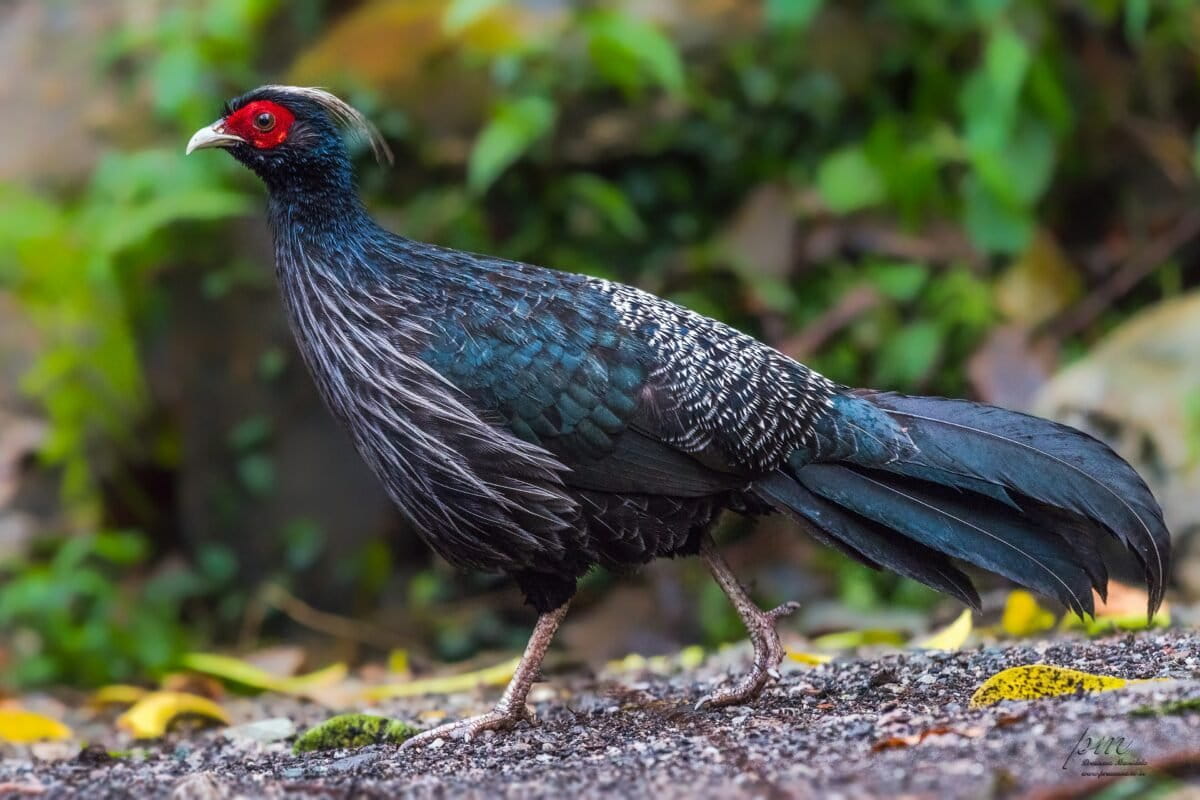
What was once a fire-prone slope dotted with scrubby pines is now home to 160 bird species, 100 butterfly varieties, and precious medicinal plants that local families depend on.
In 1992, researchers and villagers in Uttarakhand, India teamed up to restore 71 acres of degraded Himalayan land. They called it Surya-Kunj, meaning Sun-Grove, and got to work planting trees.
The slope had suffered from colonial-era monoculture cropping, where only longleaf Indian pines were grown for resin and timber. This left the landscape vulnerable to wildfires and erosion.
Researchers from the G.B. Pant National Institute of Himalayan Environment paid local villagers to participate from day one. Together, they planted 190 species representing more than half of all plants native to the Western Himalayas.
By 2024, 88 tree species had become established enough to reproduce naturally without human help. The team used simple bioengineering techniques to retain soil moisture, which kickstarted long-term natural regeneration.
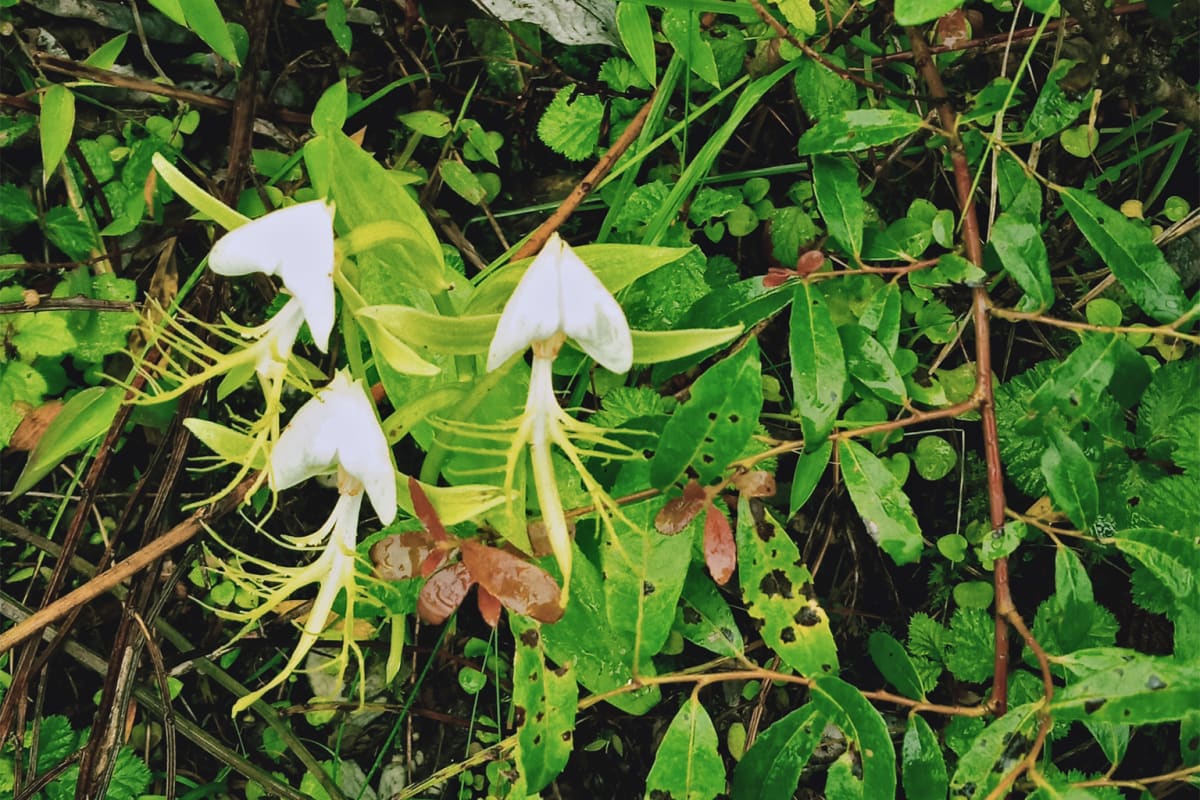
The project saved several endangered species from disappearing. Himalayan yew, an endangered tree with anticancer properties, now grows alongside rare orchids and all five Western Himalayan oak species.
Native species survived better than imported ones, with a 62% survival rate compared to 38% for nonnatives. The restored forest now stores significantly more carbon than before.
The Ripple Effect
Today, surrounding villages harvest leaf litter for composting and gather livestock fodder from the forest. Families collect medicinal plants that would cost money elsewhere.
The site doubles as a learning center where more than 5,000 students and researchers have attended conservation workshops. Director Indra D. Bhatt says Surya-Kunj proves that community involvement makes restoration possible on degraded land.
Researcher Munib Khanyari, who wasn't involved in the study, calls the project "truly unique" for its three decades of commitment and data. He says India needs more long-term restoration sites like this one.
The forest now thrives with wildlife that wasn't there 30 years ago, showing what's possible when communities invest decades into healing their land.
More Images


Based on reporting by Mongabay
This story was written by BrightWire based on verified news reports.
Spread the positivity!
Share this good news with someone who needs it