300-Year-Old Sextant Could Save Astronauts Traveling to Mars
NASA is reviving an ancient navigation tool as backup for deep space missions. Astronauts heading to the Moon and Mars are learning to use hand-held sextants, just like 18th-century sailors, in case modern technology fails.
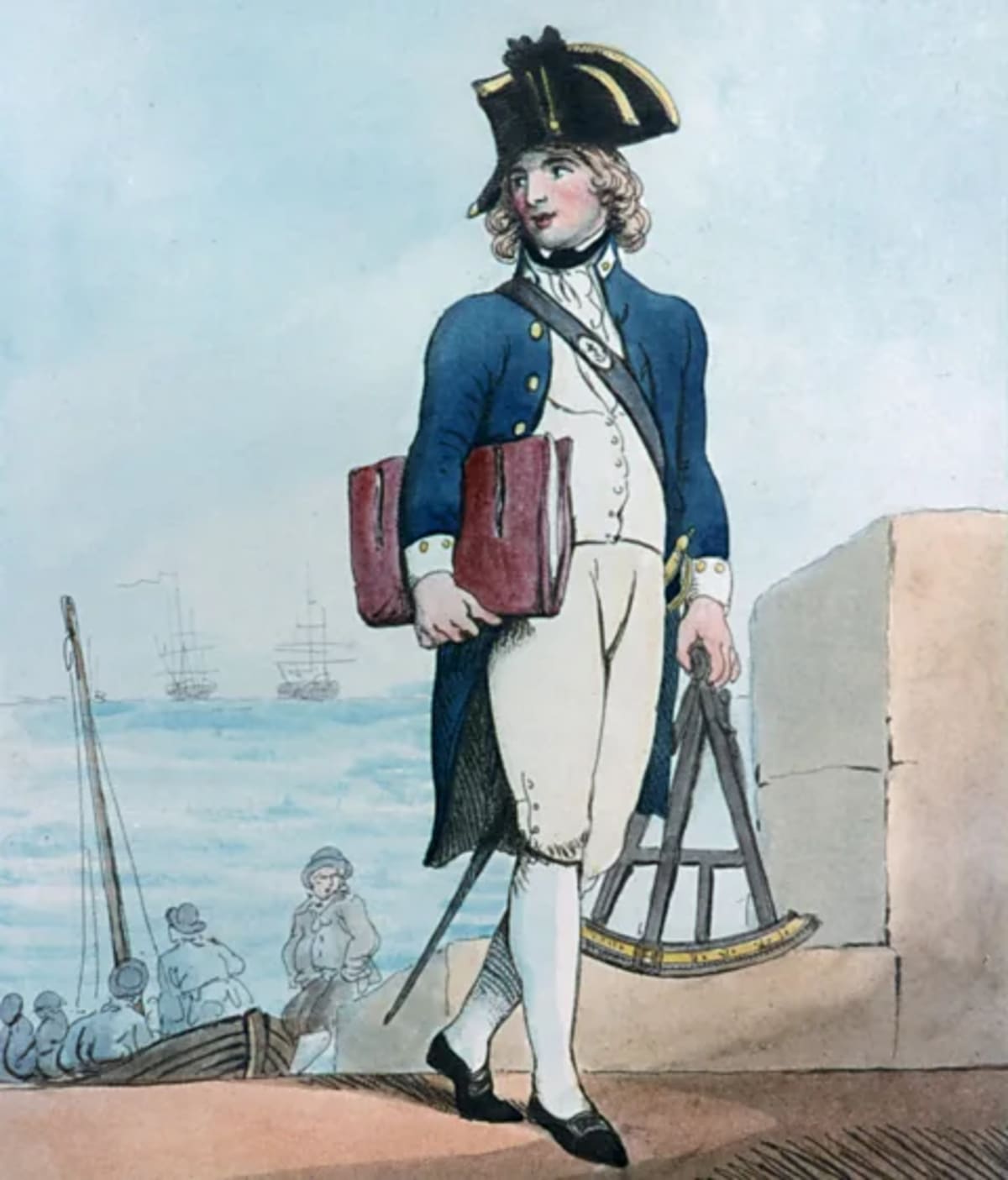
When astronauts venture millions of miles from Earth, a tool invented 300 years ago might be their best hope of getting home safely.
NASA engineers are training astronauts to use sextants, the same star-sighting instruments that guided sailors across Earth's oceans centuries ago. The reason is simple: the farther humans travel into space, the less reliable satellite navigation becomes.
"The further and further we go out, the less and less we can rely on some of the Earth-based navigation technology," says Greg Holt, navigation system manager for NASA's Orion Spacecraft. If communication fails during a Mars mission, astronauts need a way to calculate their position using only the stars.
The approach isn't new. Neil Armstrong and Buzz Aldrin used sextants during the Apollo missions in the 1960s and 70s. During the near-disastrous Apollo 13 flight in 1970, Jim Lovell famously navigated part of the journey home by sight alone.
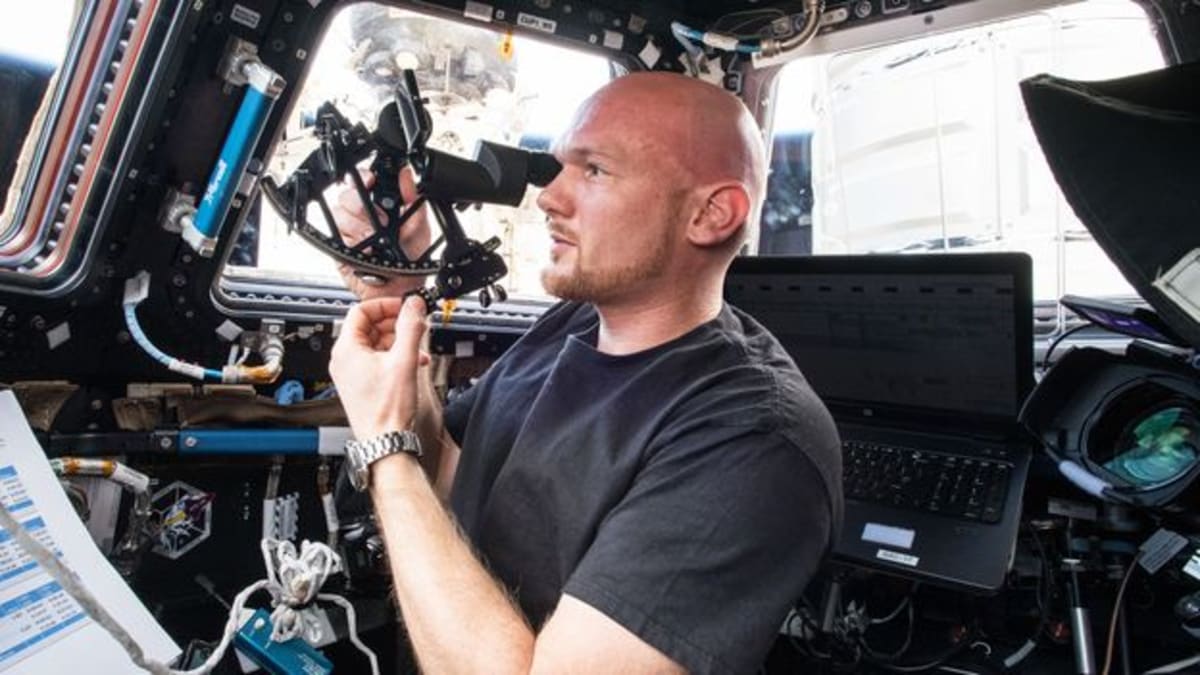
In 2018, NASA tested the concept on the International Space Station. Astronauts Serena Auñón-Chancellor and Alexander Gerst used hand-held sextants to take measurements with the naked eye. The results were accurate enough to guide a crew home in an emergency.
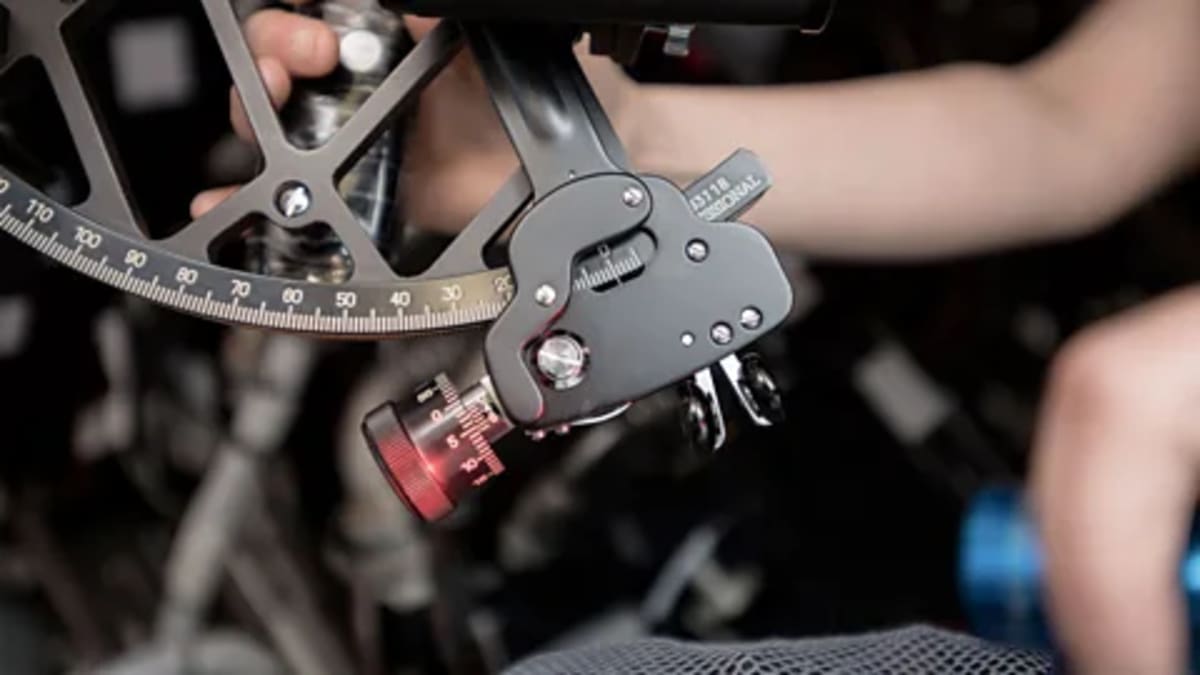
The space sextant looks nearly identical to its maritime ancestor, with just a few modifications. Engineers rounded off sharp edges to prevent scraping and added hook-and-loop fasteners to keep it from floating away in zero gravity.
Today's Orion spacecraft carries high-tech optical navigation systems that automatically photograph stars and calculate positions. But if those systems fail, astronauts have paper charts and manual sextants as final backups.
The Bright Side
This blend of ancient wisdom and modern technology shows how sometimes the simplest solutions are the most reliable. The same principles that guided explorers across unknown oceans in the 1700s work just as well in the vastness of space.
Astronauts on the recent Artemis II mission to the Moon kept a hand-held emergency sextant ready throughout their journey. They didn't need it, but knowing it was there provided peace of mind.
As humans prepare for longer missions to Mars and beyond, these classical navigation skills are becoming essential training. The stars that guided sailors home centuries ago will now light the way for space travelers millions of miles from Earth.
More Images
Based on reporting by BBC Future
This story was written by BrightWire based on verified news reports.
Spread the positivity!
Share this good news with someone who needs it