34-Million-Year-Old Snake Fossils Reveal Sleepover Party
Scientists in Wyoming discovered four fossil snakes curled together in an ancient burrow, possibly the oldest evidence of snakes gathering for survival. The 34-million-year-old find is rewriting the story of how modern boas evolved.
Four small snakes huddled together in a Wyoming burrow 34 million years ago may have just revealed that snakes have been surviving winters as a team far longer than anyone imagined.
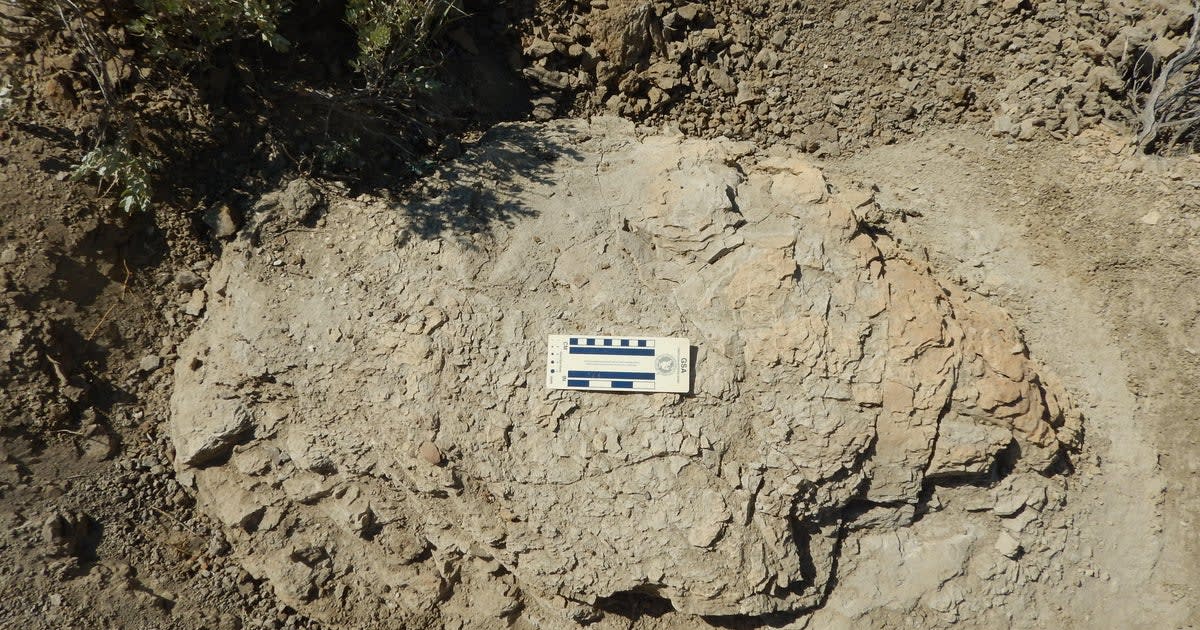
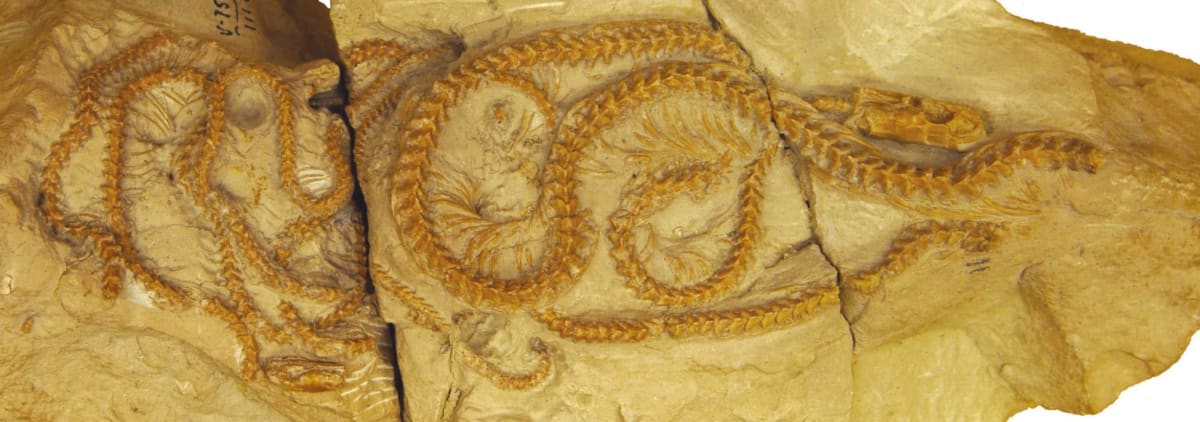
Researchers studying fossils from the White River Formation in Converse County, Wyoming, discovered something remarkable. They found four specimens of a previously unknown snake species, with three preserved in a single rock block and curled together in what appears to be a shared burrow.
The new species, named Hibernophis breithaupti, lived during a time when North America's snake populations looked completely different from today. Before modern snake groups took over, constricting snakes like these early relatives of boas and pythons dominated the continent's ecosystems.
What makes this discovery special goes beyond identifying a new species. Fossil snakes are typically found as isolated vertebrae, which tell scientists very little. These Wyoming fossils included skulls, jaws, and other skeletal parts in remarkable detail, giving researchers an unusually complete picture of an ancient snake.
One specimen was hidden inside the rock and only revealed through CT scanning. That technological assist helped scientists understand that this snake was small, likely spent time burrowing, and represents an important early branch in the evolution of boa-like snakes.
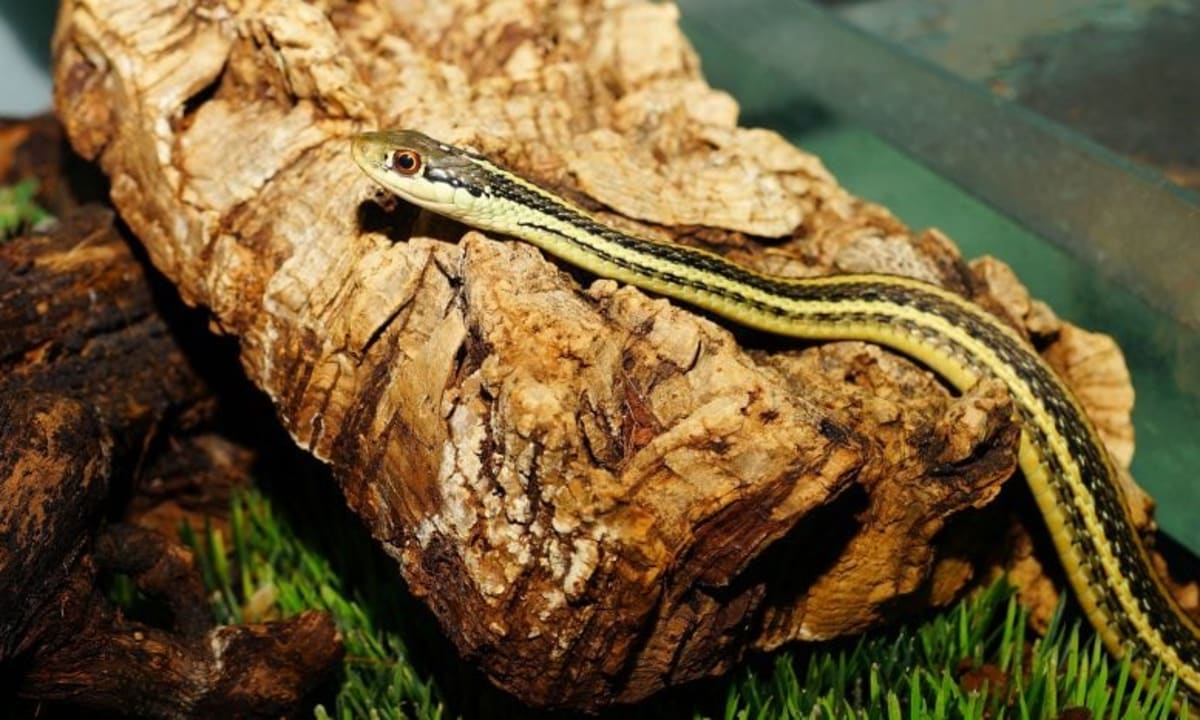
The arrangement of the fossils suggests these snakes were doing something modern garter snakes still do today: gathering together to wait out cold weather. Snakes enter a state called brumation when temperatures drop, retreating to burrows or rock crevices to conserve energy. Some species gather by the thousands in shared dens, using collective body heat to survive.
Why This Inspires
This discovery pushes back evidence of complex social behavior in snakes by tens of millions of years. The idea that snakes have been problem-solving together, finding safety in numbers during harsh seasons, for at least 34 million years reveals just how successful these survival strategies have been.
University of Alberta paleontologist Michael Caldwell, who co-led the research with former graduate student Jasmine Croghan, points out the parallel. Modern garter snakes famously gather by the thousands to hibernate together, creating warmth through sheer numbers. Seeing possible evidence of this behavior from 34 million years ago shows that cooperation and community have deep evolutionary roots.
The fossils also fill important gaps in understanding how modern boas and pythons first emerged and diversified. Hibernophis shows traits of early booid snakes mixed with features from other groups, suggesting it lived near a key evolutionary split. Rather than fitting neatly into existing categories, it reveals that snake evolution was more gradual and branching than previously thought.
These Wyoming snakes prove that even the smallest fossils can hold outsized clues about how life adapts, survives, and thrives together across millions of years.
More Images
Based on reporting by Google: fossil discovery
This story was written by BrightWire based on verified news reports.
Spread the positivity!
Share this good news with someone who needs it