Texas Kids Find School Bus-Sized 'Sea T. Rex' Fossil
A family boat trip turned into a paleontology breakthrough when restless kids discovered the bones of a massive ancient sea predator on a Texas lakeshore. Forty-five years later, scientists officially named it Tylosaurus rex.
When your kids get whiny on a boat ride, you never expect them to discover a new species of prehistoric sea monster.
In 1979, a family beached their boat at Lake Ray Hubbard near Dallas because the kids were getting antsy. The children wandered the shore and found strange rocks that looked eerily like giant bones. Their mom's instinct was spot on.
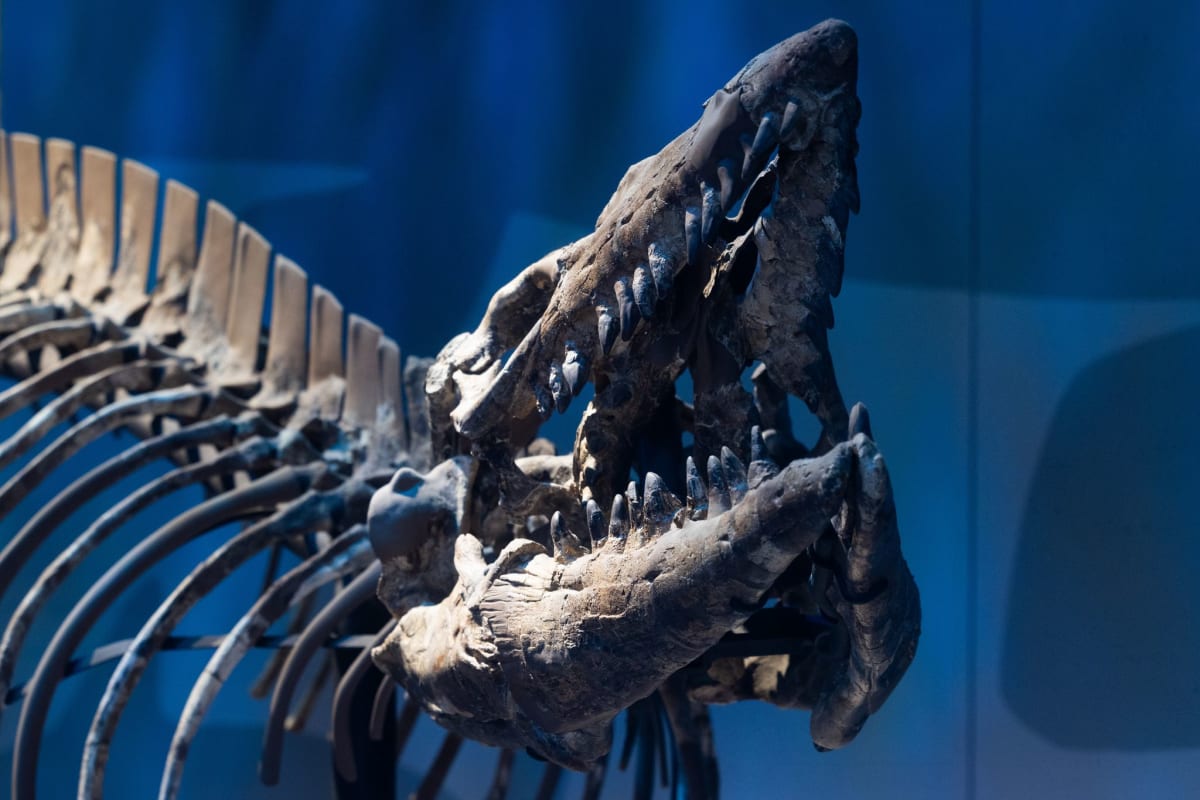
Those "rocks" turned out to be a school bus-sized marine reptile that prowled the seas above Texas 66 million years ago. This week, researchers at the Perot Museum, Southern Methodist University, and the American Museum of Natural History officially named it Tylosaurus rex, the "T. rex of the sea."
The massive predator stretched up to 45 feet long and packed serrated, steak knife-style teeth. Its powerful jaw and neck muscles were significantly stronger than other mosasaurs, the marine reptiles that lived alongside dinosaurs until an asteroid wiped them out.
What makes T. rex special isn't just its size. Scientists found battle scars on multiple specimens that suggest these creatures were incredibly aggressive, even toward each other.
One fossil nicknamed "The Black Knight," discovered in 2022, shows horrific injuries including a fractured jaw and missing snout portion. Only another T. rex could have inflicted that kind of damage, yet the bone shows signs of healing.
The Ripple Effect
The discovery almost didn't happen. For decades, the fossil sat in a museum, classified as a different species entirely.
In 2012, SMU researcher Michael Polcyn noticed an unusual groove on one of the bones. Then he stumbled across a 1960s note from a student who suspected these Texas specimens were abnormally large and might be something new.
That hunch from half a century ago just got confirmed. The finding helps paleontologists understand the incredible diversity of ancient marine life and how these apex predators evolved.
Most new species discovered in North Texas come from citizen scientists, local collectors and amateur enthusiasts walking creek beds after storms. Without curious families and dedicated hobbyists exploring the landscape, many of these prehistoric treasures would wash away unseen.
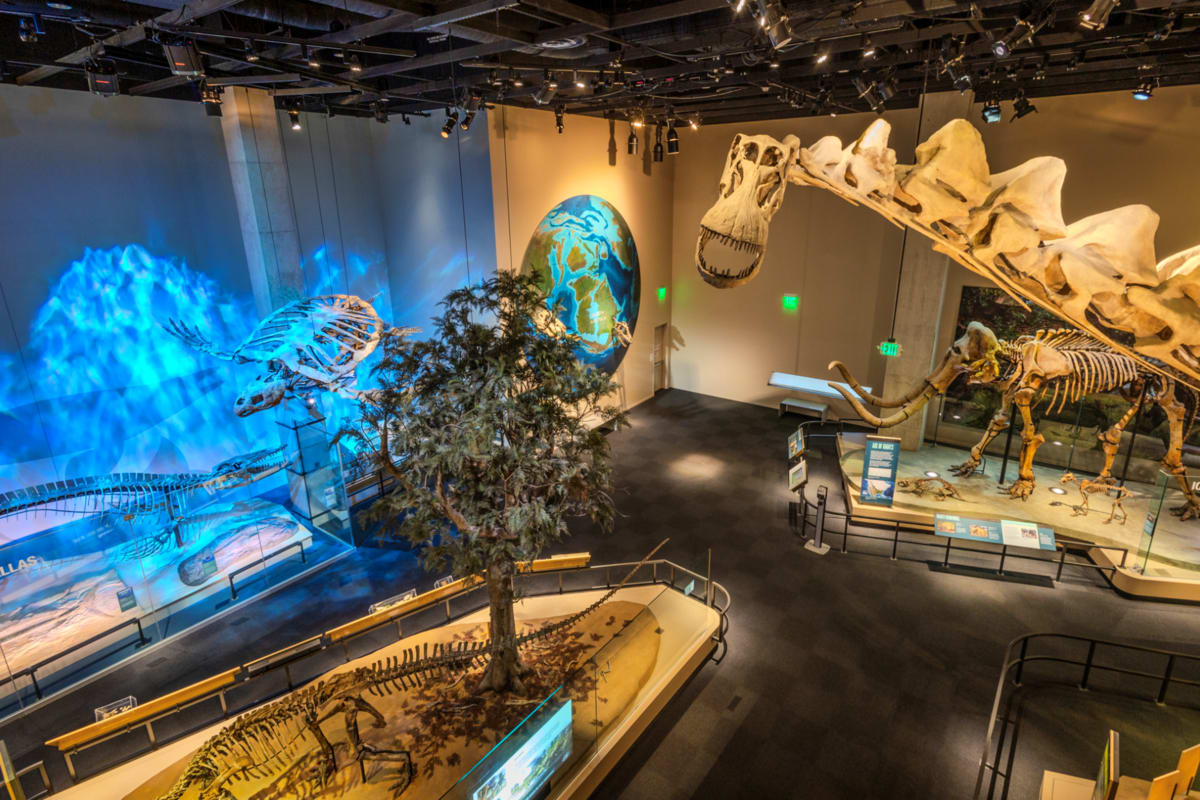
The original T. rex specimen has been on display at the Perot Museum for years, waiting patiently for science to catch up to what those kids discovered on a boring boat ride.
Based on reporting by Google News - Science
This story was written by BrightWire based on verified news reports.
Spread the positivity!
Share this good news with someone who needs it