5 Ways to Stop Overthinking, Based on Science
A therapist-backed approach challenges the idea that happiness means eliminating negative thoughts. Instead, it teaches how to respond differently when your mind won't stop spiraling.
Your mind replays the same conversation for the third time today, analyzing every word you said. Before you know it, hours have passed stuck in mental loops that lead nowhere.
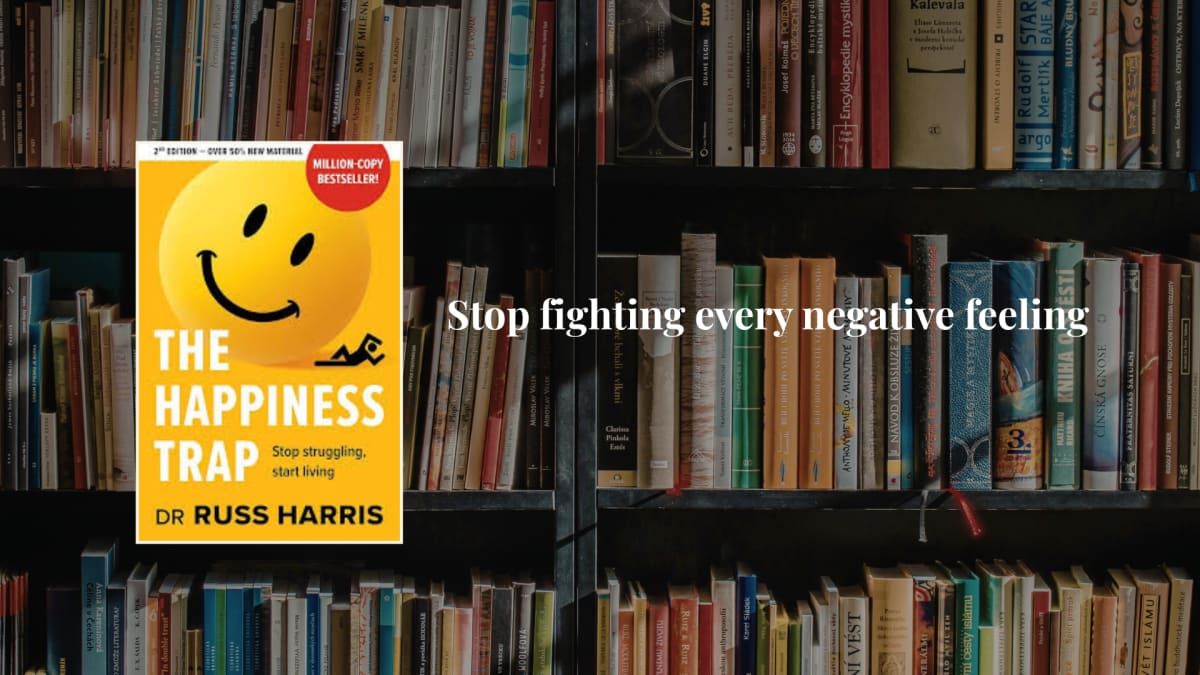
This exhausting cycle affects millions, but psychologist Russ Harris offers a different path in The Happiness Trap. Based on Acceptance and Commitment Therapy, his approach doesn't promise to eliminate anxious thoughts. Instead, it teaches readers how to live alongside them without being controlled.
The first breakthrough comes from recognizing that thoughts aren't facts. When your mind says "What if I fail?" or "What if they hate me?", those are just thoughts, not evidence or predictions. Creating distance from these mental stories reduces their power dramatically.
The second shift feels counterintuitive: stop fighting every negative feeling. Many people exhaust themselves battling sadness, fear, or anxiety, believing peace requires constant emotional control. Harris teaches that accepting uncomfortable emotions without resisting them often makes them pass more naturally.
Grounding yourself in the present moment interrupts endless mental spirals. Overthinking usually lives in regret about yesterday or fear about tomorrow. Simple practices like focusing on breathing or noticing your surroundings bring attention back to what's actually happening now, not the catastrophes your mind invents.
Here's the surprising part: trying to control every thought makes them stronger. Tell yourself "don't think about it" and watch that exact thought multiply. Harris suggests observing thoughts without reacting, letting them float past like clouds instead of wrestling each one to the ground.
The most powerful teaching focuses on values over fears. Overthinking creates hesitation, keeping people from opportunities because worry feels overwhelming. Instead of letting fear make decisions, Harris encourages asking: What kind of person do I want to be? Choices rooted in personal values create more peace than choices made from anxiety.
Why This Inspires
These lessons work because they remove impossible pressure. You don't need a perfectly calm mind to feel okay or to move forward in life. Mental peace doesn't come from thinking harder or controlling everything, it comes from changing your relationship with thoughts themselves.
The approach helps because it's realistic. Difficult thoughts will always arrive, but they don't have to run the show.
More Images




Based on reporting by YourStory India
This story was written by BrightWire based on verified news reports.
Spread the positivity!
Share this good news with someone who needs it