500-Million-Year-Old Fossil Rewrites Evolution Story
A forgotten museum fossil sat in storage for 64 years before revealing secrets about a mysterious gap in Earth's animal evolution. Scientists now believe an entire era of ancient life was simply waiting to be rediscovered.
A dusty fossil tucked away in a Smithsonian drawer just rewrote what we thought we knew about life on Earth half a billion years ago.
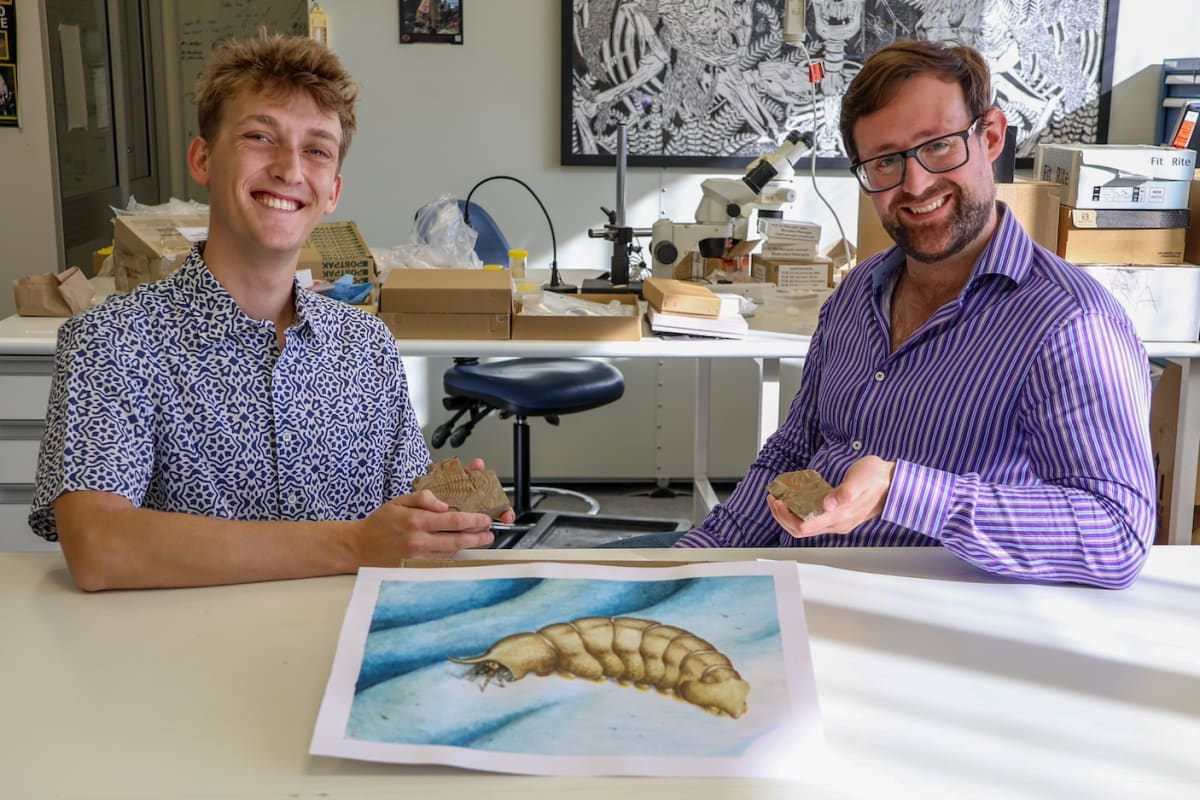
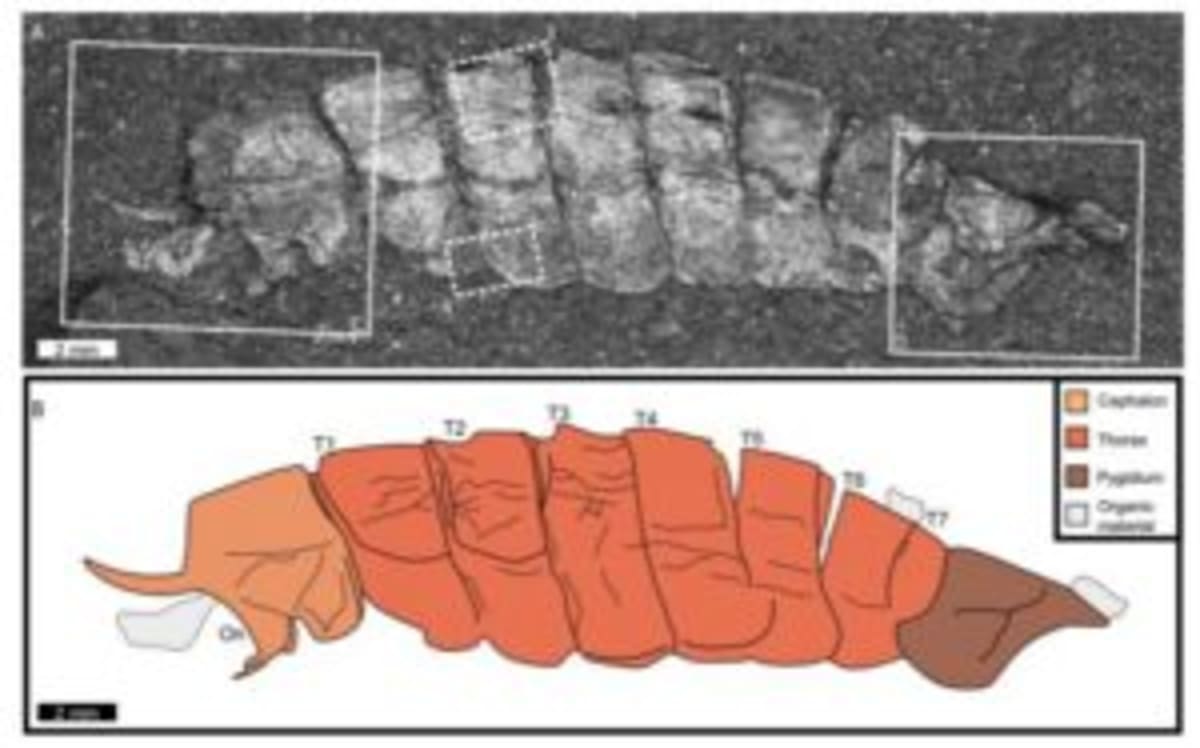
Researchers at Flinders University in Australia examined a specimen collected in 1962 near Québec, Canada, and discovered it belongs to an ancient creature that challenges a major assumption about our planet's evolutionary history. The newly identified species, named Magnicornaspis garwoodi, is a 500-million-year-old arthropod related to the ancestors of modern spiders and scorpions.
The fossil fills a puzzling blank in the history of life called the "Furongian gap." For years, scientists believed that between 497 and 485 million years ago, ocean life experienced a dramatic collapse in diversity during the late Cambrian Period.
Dr. Russell Bicknell, who led the research, says the gap might be an illusion. "Perhaps we haven't been looking at the right sedimentary rocks or fossil-bearing deposits to get a clear picture," he explains.
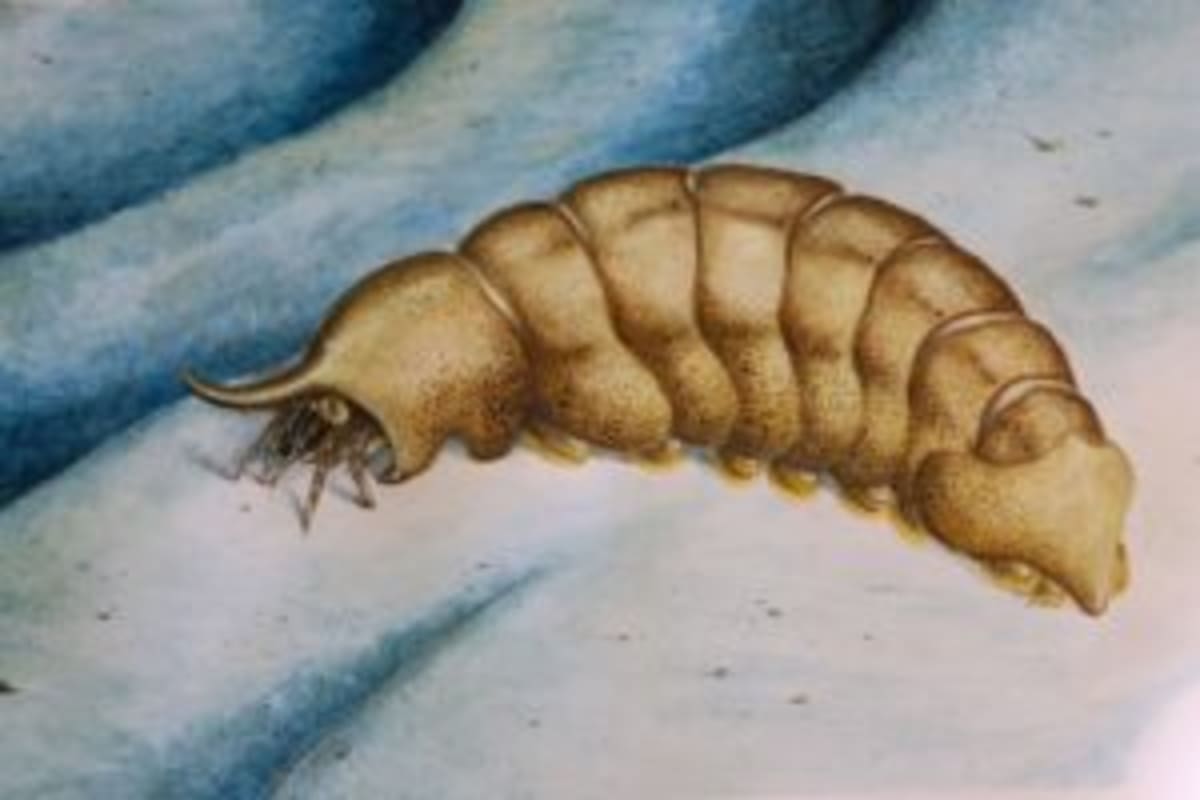
The creature featured broad head shields, a segmented body, and defensive spines. It lived in deep marine environments and was preserved in black shale, a type of rock not previously known for exceptional fossil preservation.
Why This Inspires
This discovery proves that major scientific breakthroughs don't always require expensive expeditions to remote locations. Sometimes the answers are already sitting on museum shelves, waiting for someone to look with fresh eyes.
Museums worldwide hold enormous collections of specimens gathered over the past century during geological surveys and mapping projects. Many have never been fully studied using modern techniques.
Dr. Julien Kimmig from Germany's Karlsruhe Institute of Technology notes that revisiting these collections "can fundamentally reshape understanding of ancient ecosystems." The Furongian gap may not represent a collapse in biodiversity at all, but simply reflects where scientists have been looking and which rocks they've studied.
Each new fossil from this period reveals increasingly sophisticated ecosystems thriving during the late Cambrian. Together, these discoveries suggest that life remained diverse and ecologically complex during a time once thought barren.
The research team included scientists from Australia, Germany, and the United States. They named the species after Russell Garwood, a University of Manchester paleontologist who has dedicated his career to understanding the evolution of chelicerates, the group that includes spiders, scorpions, and their ancient relatives.
The findings were published in BMC Biology and funded through Australian Research Council grants. Thomas Turner, a Flinders University honors student and paleoartist, created detailed illustrations bringing the ancient creature back to life.
Earth's story keeps getting richer as we rediscover what's been hiding in plain sight all along.
More Images
Based on reporting by Google: fossil discovery
This story was written by BrightWire based on verified news reports.
Spread the positivity!
Share this good news with someone who needs it