5,500-Year-Old Mining Camp Found High in the Pyrenees
Archaeologists discovered ancient hearths filled with green copper-rich minerals in a mountain cave 7,300 feet high, revealing that prehistoric people repeatedly returned to mine resources over 2,000 years. The find challenges old beliefs that early humans only briefly passed through high-altitude areas.
Deep in the Pyrenees mountains, a cave perched nearly a mile and a half above sea level is rewriting what we know about prehistoric life.
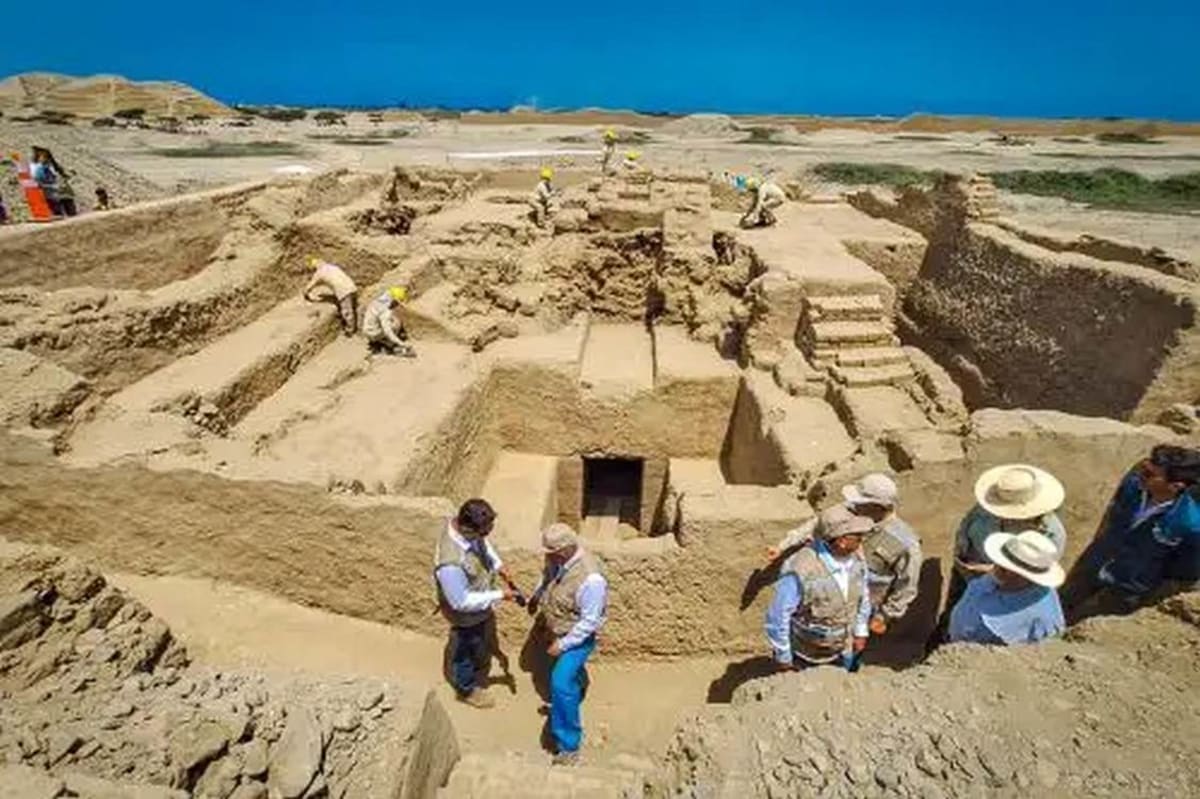
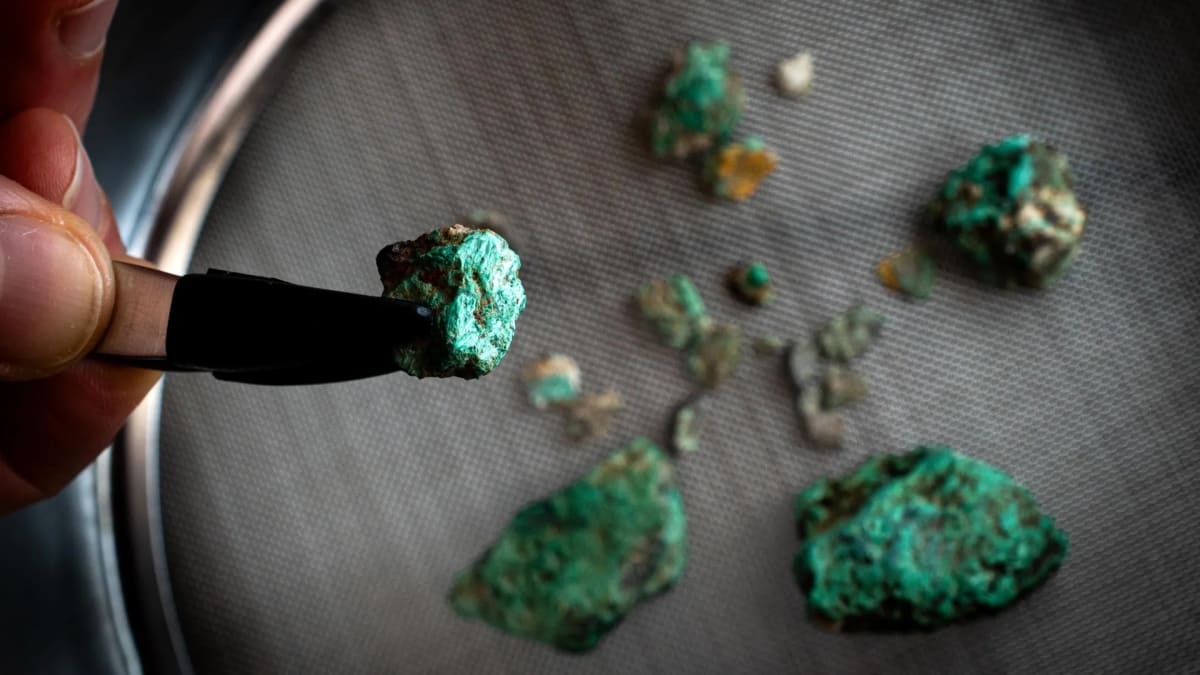
Archaeologists working at Cave 338 in Spain's Freser Valley uncovered 23 ancient hearths packed with fragments of green mineral that may be malachite, a copper-rich stone. The discovery suggests people were mining copper at extreme altitudes far earlier than experts believed possible.
The evidence spans an incredible timeline. Radiocarbon dating places the oldest hearths between 5,500 and 4,000 years ago, with newer ones from about 3,000 years ago showing that generation after generation made the difficult journey back to this remote spot.
"For a long time, high-mountain environments were seen as marginal, places prehistoric communities passed through occasionally," said Professor Carlos Tornero of the Catalan Institute of Human Paleoecology and Social Evolution. The dense layers of remains tell a different story entirely.
What makes the find especially compelling is how intentional it all was. The mineral fragments show clear signs of heating and processing, while other materials in the cave remain untouched by fire.
"They weren't burned by accident," explained Dr. Julia Montes-Landa of the University of Granada. The overlapping hearths prove people returned repeatedly, though gaps between visits show these were separate expeditions spread across centuries.
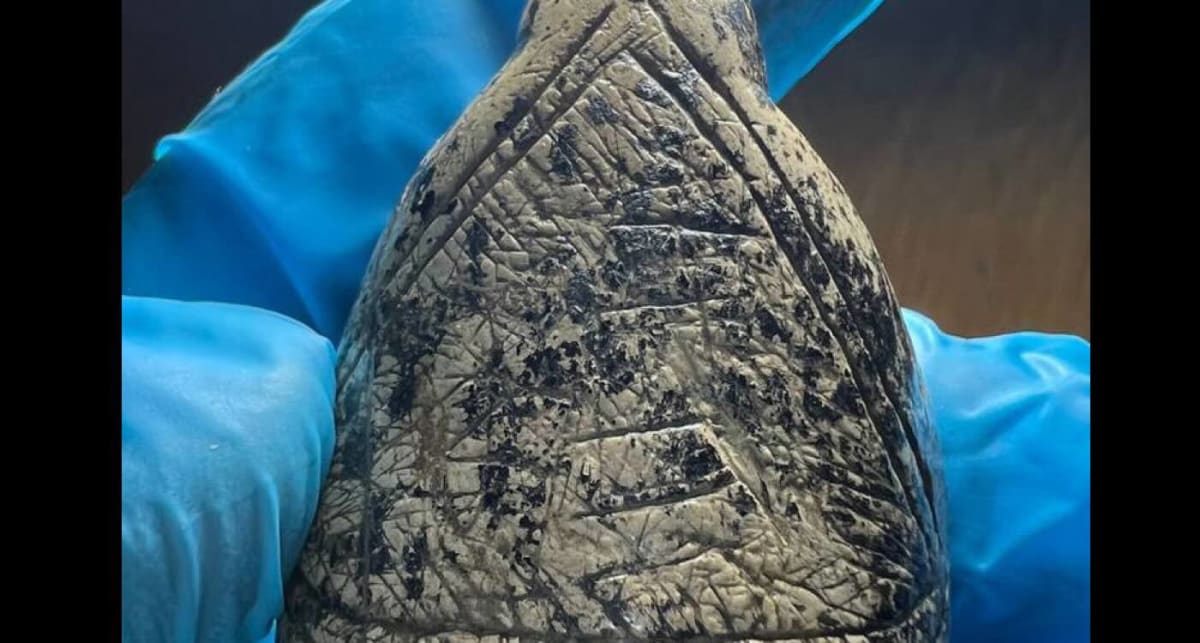
Among the artifacts, researchers found treasures that hint at rich cultural lives. Two pendants emerged from the layers: one carved from shell and another crafted from a brown bear tooth.
The shell pendant matches designs found at other Catalonian sites, suggesting prehistoric communities shared artistic traditions across regions. The bear tooth pendant is rarer and may hold special symbolic meaning tied to the mountain environment.
Why This Inspires
The discovery of a child's finger bone and baby tooth adds a deeply human dimension to the story. The remains of an 11-year-old suggest the cave may have served as more than just a work site, possibly including burial purposes that honored the mountain's significance.
This wasn't a place people abandoned after one visit. Communities valued this difficult-to-reach location enough to return for 2,000 years, building fires in the same spots their ancestors used, working with the same green stones, and perhaps laying their loved ones to rest.
Excavations continue this summer, and researchers expect to uncover more layers that could reveal even older occupation. They're also working to definitively identify the green mineral and trace where it originally came from.
The cave stands as proof that our ancestors saw opportunity and meaning in the most challenging landscapes. They didn't just survive in the mountains; they thrived there, building traditions that lasted millennia.
Based on reporting by Science Daily
This story was written by BrightWire based on verified news reports.
Spread the positivity!
Share this good news with someone who needs it