6 Planets Align and Eclipse Dazzles in February Skies
February brings a rare planetary parade, a ring-of-fire eclipse, and the return of the Milky Way's bright core to skywatchers worldwide. Bundle up and look skyward for some of nature's most stunning celestial shows.
This February is packing more cosmic wonder into 28 days than most months manage in 31. From dancing planets to glowing halos around the sun, the night sky is putting on shows that require nothing more than your willingness to step outside and look up.
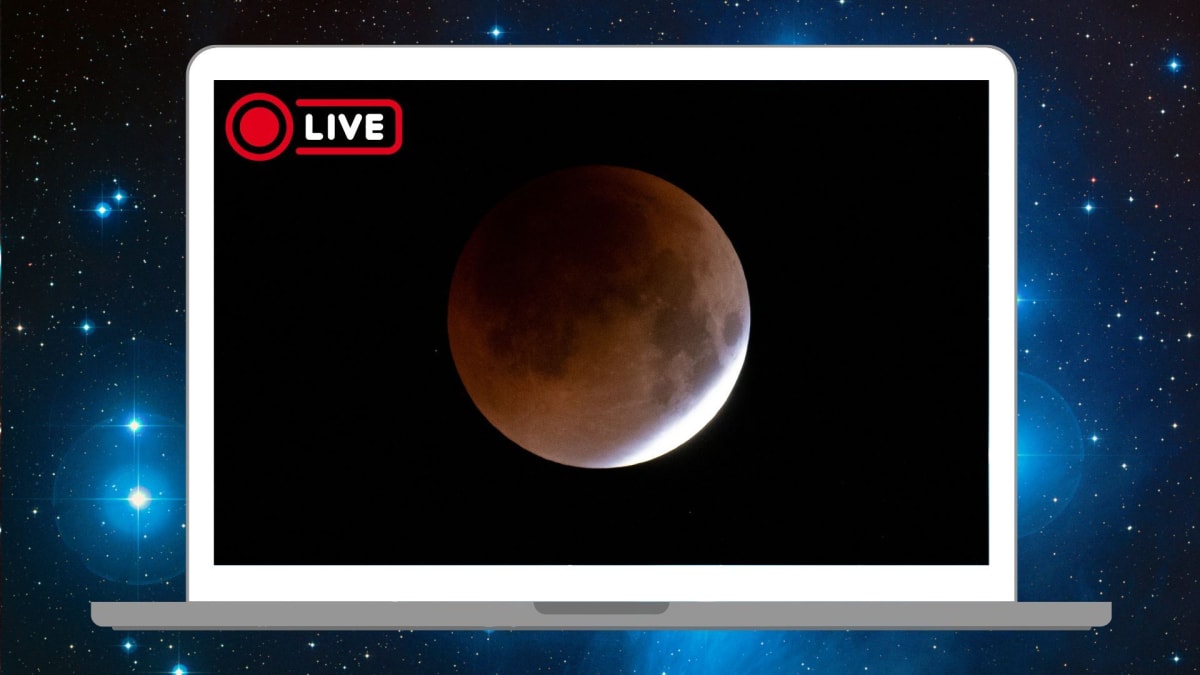
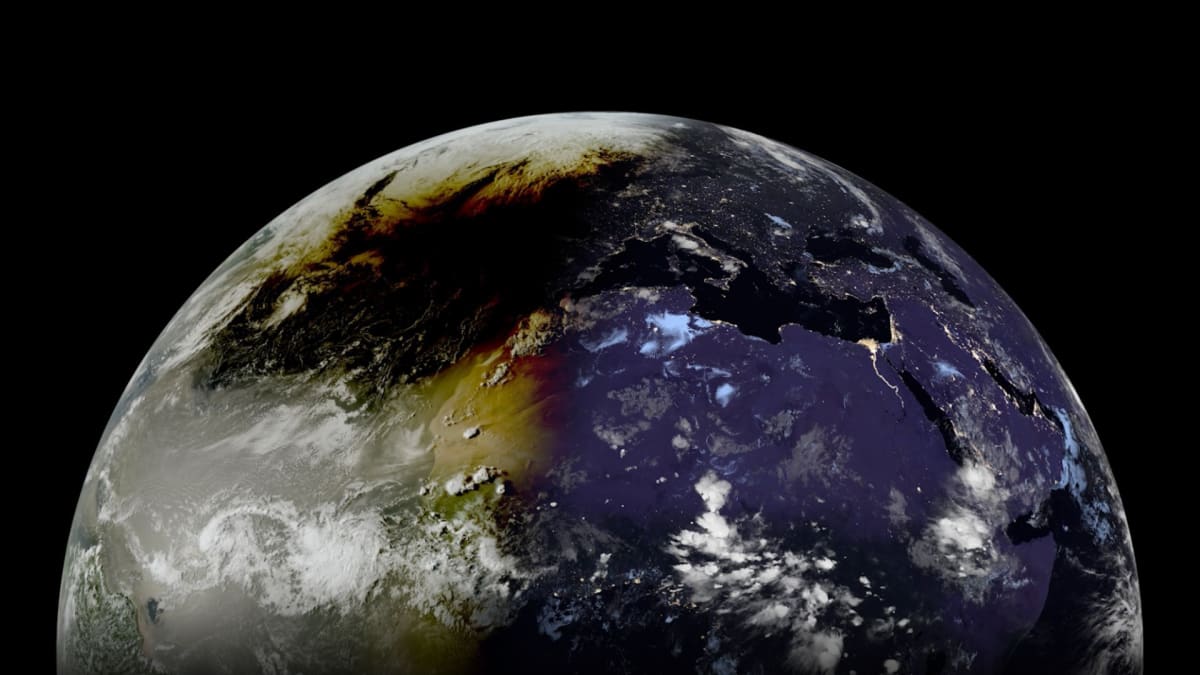
The month's headliner arrives February 17, when the moon passes directly in front of the sun but stays just far enough away to leave a stunning ring of fire visible around its edges. This annular eclipse will paint its full glory over Antarctica and parts of the Southern Indian Ocean, though skywatchers in southern Africa, Chile, Argentina, and Botswana can catch partial views.
Starting around February 20, six planets will line up in a celestial parade stretching into early March. Venus, Mercury, and Saturn will cluster low in the western sky right after sunset, visible for about an hour before they dip below the horizon. Jupiter will shine brighter and higher in the eastern sky, while Uranus and Neptune play hide and seek nearby for anyone with binoculars or a telescope.
The moon gets especially social this month, sidling up to Mercury on February 18 in a delicate twilight pairing. Just one day later, it drifts past Saturn's golden glow in the western sky. On February 23, the slender crescent moon passes close to the Pleiades star cluster, creating an easy-to-spot treat for beginning stargazers.
Mercury makes a rare appearance on February 19, reaching its greatest eastern elongation and becoming visible low on the western horizon after sunset. This speediest planet usually hides in the sun's glare, making this viewing window particularly special.
The Bright Side
For those willing to wake before dawn in late February, the Milky Way's bright core makes its long-awaited return to Northern Hemisphere skies. After hiding through winter's heart, our galaxy's star-dense center begins peeking above the southeastern horizon in the early morning hours. Dark-sky destinations like Big Bend National Park in Texas or Big Cypress National Preserve in Florida offer the clearest views of this cosmic homecoming.
Even the Alpha Centaurid meteor shower joins the party on February 8, sending up to six meteors per hour streaking across dark skies. Southern Hemisphere viewers get the best seats, though southern U.S. states might catch a few after midnight.
These celestial events require no special equipment, no tickets, and no expertise. The universe is staging free shows every single night, and all you need to do is dress warmly, step outside, and remember to look up.
More Images




Based on reporting by Optimist Daily
This story was written by BrightWire based on verified news reports.
Spread the positivity!
Share this good news with someone who needs it
%2Fhttps%3A%2F%2Ftf-cmsv2-smithsonianmag-media.s3.amazonaws.com%2Ffiler_public%2Ff0%2Ffe%2Ff0fe19e4-e68b-474d-b0a4-19c5beb9d19d%2Fspeedy-star.webp)