68-Million-Year-Old Dinosaur Egg Found Inside Another Egg
Scientists discovered the first-ever dinosaur egg within another egg, revealing that giant titanosaurs may have shared surprising reproductive traits with modern birds. The rare find in India is rewriting what we know about how dinosaurs brought new life into the world.
A fossilized dinosaur egg from India just revealed a secret hidden for 68 million years: a second egg tucked inside it.
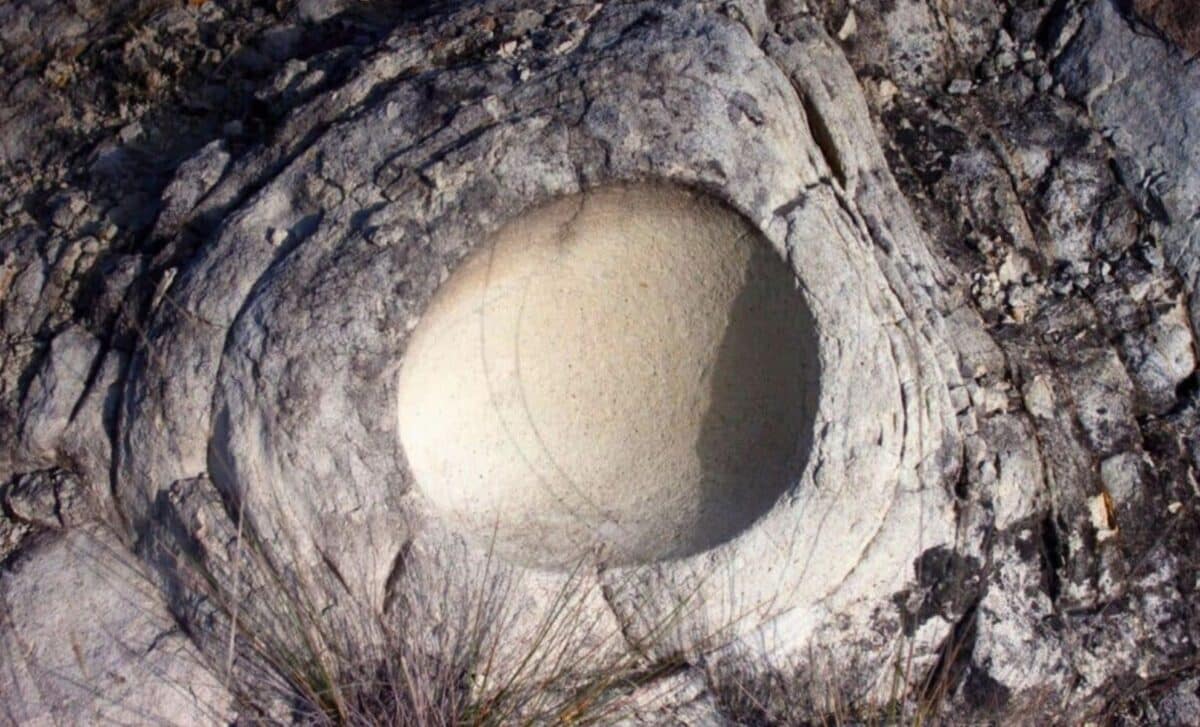
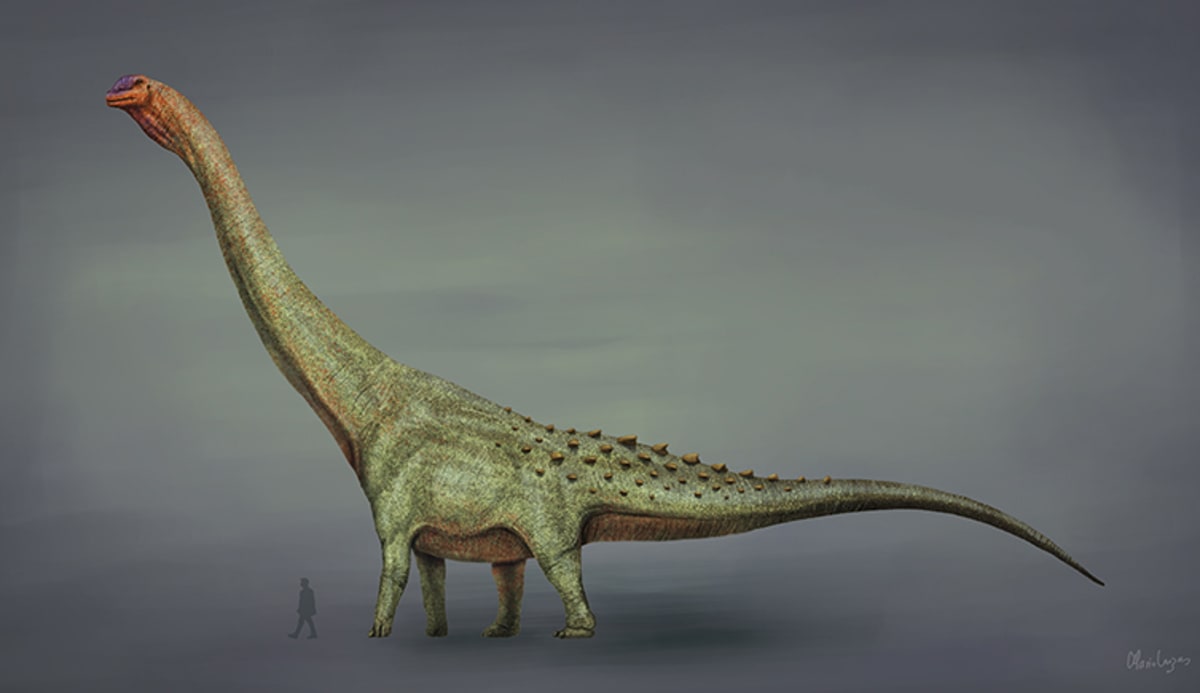
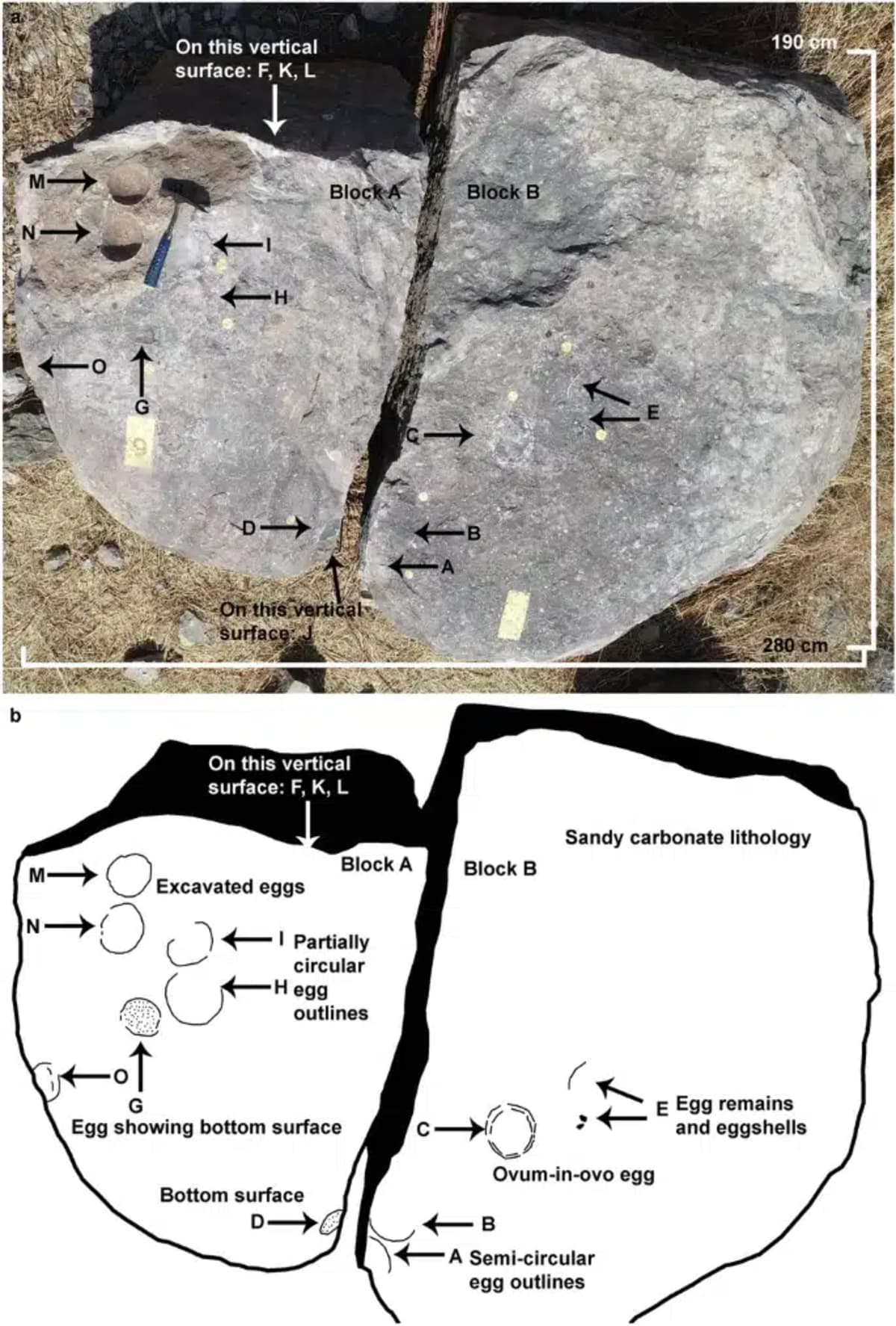
In 2017, researchers surveying central India's Lameta Formation discovered 11 fossilized eggs arranged in a shallow nest. The eggs measured about six inches across and appeared typical of titanosaurs, the massive long-necked herbivores that once roamed the Late Cretaceous landscape.
But one egg caught their attention. A faint curved shadow beneath its outer shell hinted that something unusual lay hidden inside.
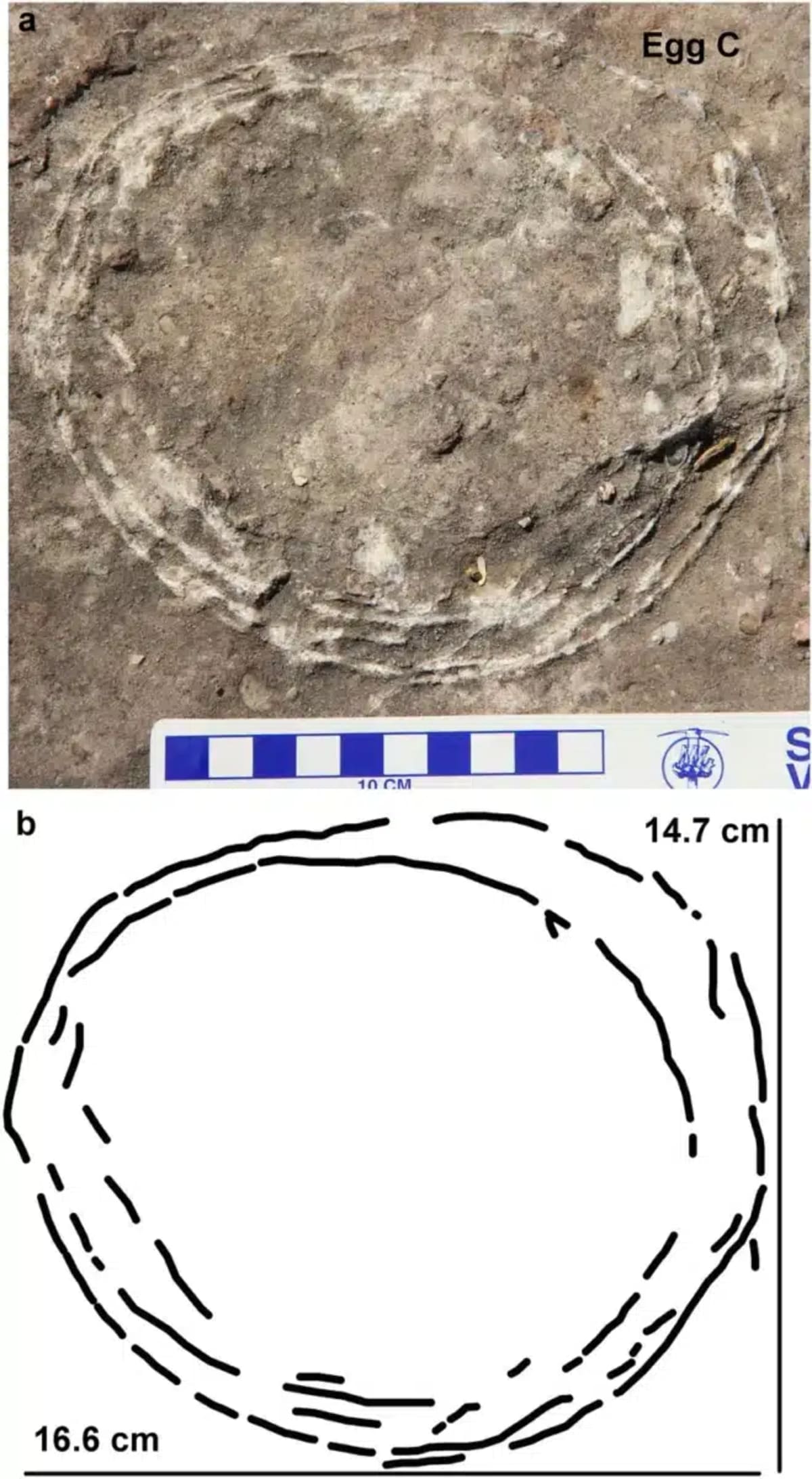
Back in the lab, CT scans revealed the stunning truth. A second arc-shaped structure sat within the first egg, separated by a thin strip of sediment. The team initially wondered if the shell had simply collapsed over millions of years, but the smooth, uninterrupted curves told a different story.
Dr. Guntupalli Prasad of the University of Delhi led the deeper analysis. High-resolution imaging showed two distinct shells with different thicknesses: the outer measured 2.6 millimeters, the inner about 2 millimeters. Both showed consistent biological growth patterns, meaning each had developed independently inside the dinosaur's reproductive system.
This structure is called ovum-in-ovo, where a second shell forms around an already-developing egg after it reverses direction internally. Here's the remarkable part: only birds create eggs like this today. Reptiles cannot. Before this discovery, scientists had never confirmed this pattern in any non-avian dinosaur.
The researchers examined every other egg in the clutch. All 10 showed normal single-shell architecture. The isolated nature of the double-shell egg confirmed it resulted from a rare internal event, not external pressure or damage during fossilization.
Scanning electron microscopy revealed even more details. Two sets of columnar calcite growth appeared, separated by a sharp mineral gap that compression would have destroyed. The sediment trapped between the layers was finer than the surrounding soil, suggesting the inner egg reversed direction shortly before the outer shell formed around it.
Why This Inspires
This ancient accident preserved a window into dinosaur biology that scientists thought they'd never see. The discovery suggests titanosaurs possessed segmented oviducts similar to modern birds, a reproductive system far more sophisticated than the simpler anatomy of reptiles.
The find bridges a 68-million-year gap between the age of dinosaurs and today's birds. It shows that some of the most familiar traits in backyard robins and chickens actually began in creatures weighing as much as 10 elephants combined.
One extraordinary egg is teaching us that the connection between dinosaurs and birds runs deeper than feathers and hollow bones. It reaches into the most fundamental process of life itself: bringing the next generation into the world.
More Images
Based on reporting by Google News - Science
This story was written by BrightWire based on verified news reports.
Spread the positivity!
Share this good news with someone who needs it