Africa's Solar Boom Grows 4X Faster Than Official Reports
While official databases track only large solar parks, Africa's real solar revolution is happening on thousands of rooftops across the continent. Import data reveals solar expansion is nearly quadruple what governments report.
Africa's solar energy boom is exploding far beyond what official numbers show, and it's rewriting the rules of how a continent gets powered.
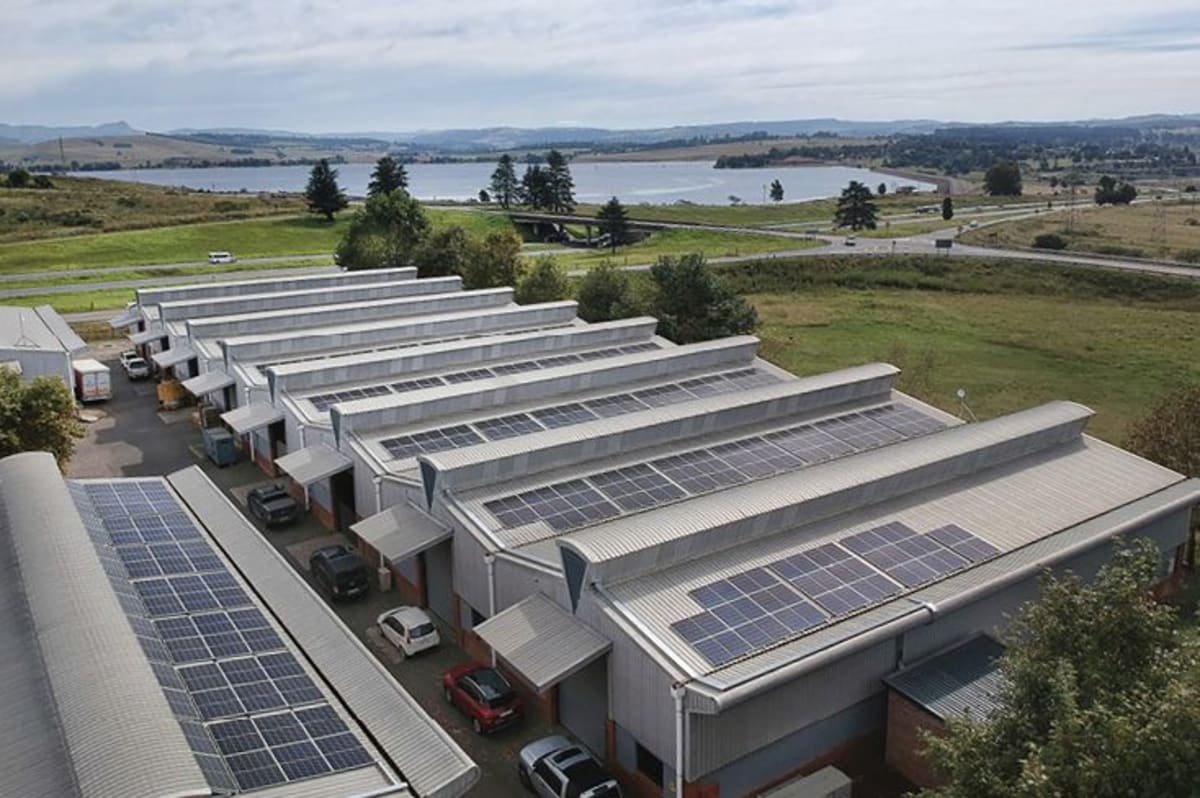
International databases focus on big government solar projects, but the real story is unfolding on factory roofs, hotels, farms, and cell towers across Africa. When researchers examined import data from China, they discovered solar expansion is nearly four times larger than official figures suggest. The modules arriving at African ports are being installed quickly, fueling a decentralized energy revolution happening outside traditional planning systems.
The math is simple and compelling. In many African countries, solar doesn't compete with grid electricity. It competes with expensive diesel generators that businesses have relied on for years during frequent power outages.
For hospitals, manufacturers, and hotels, diesel is costly, noisy, and dependent on volatile fuel prices. Solar systems with battery storage now pay for themselves in one to two years in some regions. That's not a subsidy story. That's pure business sense.
Around 85 percent of new solar capacity is going to commercial and industrial customers, not homes. Companies that need reliable power to survive are making solar a competitive advantage. Cell towers stay running. Factories keep producing. Shopping centers stay lit.
This shift is spreading rapidly beyond South Africa, the continent's largest solar market. Recent data shows 82 percent of solar modules now ship to other African countries, particularly in West and East Africa. The momentum is building across regions that have struggled with energy access for decades.
China's role has been crucial. Falling prices for solar panels and batteries from Chinese manufacturers made this economic transformation possible. As costs dropped, solar became the rational choice for businesses tired of generator bills.
The Ripple Effect
This solar revolution solves one of Africa's biggest development challenges. Lack of reliable electricity has held back economic growth for decades. Now businesses can access affordable, dependable power without waiting for grid expansion.
The transformation creates questions about state utilities, many already operating at losses. As profitable commercial customers generate their own power, utilities face revenue pressure. But several paths forward exist, including utilities becoming platforms for decentralized energy or governments funding infrastructure through new models.
The narrow focus on utility challenges misses the bigger picture. Millions of people work at businesses that can now operate reliably. Hospitals can keep vaccines cold. Manufacturers can plan production schedules. Economic opportunity expands when the lights stay on.
This isn't a future vision. It's happening now, driven by market forces and pragmatism rather than top-down planning. Africa's solar boom might prove more sustainable precisely because it's built on economic reality, not subsidies. The continent is leapfrogging traditional grid development the same way it skipped landlines and went straight to mobile phones.
More Images


Based on reporting by PV Magazine
This story was written by BrightWire based on verified news reports.
Spread the positivity!
Share this good news with someone who needs it