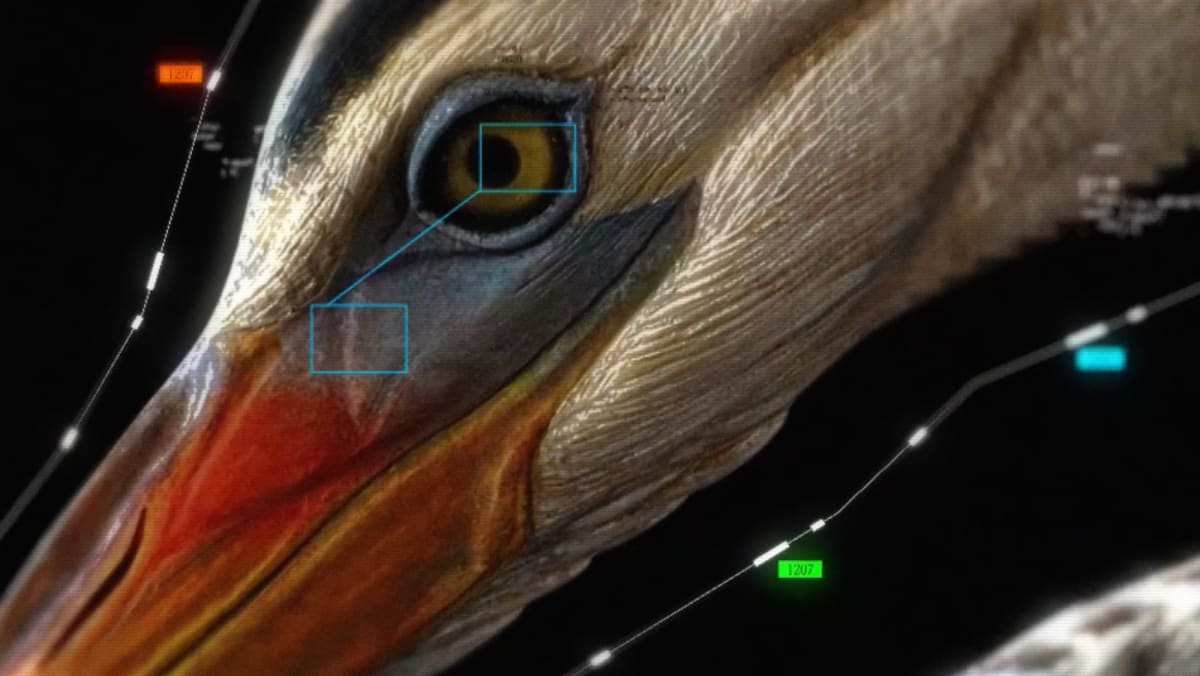
AI 'Birdwatcher' Proves Wind Farms and Wildlife Can Coexist
A new AI system is protecting birds and bats around wind turbines while giving the public real-time proof that renewable energy and wildlife can thrive together. The technology has already tracked over 2,000 birds with zero confirmed collisions.
For decades, wind energy faced an impossible choice: protect birds or produce clean power.
That dilemma just got solved. Spoor, a wildlife monitoring company, developed an AI system that tracks birds and bats around wind turbines with 95% accuracy, then automatically shuts down turbines when birds fly too close. Now they're making all that data public through a campaign called The Birdwatcher.
The numbers tell the story. In one 19-month trial at Aberdeen Bay, Spoor's cameras monitored a turbine and recorded 2,007 bird flights. The system flagged five potential collisions and confirmed zero actual strikes.
Traditional monitoring relied on people with binoculars taking notes during daylight hours. That approach left huge gaps in data, frustrated regulators, and often resulted in massive buffer zones that prevented wind farms from being built at all. Meanwhile, estimates suggest wind facilities cause hundreds of thousands to over a million bird deaths annually worldwide.
Spoor's Sky Intelligence Platform watches continuously instead. The camera system detects birds up to 1.5 kilometers away, tracks their flight paths, and identifies species in real time. When protected birds enter danger zones, the turbines slow down or stop. The whole process runs automatically, 24 hours a day.
Independent scientists tested the system against human observers and confirmed its accuracy in peer-reviewed reports. Spoor became the first company able to monitor bird activity from ocean buoys, opening up offshore wind sites to the same protection.
The Ripple Effect
Making the technology work was only half the battle. Spoor and creative agency FP7 McCANN MENAT realized the data needed to reach beyond technical reports that regulators file away.
They built an interactive website where anyone can explore actual bird flight paths around wind farms. An Instagram feed documents daily bird activity in real time. They even created physical guidebooks with augmented reality features for policymakers and community leaders.
The campaign transforms abstract concerns into visible proof. Communities near proposed wind farms can see exactly which species fly through, when they're most active, and how turbines respond. Regulators get continuous evidence instead of scattered observations. Investors can verify environmental claims with actual data.
Ask Helseth, Spoor's CEO, put it simply: "The data shows coexistence is achievable, and it should no longer sit buried in reports that most people never read."
The timing matters. Climate goals require massive expansion of wind energy, but wildlife protection regulations often slow or block new projects. The Birdwatcher proves we don't have to choose between clean energy and protecting nature. With better intelligence, we can have both.
Based on reporting by Google News - Wind Energy
This story was written by BrightWire based on verified news reports.
Spread the positivity!
Share this good news with someone who needs it