AI Model Predicts Disease Spread in Nursing Homes, Cruise Ships
Scientists created an AI tool that tracks how diseases spread in places like cruise ships and care homes, helping stop outbreaks before they spiral. The system can predict who will get sick next and suggest exactly when to clean surfaces or isolate patients.
When COVID-19 swept through cruise ships and nursing homes, health officials struggled to contain the invisible threat. Now researchers have built an AI model that can predict exactly how diseases spread in confined spaces and stop outbreaks in their tracks.
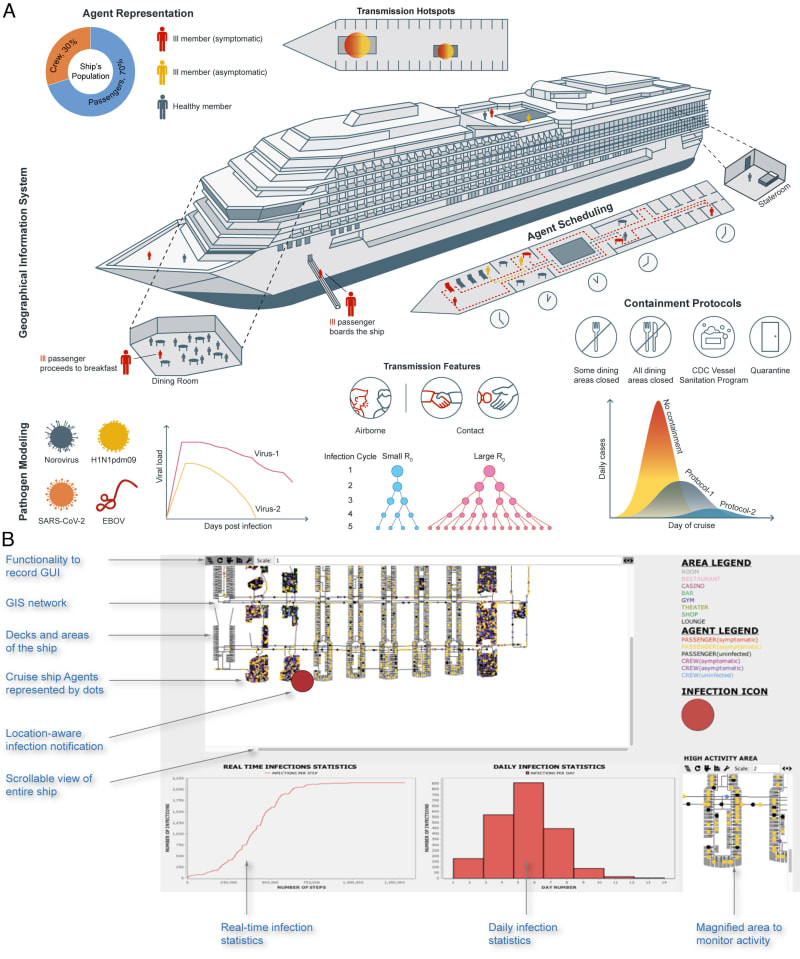
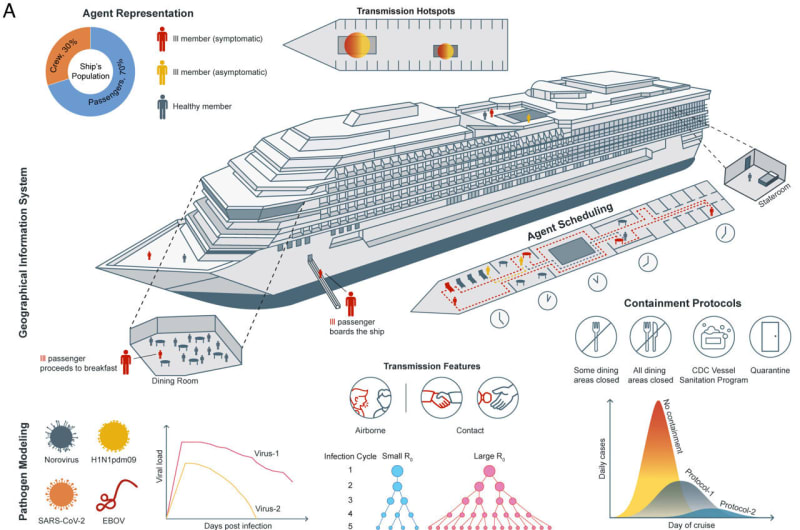
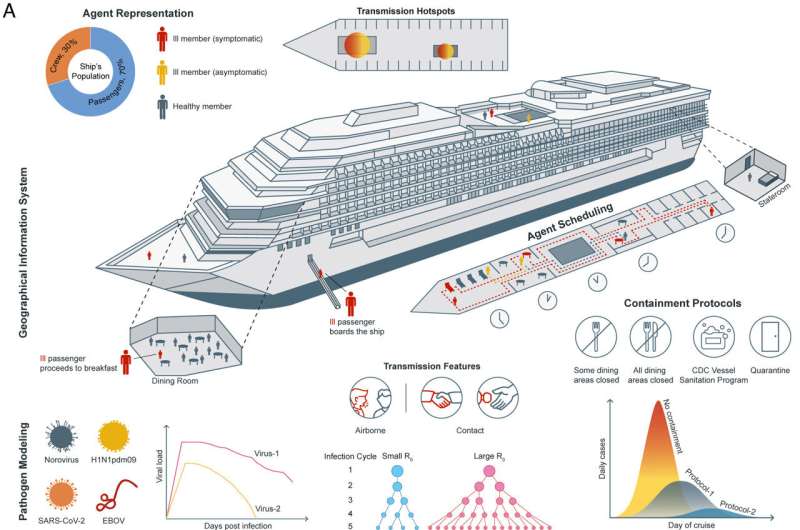
The AI-GIS Infection Dynamics system tracks individual people as they move through buildings, predicting who will catch what and when. Unlike older models that looked at broad population averages, this tool simulates each person's movements and calculates their infection risk from shared air, touched surfaces, and close contact.
Scientists from Worcester Polytechnic Institute, Stanford University, and UMass Chan Medical School tested the system using real outbreak data. The model successfully predicted infection patterns and identified which prevention measures would work best for specific diseases.
The tool considers each pathogen's unique biology. A virus that spreads through air needs different containment strategies than one that spreads through surfaces. The AI calculates optimal timing for wearing masks, when to isolate sick people, how often to clean high-touch areas, and where to restrict movement.
The researchers published their findings in the Proceedings of the National Academy of Sciences. Their peer-reviewed study shows the model can run in real time, giving facility managers actionable guidance as outbreaks unfold.
The Bright Side: This technology could transform how we protect vulnerable populations in care facilities, hospitals, and other confined environments. Instead of guessing which precautions might work, staff can follow personalized, data-driven strategies tailored to the specific disease they're fighting.
The system arrived too late to prevent early pandemic disasters on cruise ships like the Diamond Princess, where over 700 people caught COVID-19. But it stands ready for future outbreaks, giving health workers a crystal ball that actually works.
Future applications could extend beyond infectious diseases. The same tracking technology might help optimize ventilation systems, design safer buildings, or manage crowds during emergencies.
For the 1.4 million Americans living in nursing homes and countless others in hospitals, prisons, and group facilities, this AI guardian could mean the difference between a contained case and a devastating outbreak.
More Images

Based on reporting by Medical Xpress
This story was written by BrightWire based on verified news reports.
Spread the positivity!
Share this good news with someone who needs it