AI Reveals Ocean Algae Blooms Growing 13% Each Year
Scientists used artificial intelligence to scan 1.2 million satellite images and discovered that floating algae blooms are expanding across the world's oceans, creating new marine habitats. The breakthrough technology revealed a 13.4% yearly increase in some regions, marking a historic shift in ocean ecosystems.
For the first time ever, researchers have mapped every floating algae bloom across the entire planet, and the results show our oceans are transforming in ways that could help marine life thrive.
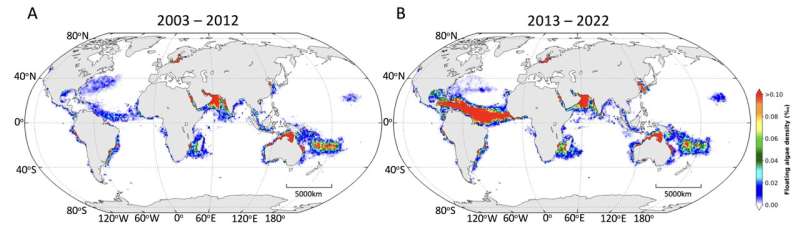
Scientists at the University of South Florida and NOAA trained an AI system to analyze two decades of satellite images, processing data that would have been impossible to review by human eyes alone. The computer scanned 1.2 million ocean photographs, learning to spot tiny features that signal algae floating on the water's surface.
What they found surprised them. Between 2003 and 2022, macroalgae like seaweed increased by 13.4% per year in the tropical Atlantic and western Pacific. The global ocean appears to be shifting from an algae-poor environment to an algae-rich one, according to oceanographer Chuanmin Hu.
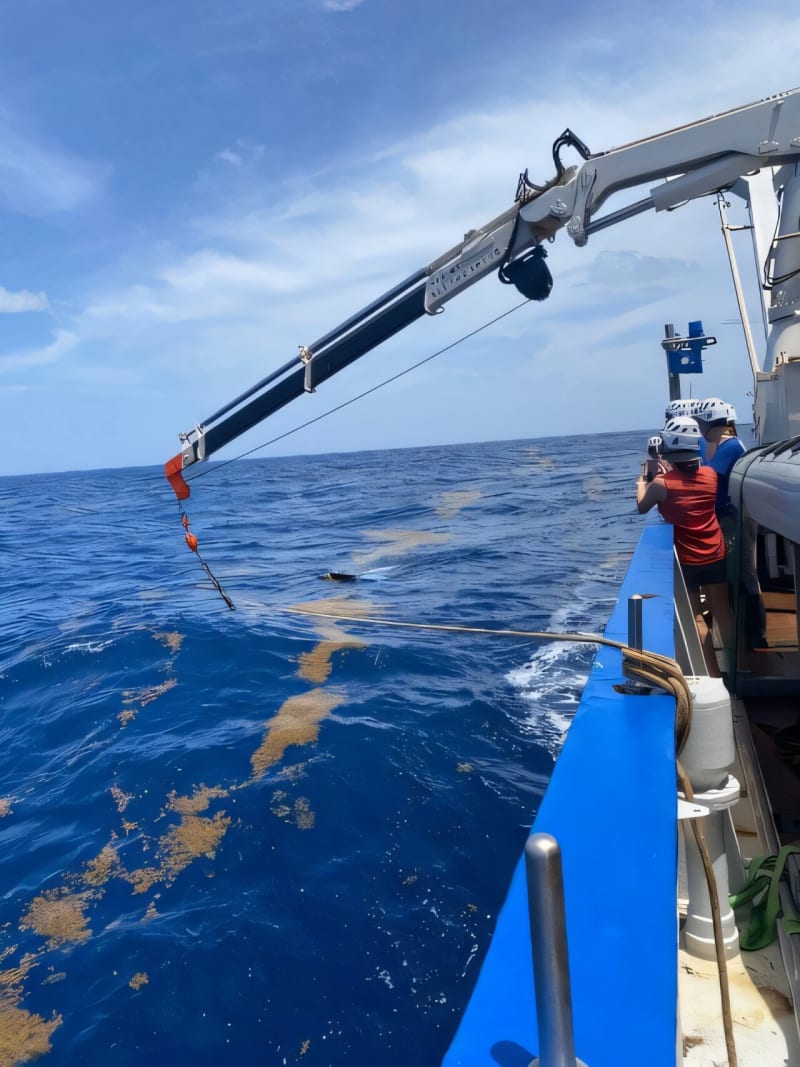
The change represents a double-edged sword for ocean ecosystems. In open water, these floating algae mats create valuable habitat for marine species, functioning as nurseries where fish and other creatures find shelter and food. Countless species depend on these floating forests for survival.
The study identified major tipping points starting around 2008. Before that year, no significant macroalgae blooms occurred outside the historic Sargasso Sea. Then green seaweed bloomed in the Yellow Sea in 2008, brown sargassum filled the tropical Atlantic in 2011, and another sargassum bloom appeared in the East China Sea in 2012.
The research team spent months training their AI model to recognize algae patterns. Even with powerful computing systems processing multiple image groups simultaneously, analyzing all 1.2 million satellite photos still took several months to complete.
The Bright Side
This breakthrough shows how artificial intelligence can help us understand massive environmental changes that were previously invisible. The technology transforms overwhelming amounts of data into clear pictures of what's happening in our oceans.
The expanding algae also means more habitat for marine life in the open ocean. These floating mats serve as critical nurseries for fish species, potentially supporting healthier fisheries and more abundant ocean ecosystems in the years ahead.
Researchers credited ocean warming and changing currents for the bloom expansions, though the specific causes vary by region. The team plans to continue monitoring these changes using their AI system, building better understanding of how and why these vital ocean habitats are growing.
Scientists now have a powerful new tool for watching over our oceans and the life they support.
More Images
Based on reporting by Phys.org
This story was written by BrightWire based on verified news reports.
Spread the positivity!
Share this good news with someone who needs it