AI Turns Wastewater Into Clean Hydrogen Fuel
Scientists used artificial intelligence to transform dirty wastewater into green hydrogen, the clean fuel of the future. This breakthrough could help save drinking water while fighting climate change.
What if the answer to cleaner energy was hiding in our sewage? An international team of scientists just figured out how to use artificial intelligence to turn wastewater into green hydrogen fuel more efficiently than ever before.
Researchers from the University of Malaga in Spain teamed up with colleagues from Vietnam, South Korea, India, and Taiwan to crack a tricky problem. They wanted to optimize dark fermentation, a process where microscopic organisms break down waste in water to create bio-hydrogen fuel.
The challenge was that this process has been hard to control and too expensive for widespread use. Too many variables affected whether it worked well or not.
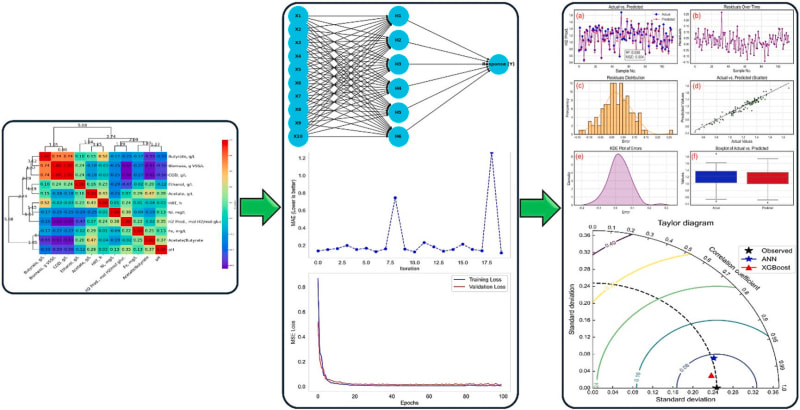
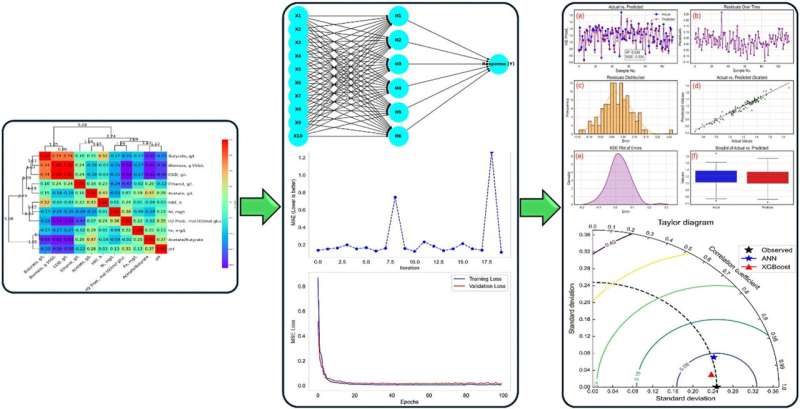
Enter artificial intelligence. The team built smart computer models that could predict exactly how to make the process work better. These AI systems learned patterns from real-world test data, then figured out the perfect conditions for maximum hydrogen production.
The results were published in the journal Energy and show genuine promise. The AI-assisted method saves both time and money while producing more clean fuel from wastewater than traditional approaches.
Professor Enrique Rodríguez Castellón, one of the study's authors, explains why this matters. Hydrogen is already essential in chemical and metallurgical industries, and it's becoming a key player in moving the world away from fossil fuels.
Using wastewater to create this fuel solves multiple problems at once. It saves precious drinking water, puts waste to productive use, and reduces our dependence on fossil resources.
The Ripple Effect
This breakthrough arrives at a crucial moment. Cities worldwide struggle with water scarcity while racing to find clean energy alternatives. A technology that addresses both challenges simultaneously could reshape how we think about waste.
The AI models don't just make more hydrogen. They also minimize leftover organic waste from the process itself, making the entire system more sustainable. What once seemed like garbage becomes a stepping stone toward cleaner air and conserved water.
Other research teams are already building on these findings. The machine learning approach used here could apply to other chemical processes that have been too complex to optimize by hand.
The technology still needs to scale up from laboratory to industrial use. But the path forward is now much clearer thanks to artificial intelligence showing scientists exactly which knobs to turn.
Tomorrow's fuel might come from today's wastewater, and that's a beautiful kind of alchemy.
More Images


Based on reporting by Phys.org - Technology
This story was written by BrightWire based on verified news reports.
Spread the positivity!
Share this good news with someone who needs it