All 5 DNA Building Blocks Found on Space Rock Ryugu
Scientists discovered all five building blocks of DNA on asteroid Ryugu, suggesting the ingredients for life might be common throughout our solar system. The findings support the possibility that life's essential components could have arrived on Earth from space.
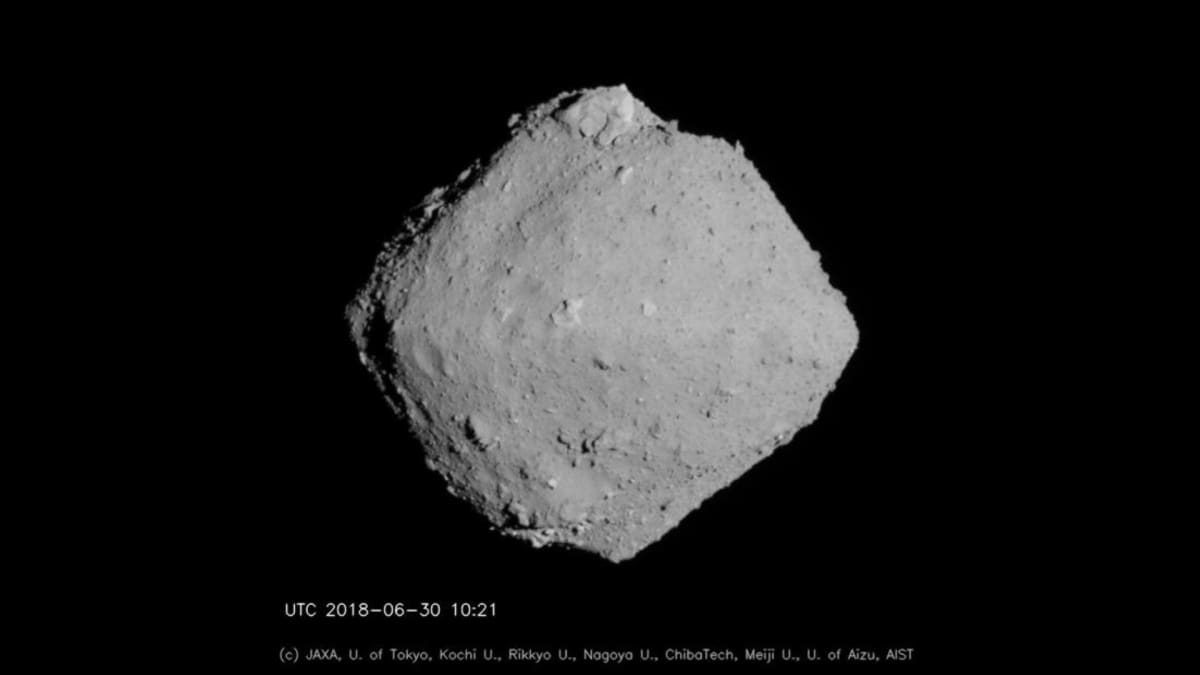
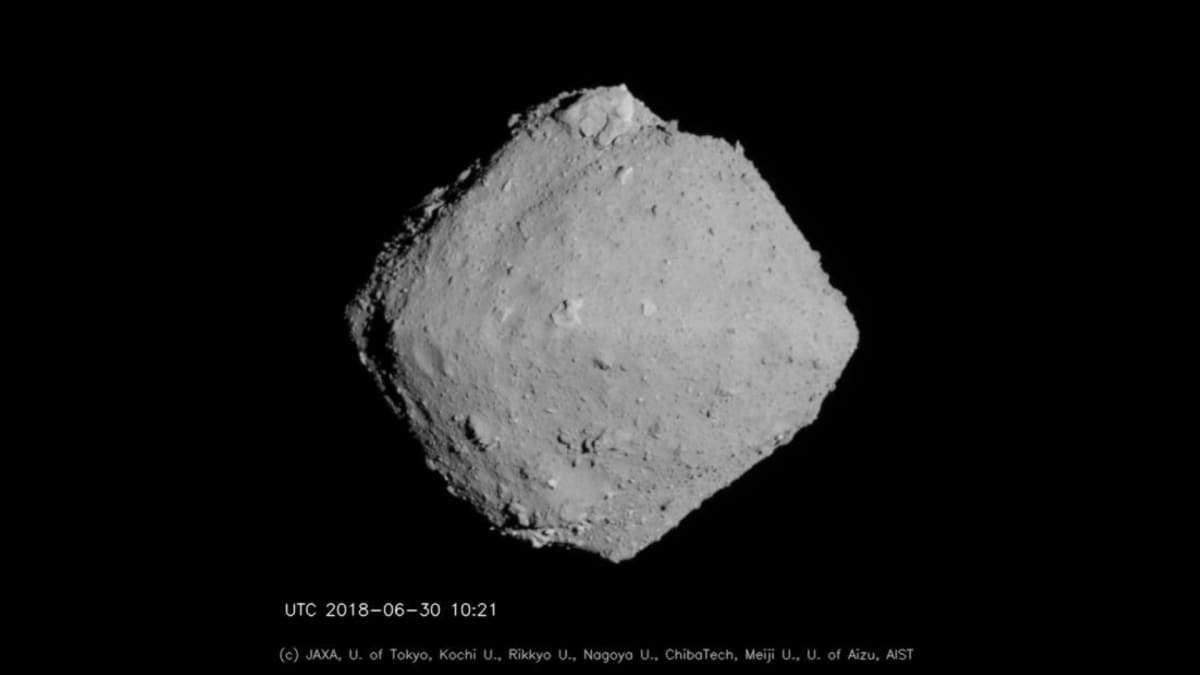
Scientists just found something remarkable on a spinning-top-shaped asteroid hurtling through space. All five nucleobases that make up DNA and RNA were detected on asteroid Ryugu, adding powerful evidence that the building blocks of life exist throughout our solar system.
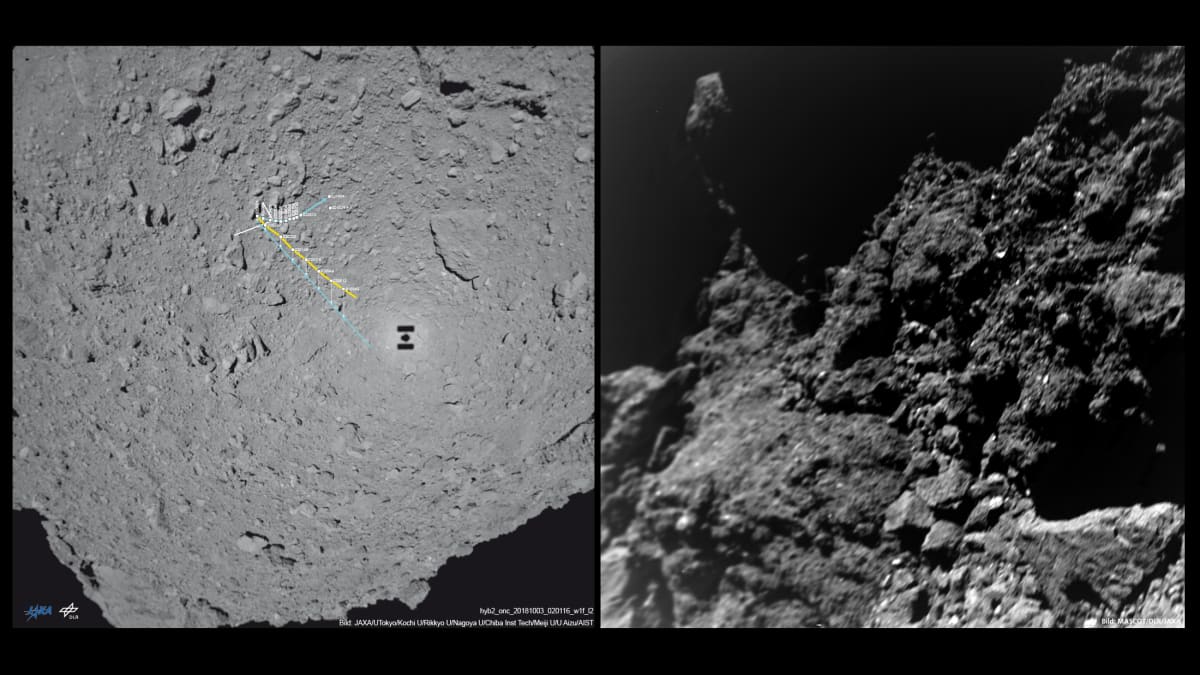
The discovery came from samples collected by Japan's Hayabusa2 spacecraft, which landed on the 3,000-foot-wide asteroid in 2019. The spacecraft scooped up just 5.4 grams of dust before returning to Earth in 2020, but that tiny amount has unlocked huge insights.
Researchers identified all five nucleobases: adenine, guanine, cytosine, thymine, and uracil. These natural compounds combine with ribose and phosphate to form DNA and RNA, the genetic foundations of all life on Earth. The finding doesn't mean life existed on the asteroid itself, but it shows that space rocks can create and preserve molecules essential for life's chemistry.
This marks the second asteroid found carrying the complete set of DNA building blocks. NASA discovered the same nucleobases on asteroid Bennu in 2023, and scientists have also found them on meteorites that crashed to Earth. Together, these findings paint an exciting picture of nucleobases being widespread across our cosmic neighborhood.
The discovery fuels a fascinating theory about life's origins. While some scientists believe life started on Earth in places like deep-sea vents, others think the building blocks might have been delivered here by asteroids or comets billions of years ago.
Why This Inspires
What's truly amazing is how common these life ingredients appear to be. The researchers used advanced techniques to analyze the Ryugu samples more thoroughly than ever before, finding equal amounts of both types of nucleobases. This balance differs from other asteroids and meteorites studied, suggesting diverse chemical environments exist across the solar system.
"We have a very clear idea of which organic materials can form under prebiotic conditions anywhere in the universe," said César Menor Salván, an astrobiologist not involved in the study. These aren't just random molecules floating in space. They're the same fundamental components that exist in every living thing on our planet.
The samples also contained 15 amino acids, the foundation of proteins, discovered during preliminary analysis in 2023. Each new finding builds our understanding of how widespread life's ingredients truly are.
Every time we send spacecraft to touch an asteroid and bring back samples, we're essentially reading a message written billions of years ago. These ancient rocks preserve the chemistry of our early solar system, showing us what materials were available when Earth was just forming. The fact that they're carrying DNA building blocks suggests the universe might be primed for life in ways we're only beginning to understand.
More Images


Based on reporting by Google News - Science
This story was written by BrightWire based on verified news reports.
Spread the positivity!
Share this good news with someone who needs it