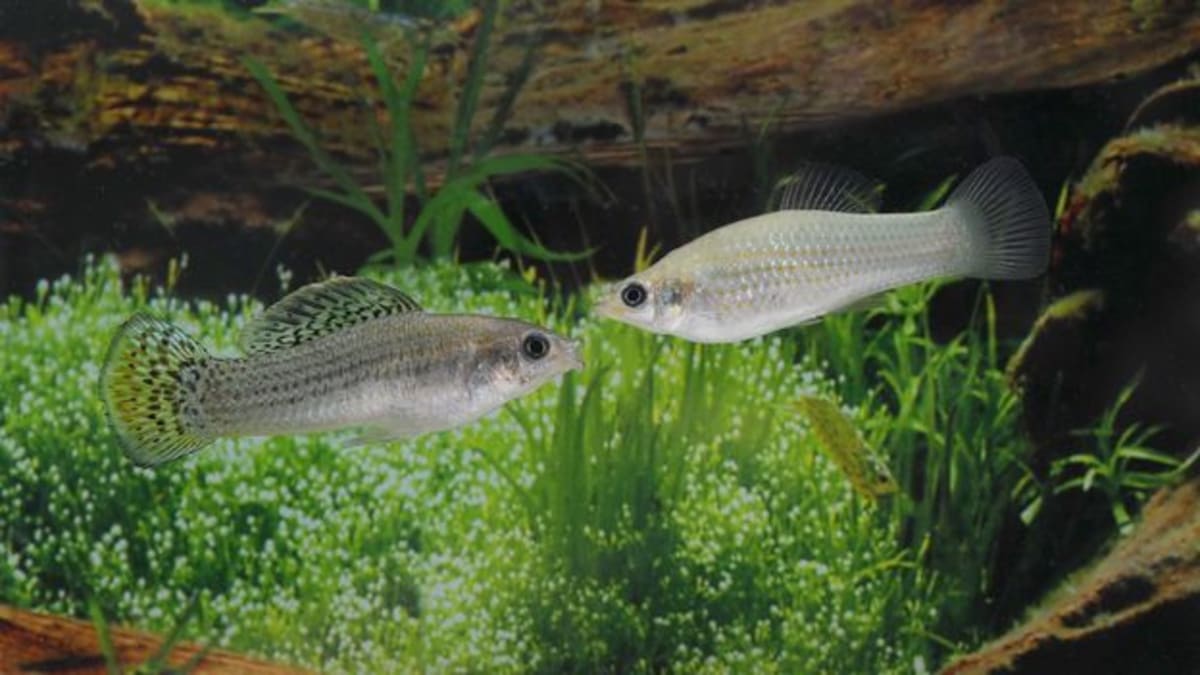
All-Female Fish Thrives 100,000 Years Without Males
The Amazon molly has survived for 100,000 years producing only clones of itself, defying evolutionary theory that predicted its extinction. Scientists are now discovering how asexual species stay genetically healthy, challenging everything we thought we knew about reproduction.
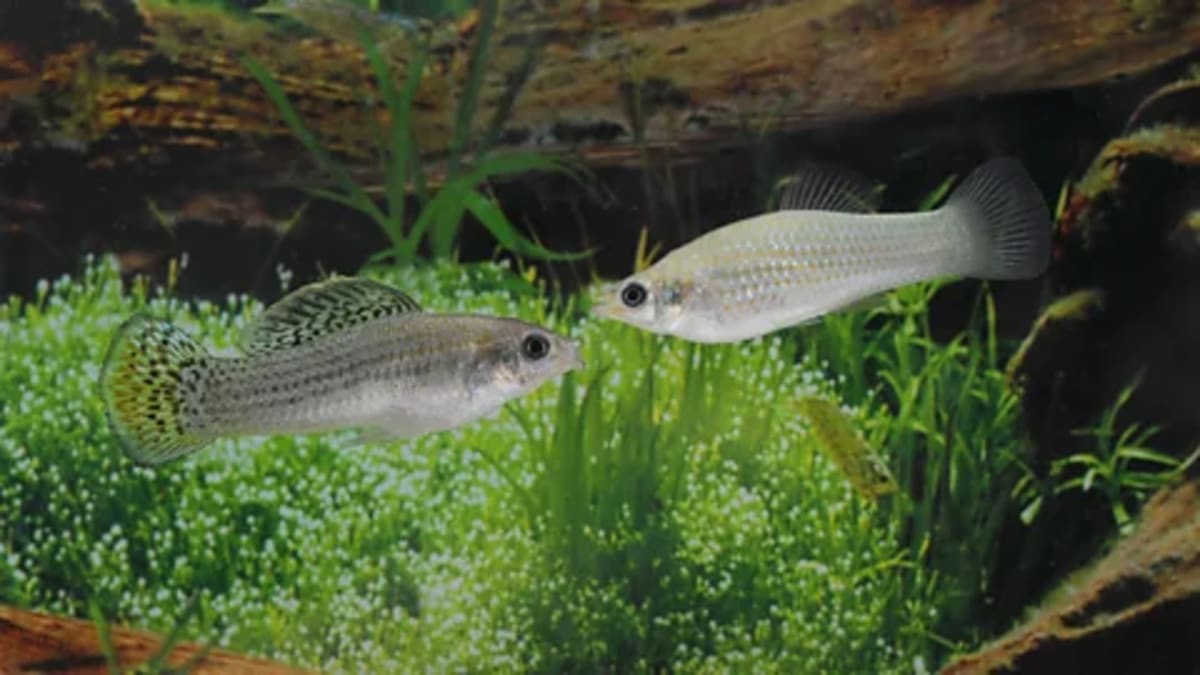
A small silver fish swimming in Mexican rivers is rewriting what scientists thought they knew about survival. The Amazon molly has thrived for 100,000 years without a single male of her species, and researchers are finally understanding how.
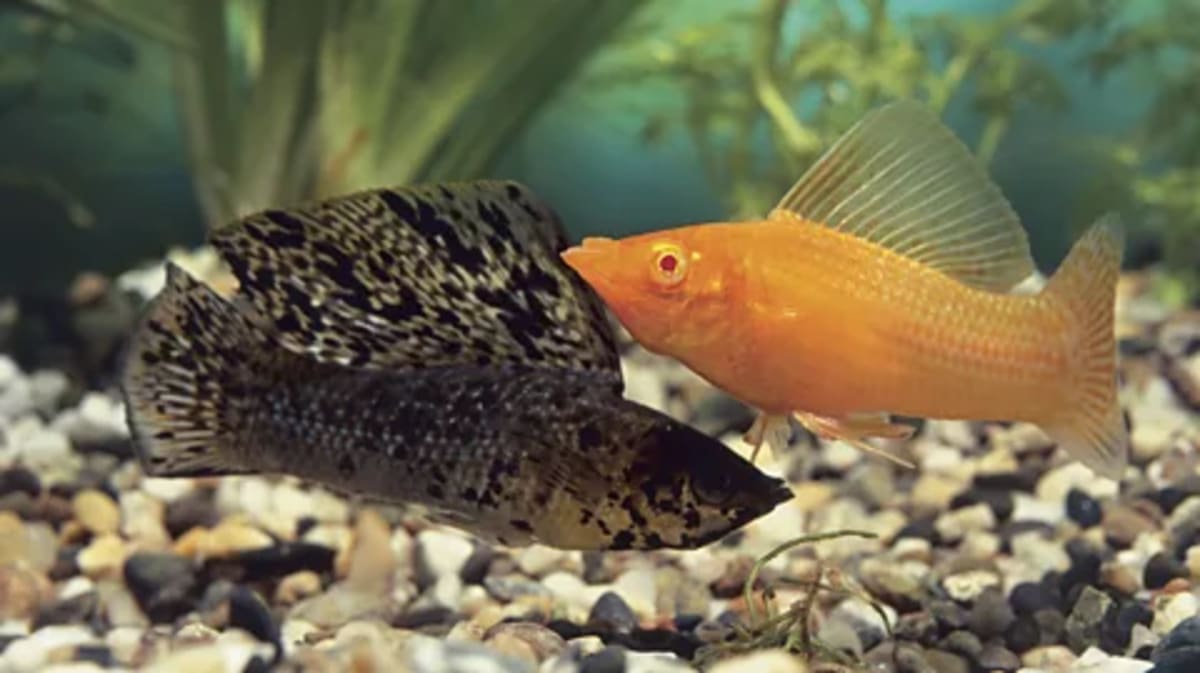
Named after the legendary all-female warriors, the Amazon molly uses an unusual trick called gynogenesis. She mates with males from closely related species, but immediately discards their DNA and produces only daughters that are clones of herself.
This shouldn't work. Evolutionary theory says asexual species should quickly go extinct because harmful mutations build up in their genomes over time, like a ratchet that only turns one way.
"Sexual reproduction is a pretty weird and complicated way to reproduce, right?" says Edward Ricemeyer, a computational biologist at Ludwig Maximilian University of Munich. It requires finding a mate, competing for attention, and only passing on half your genes.
Asexual reproduction sounds like the better deal. You keep 100% of your genes and skip the dating drama entirely.
Yet across all life on Earth, sex dominates. "If you look at the overall picture, it's 99.9% sex," says evolutionary biologist Dave Speijer from the University of Amsterdam.
The reason is genetic variety. When two parents reproduce sexually, their DNA shuffles together like a deck of cards, creating unique combinations in each offspring. This genetic mixing helps species adapt and removes harmful mutations from the gene pool.
Without this shuffling, DNA copying errors should accumulate generation after generation until the species collapses. The Amazon molly should have been extinct millennia ago.
Why This Inspires
The Amazon molly's survival is revealing something profound about life's resilience. New research shows that asexual species may have alternative ways of keeping their genomes healthy that scientists are only beginning to understand.
Speijer suggests the confusion stems from misinterpreting the theory. "Muller's ratchet doesn't say, 'Hey, if you don't have sex, then you'll get mutational meltdown,'" he explains. Instead, any living system must manage genetic mistakes somehow, and sex is just one strategy.
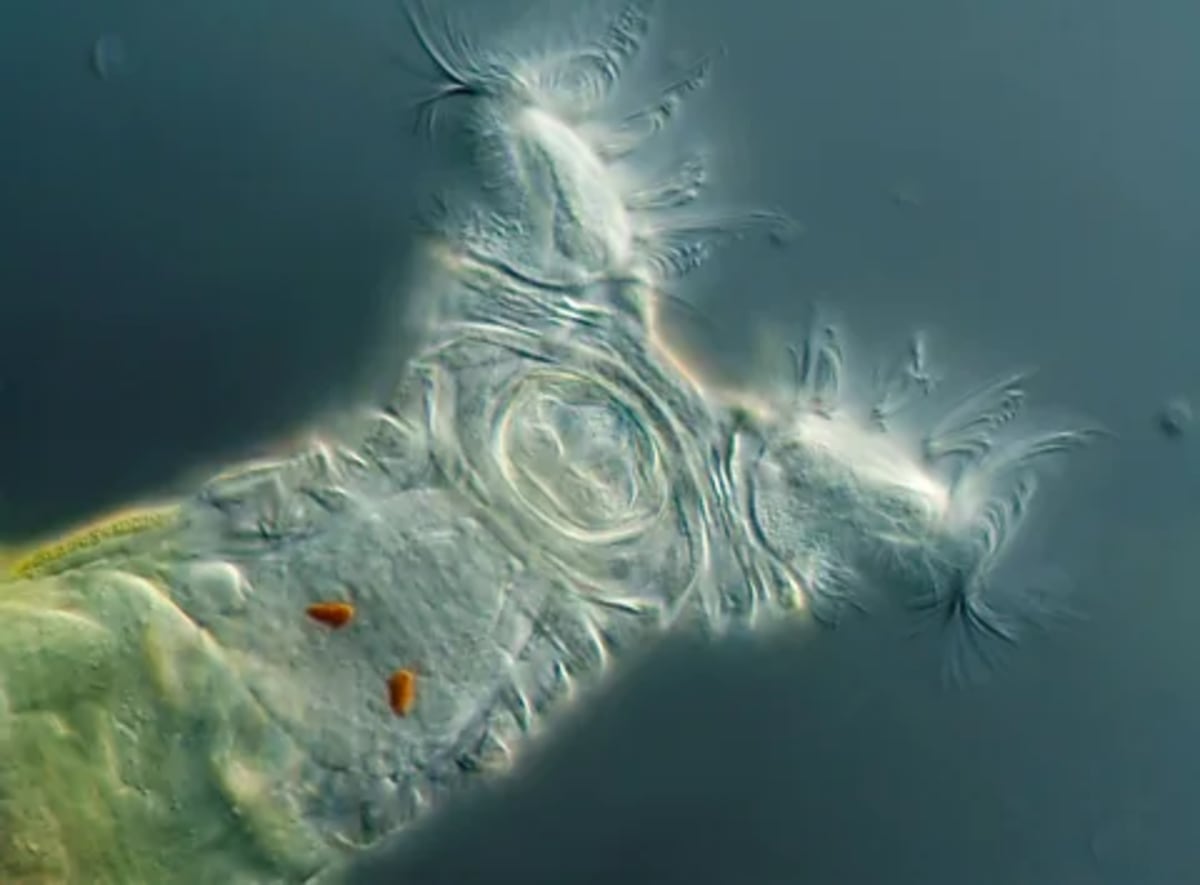
The Amazon molly isn't alone in this exclusive club. Tiny bdelloid rotifers have survived without sex for millions of years, and certain stick insects have persisted asexually far longer than expected.
These creatures aren't breaking evolutionary rules. They're finding creative alternatives, showing that life is more flexible and inventive than our theories predicted.
The discovery matters beyond understanding one peculiar fish. It reveals that nature has multiple pathways to survival, some we haven't even imagined yet.
More Images

Based on reporting by BBC Future
This story was written by BrightWire based on verified news reports.
Spread the positivity!
Share this good news with someone who needs it

%2Fhttps%3A%2F%2Ftf-cmsv2-smithsonianmag-media.s3.amazonaws.com%2Ffiler_public%2F46%2Ff1%2F46f18bd2-beb5-4922-9fa0-6f5d63e35951%2Fwilliston-lake.jpg)