Amsterdam's 142-Year-Old Aquarium Reopens After $54M Revival
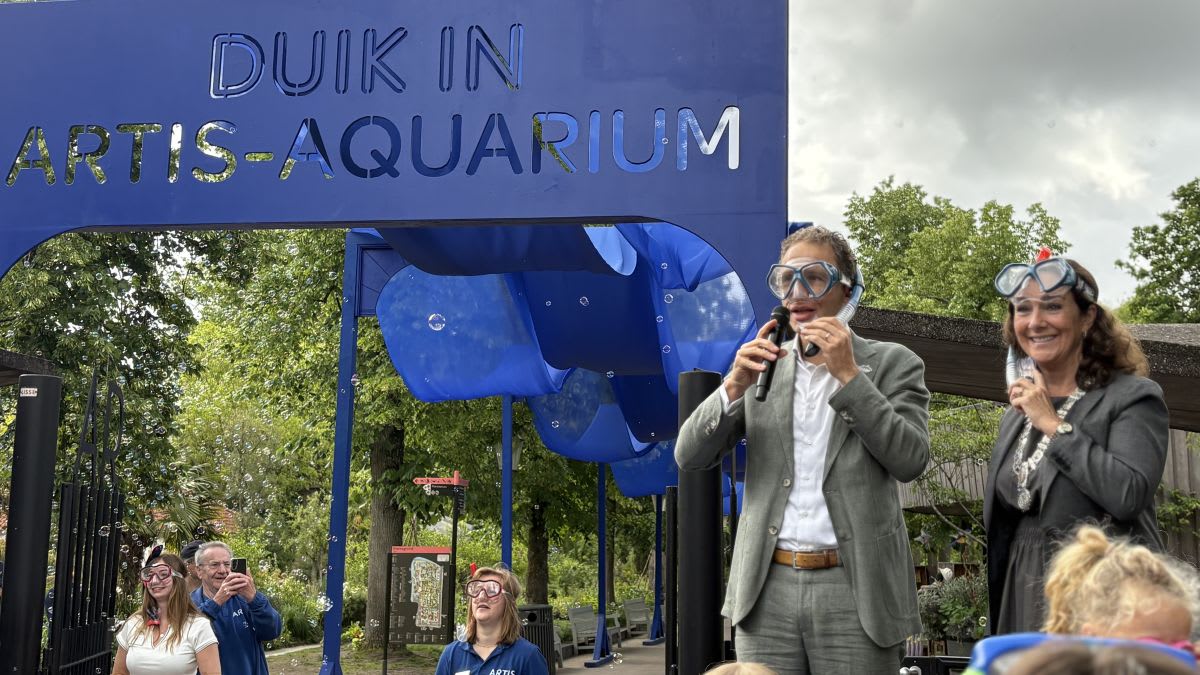
One of the world's oldest aquariums just welcomed visitors back after a five-year, €50 million restoration saved the crumbling 1882 Amsterdam landmark. More than 100 biologists, curators, and engineers transformed the saltwater-damaged monument into a stunning tribute to water and marine life.
The walls of Amsterdam's historic Artis aquarium were literally dissolving from the inside out. After 140 years, salt from the tanks had eaten through concrete and steel until the building was no longer safe to enter.
But on Saturday, the 1882 landmark reopened its doors with a complete transformation that turned disaster into hope.
The five-year project brought together over 100 experts who demolished and rebuilt the saltwater section from the ground up. They preserved the building's Victorian soul while giving it 21st-century strength.
"Everything in the middle was gone," said Anne van Dijk, head of the Artis aquarium. "You could look from downstairs all the way up through the roof."
The team rebuilt the tanks using self-healing concrete embedded with bacteria that automatically repair cracks when they touch water. The innovative material means the aquarium can survive another century without the salt damage that nearly destroyed it.
Visitors can now explore 250 species across interactive galleries, from poison dart frogs in the Amazon exhibit to European eels gliding through a recreation of Dutch canal life. A tropical tank showcases clown triggerfish among coral reefs, while cuttlefish and short-tail nurse sharks patrol larger spaces than the original Victorian tanks allowed.
The restoration preserved the aquarium's original filtration system designed by British aquarist William Alford Lloyd. It's the last working system of its kind anywhere in the world, and now 90% of the building is accessible, including the atmospheric catacombs housing the historic filters.
The new theme centers on water as both life-giver and potential threat. Van Dijk explained how the building's near-collapse mirrors a larger message about climate and conservation.
"Water is our closest friend, something we need, but it's also what destroyed the building," she said. "If we don't take care of water well enough, it's going to be one of the biggest challenges we have to face."
The Ripple Effect
The project earned Artis recognition as a professional monument conservation organization in 2025. The techniques developed here, especially the self-healing concrete, could help preserve historic buildings worldwide that face similar water damage.
Interactive exhibits let visitors build submarines, observe ocean currents, and peer through microscopes at marine microbes. A gallery on microplastics opens later this year, showing how washing machine fibers end up in the ocean.
The canal gallery reveals the hidden underwater world beneath Amsterdam's famous grachten, home to eels, crabs, and algae most residents never see. "Water is like a mirror; you cannot really look into it from above," Van Dijk said.
The aquarium welcomes visitors daily from 9am to 6pm, proving that even buildings crumbling from the inside can be reborn stronger than before.
Based on reporting by Dutch News
This story was written by BrightWire based on verified news reports.
Spread the positivity!
Share this good news with someone who needs it