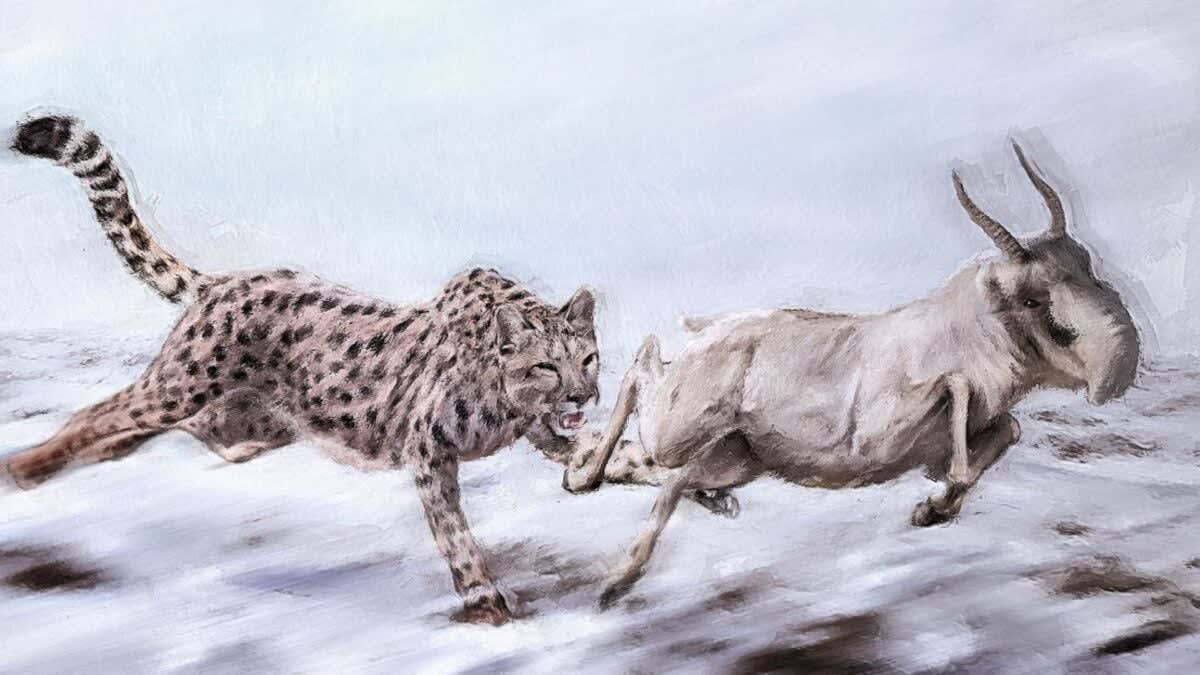
Ancient 'American Cheetah' Was Actually a Fish-Eating Puma
Scientists just discovered that the "American cheetah" wasn't a cheetah at all, but a remarkably adaptable puma relative that even learned to catch fish in the Arctic. This ancient cat's incredible flexibility is rewriting what we know about Ice Age predators.
Imagine a big cat so adaptable it could sprint across grasslands and pluck salmon from frozen rivers depending on where it lived.
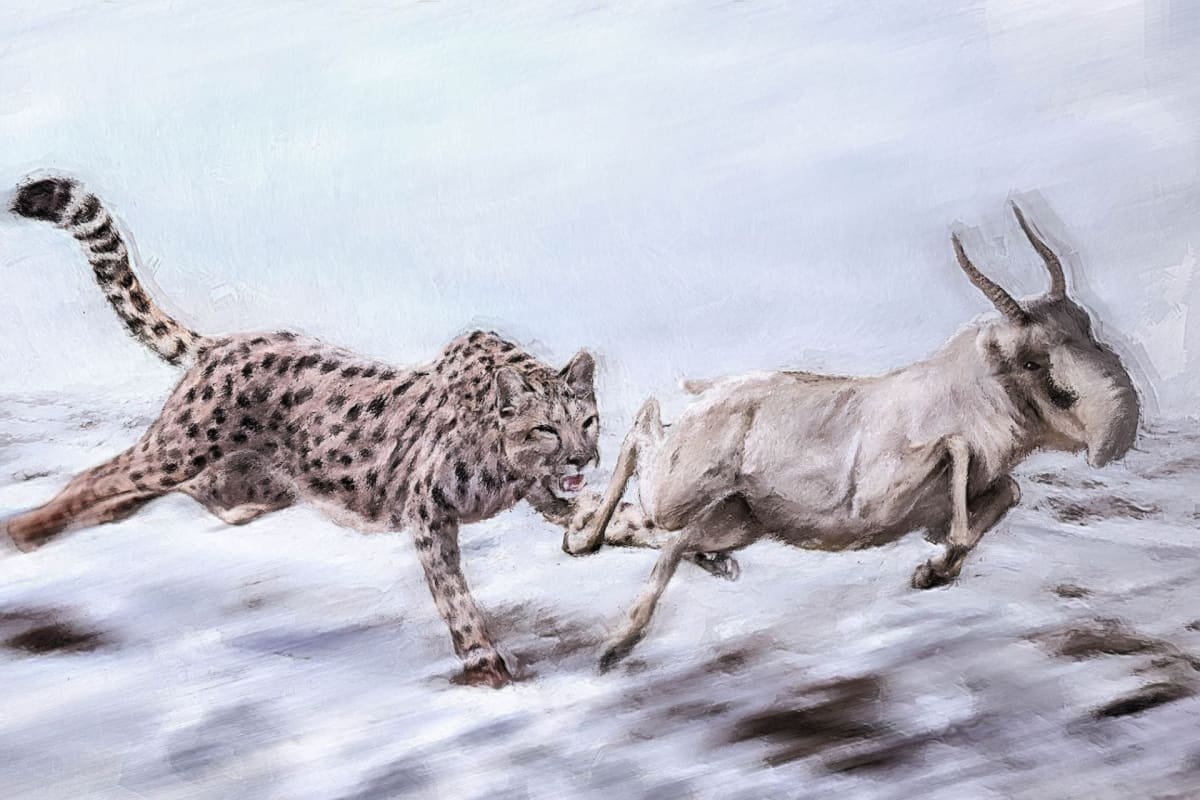
Scientists just solved a 45-year mystery about Miracinonyx trumani, commonly called the American cheetah. New DNA evidence published in Current Biology confirms this extinct predator wasn't actually related to cheetahs at all. It was a sister species to the modern puma that split off about 2.6 million years ago.
The confusion started in 1979 when researchers first described the species. This ancient cat had long legs and large sinuses, traits perfect for high-speed chases, so scientists naturally assumed it was America's answer to the African cheetah. But DNA doesn't lie.
The real surprise came when researchers found 23,000 to 31,000-year-old fossils in the Arctic Yukon, a region heading into the Last Glacial Maximum. No one expected to find American cheetahs that far north, much less thriving there.
Lead researcher Molly Cassatt-Johnstone from UC Santa Cruz was studying what she thought were puma fossils. "We were super surprised when we found out they weren't pumas, they were American cheetahs," she told reporters. The discovery completely changed the map of where this species lived.
Here's where it gets really cool. While their southern cousins in Wyoming and Florida chased prey across grasslands, these northern populations completely changed their menu. Isotope analysis revealed they specialized in eating fish, likely using their powerful front legs to snatch salmon right out of the water.
The Bright Side
This discovery showcases nature's incredible creativity. The same species that evolved cheetah-like features for speed on the plains also figured out how to become skilled fishers in the Arctic. That kind of adaptability is rare and impressive.
"These cats are incredibly flexible," Cassatt-Johnstone explained. "They're able to engage with their ecosystem in very different ways, depending on where they live and what resources are around them." It's a reminder that survival isn't about being the fastest or strongest, but about being able to adapt.
The findings also breathe new life into our understanding of Ice Age ecosystems. Adding a new carnivore to the well-studied Beringia ecosystem gives scientists fresh insights into how animals survived during one of Earth's harshest periods.
This ancient cat proves that labels don't always fit and that nature's solutions to survival are endlessly creative.
More Images


Based on reporting by Google News - Science
This story was written by BrightWire based on verified news reports.
Spread the positivity!
Share this good news with someone who needs it