Ancient Tower Fossils May Be 7th Kingdom of Life
Scientists studying 400-million-year-old fossils now believe towering Prototaxites organisms might represent an entirely new kingdom of life, equal to plants, animals, and fungi. These telephone pole-sized structures ruled Earth before trees existed.
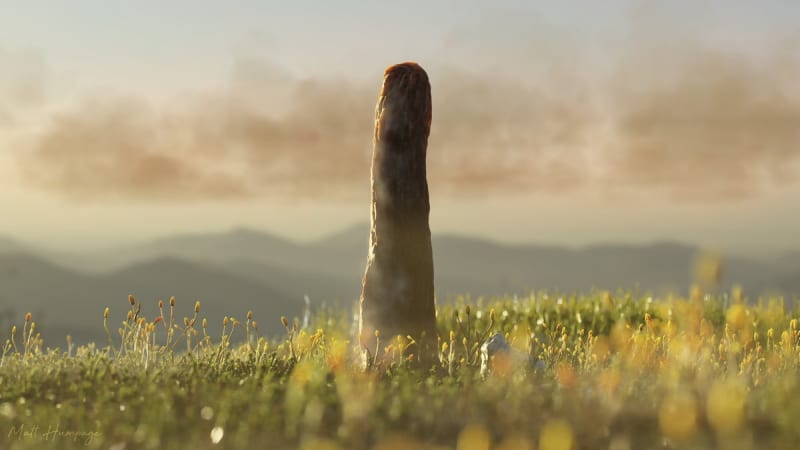
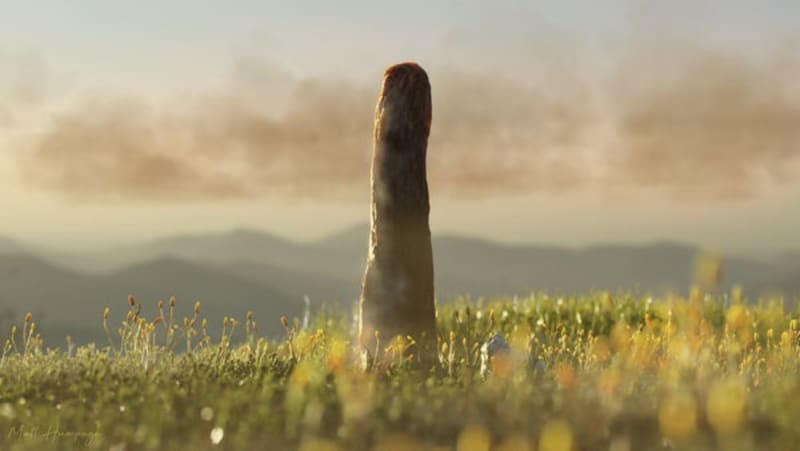
Imagine a world without trees, where 25-foot-tall spires dominated the landscape like ancient skyscrapers. Scientists just discovered these mysterious giants might be something life on Earth has never seen before or since.
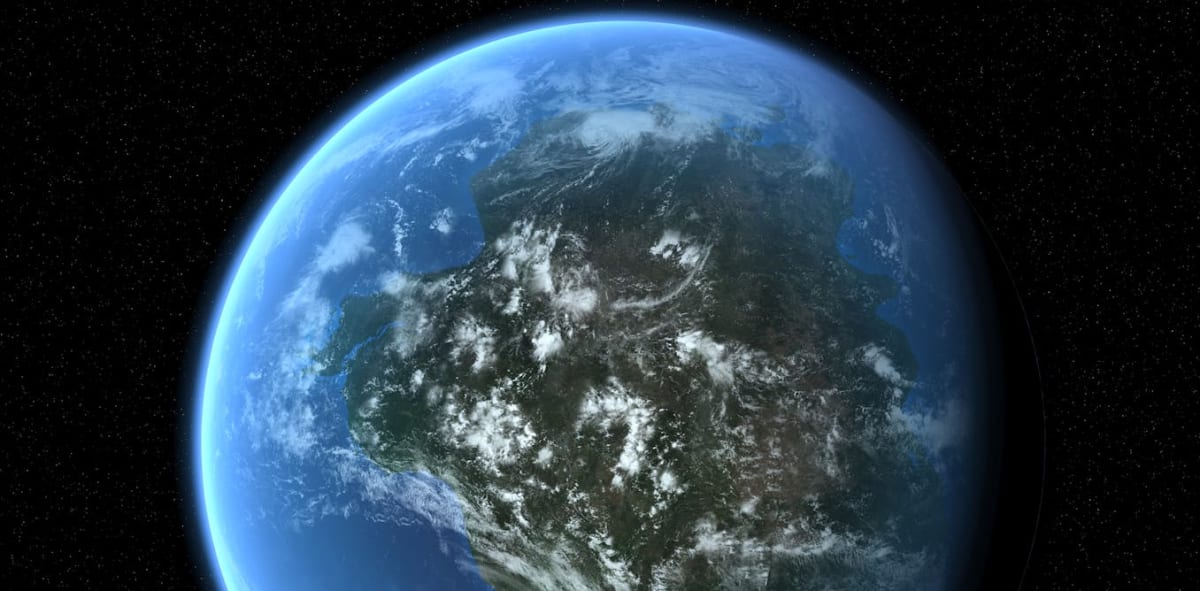
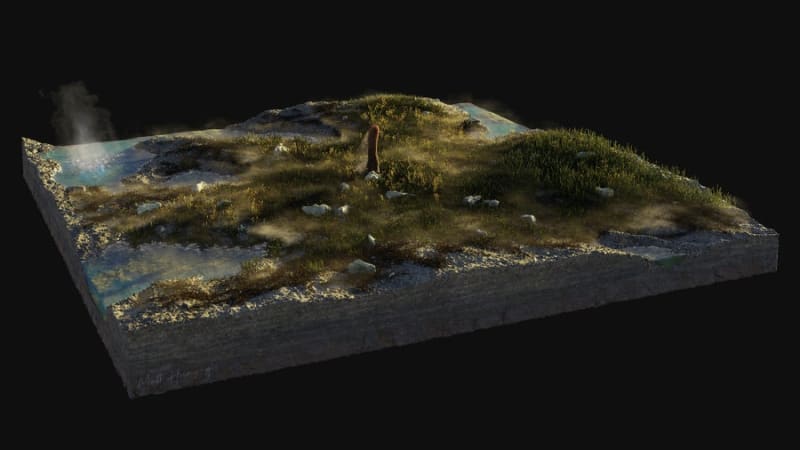
Before trees evolved 400 million years ago, strange tower-shaped organisms called Prototaxites loomed over ankle-high plants. Since their discovery in 1843, researchers have struggled to figure out what they actually were.
A new study published in Science Advances suggests Prototaxites might belong to its own kingdom of life. That would make it as unique as plants, animals, fungi, protists, bacteria, and archaea—the six currently recognized kingdoms.
Scientists first examined these biological misfits in 1855 and named them "early yew" even though they clearly weren't trees. Over decades, researchers wondered if they were giant mushrooms or land-based kelp, but nothing fit quite right.
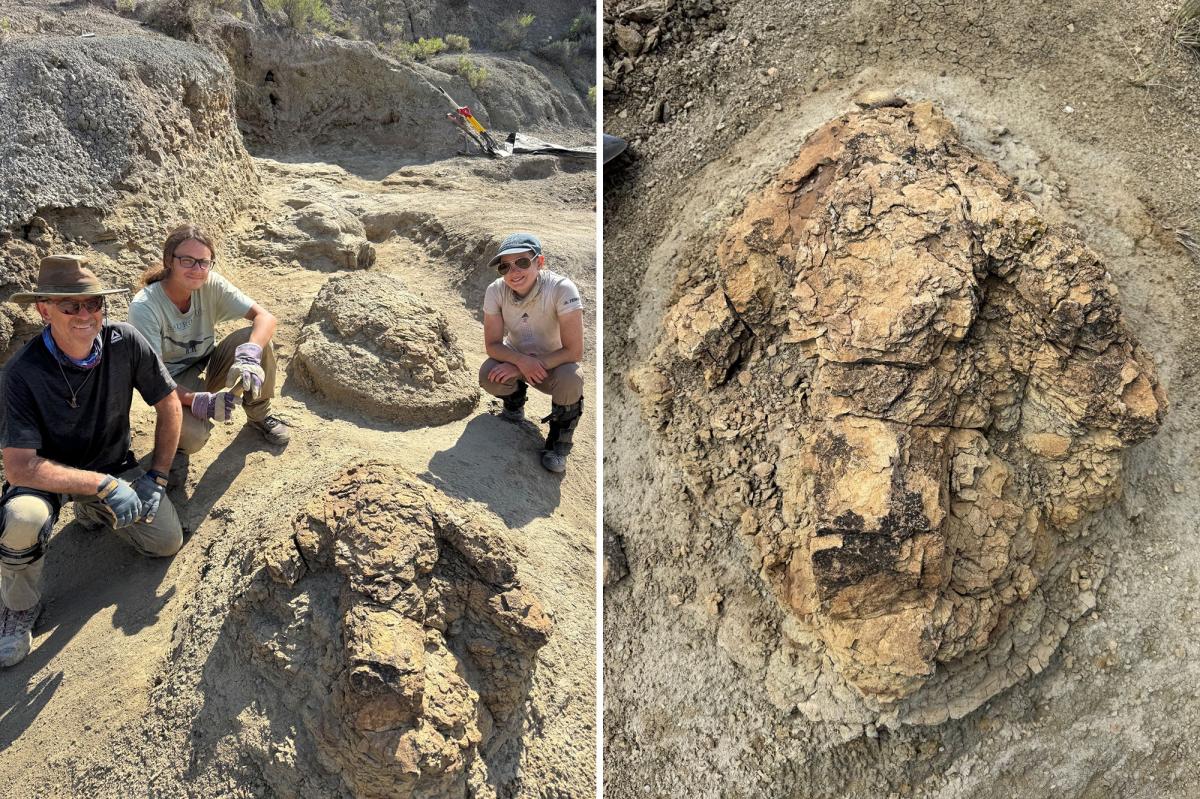
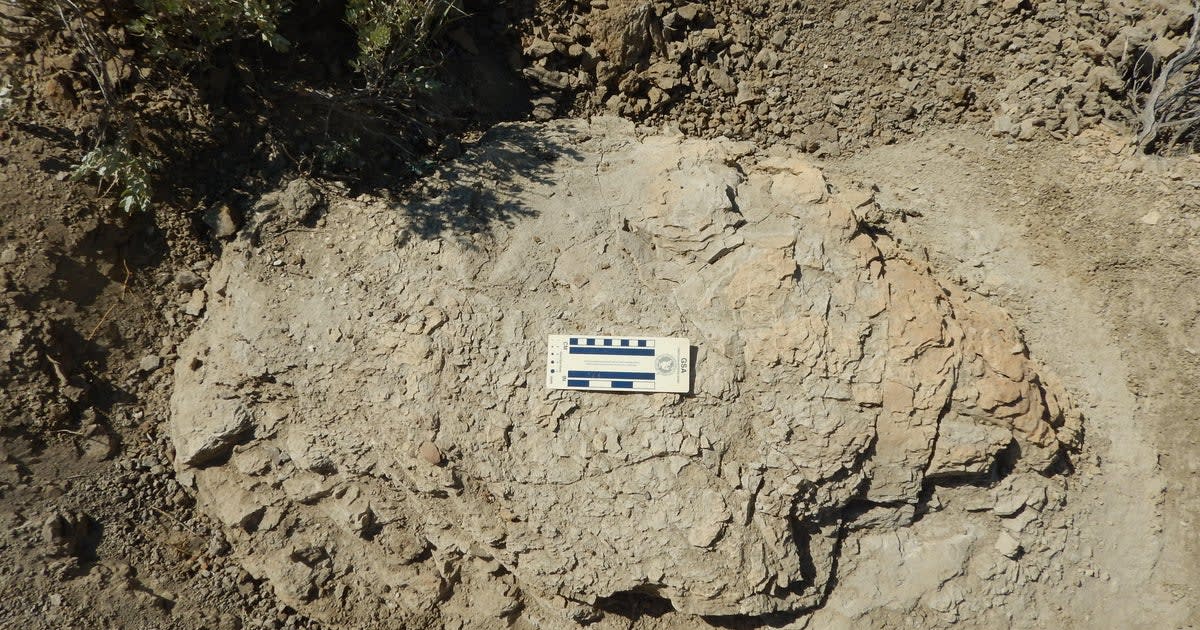
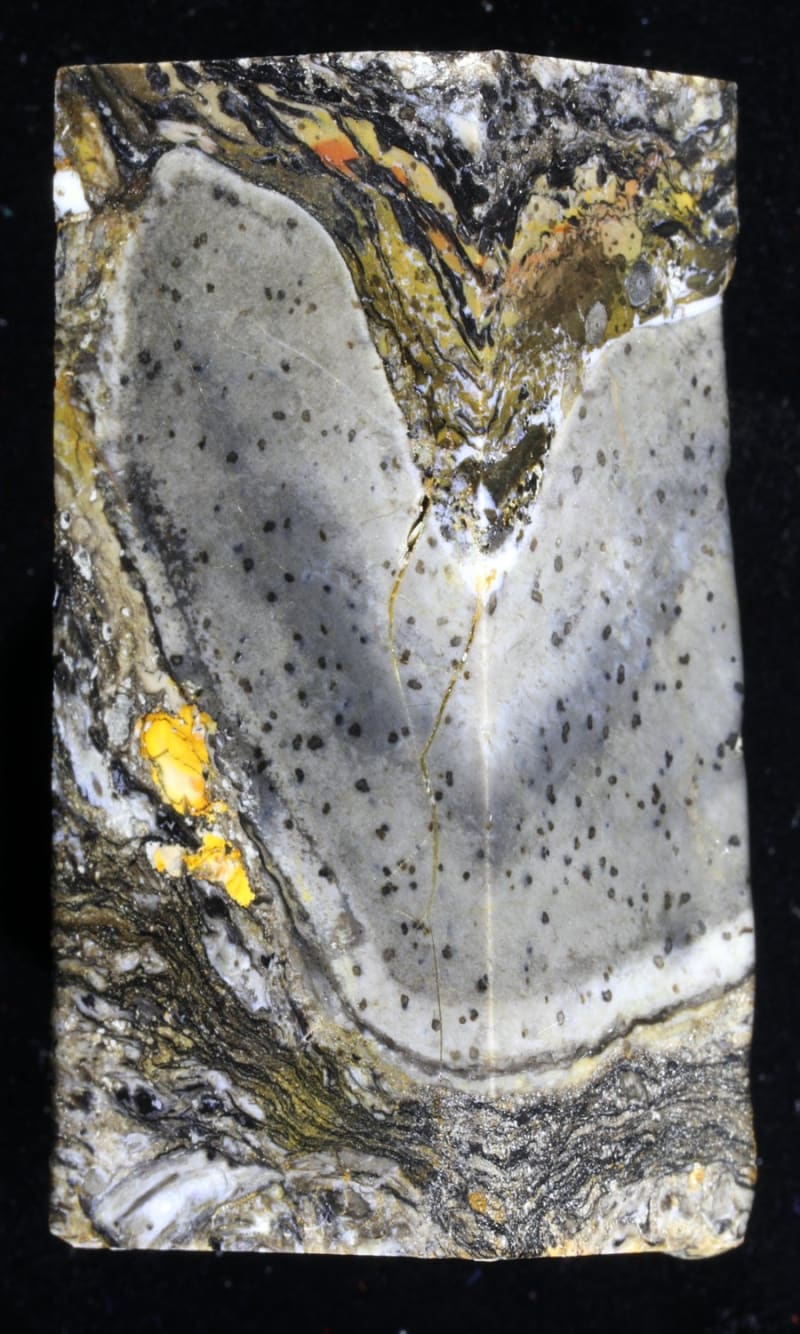
Laura Cooper, a PhD student at the University of Edinburgh and co-lead author of the study, compared Prototaxites fossils with fossil fungi from the same ancient rock deposits. The differences were striking.
Prototaxites looked superficially like fungi with its interwoven tubes, but that's where similarities ended. Its tubes branched wildly in chaotic patterns, while fungal threads follow orderly arrangements.
Most tellingly, researchers found no trace of chitin, a polymer found in every living fungus and in fossil fungi preserved right alongside Prototaxites. Cooper says it "doesn't seem to have any of the characteristic features of the living fungal groups."
Matthew Nelsen, a senior research scientist at the Field Museum of Natural History, says people have tried to "shoehorn it into these different groups, but there are always things that don't make sense." Even if Prototaxites turns out to be an oddball fungus, it independently evolved a completely unique form of complex, multicellular life.
Why This Inspires
This discovery reminds us how much we still don't know about life on Earth. After 180 years of studying these fossils, scientists are still uncovering fundamental surprises about our planet's history.
Previous research suggests Prototaxites consumed decayed organic matter like modern fungi do. But in a world of tiny plants, how these organisms grew as tall as telephone poles remains "a complete mystery," Cooper says.
Every answer about Prototaxites opens new questions about what forms life can take and how ecosystems worked before forests covered the land.
More Images

Based on reporting by Scientific American
This story was written by BrightWire based on verified news reports.
Spread the positivity!
Share this good news with someone who needs it