Anyone With a Telescope Can Help Track Artemis 2
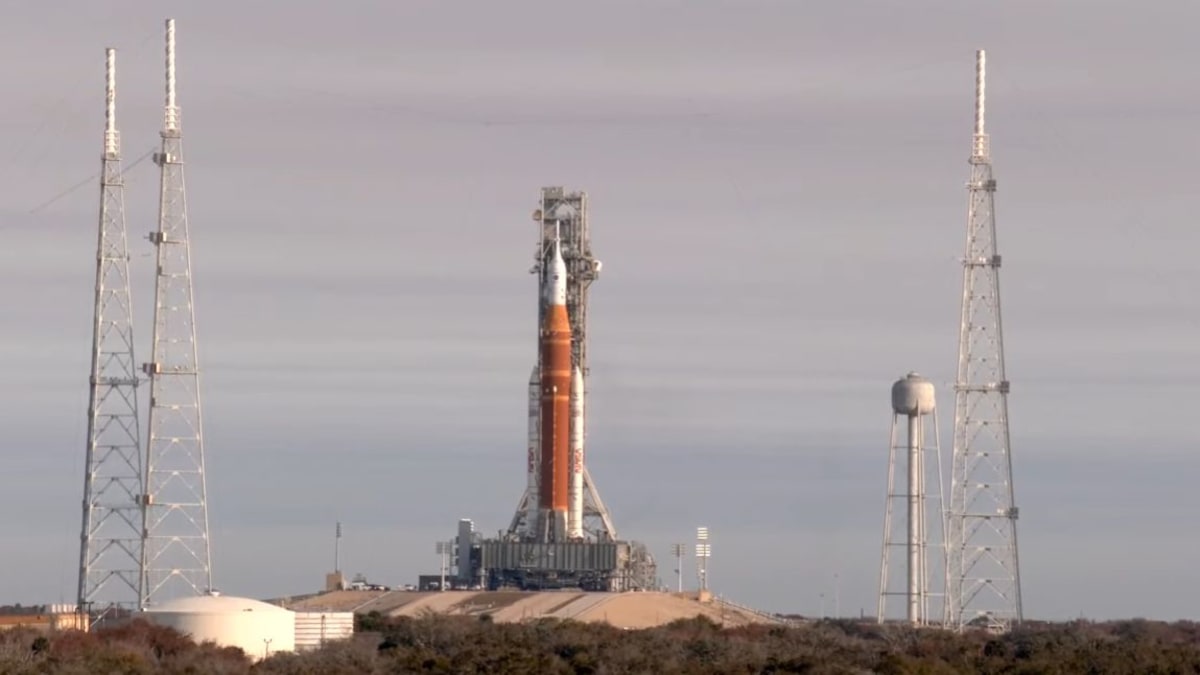
You don't need a PhD to contribute to NASA's moon mission. Amateur astronomers with smart telescopes are being called to help scientists track the Artemis 2 rocket during its historic journey.
Science isn't just for professionals anymore, and NASA's upcoming Artemis 2 mission proves it.
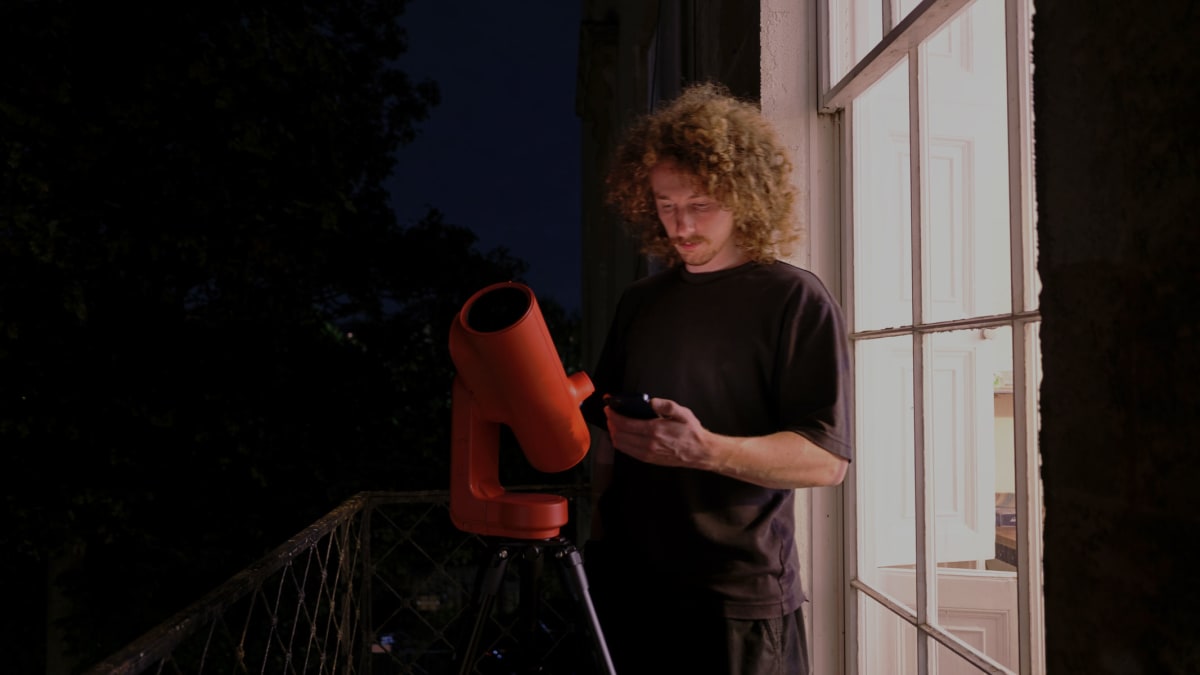
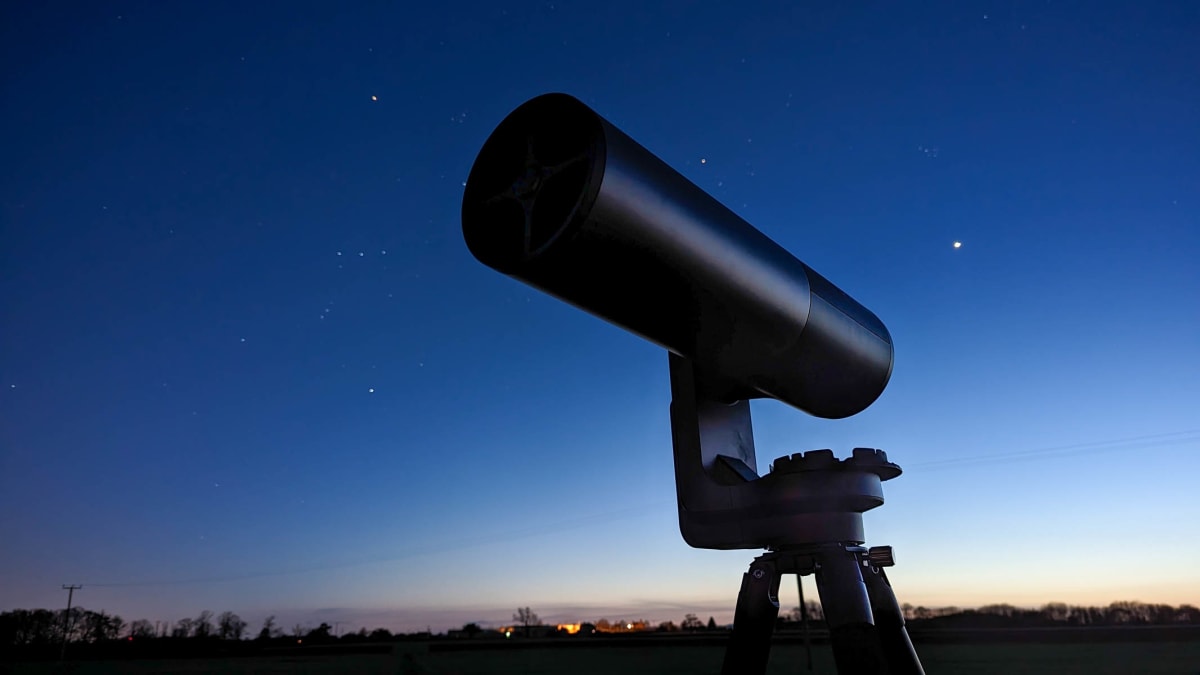
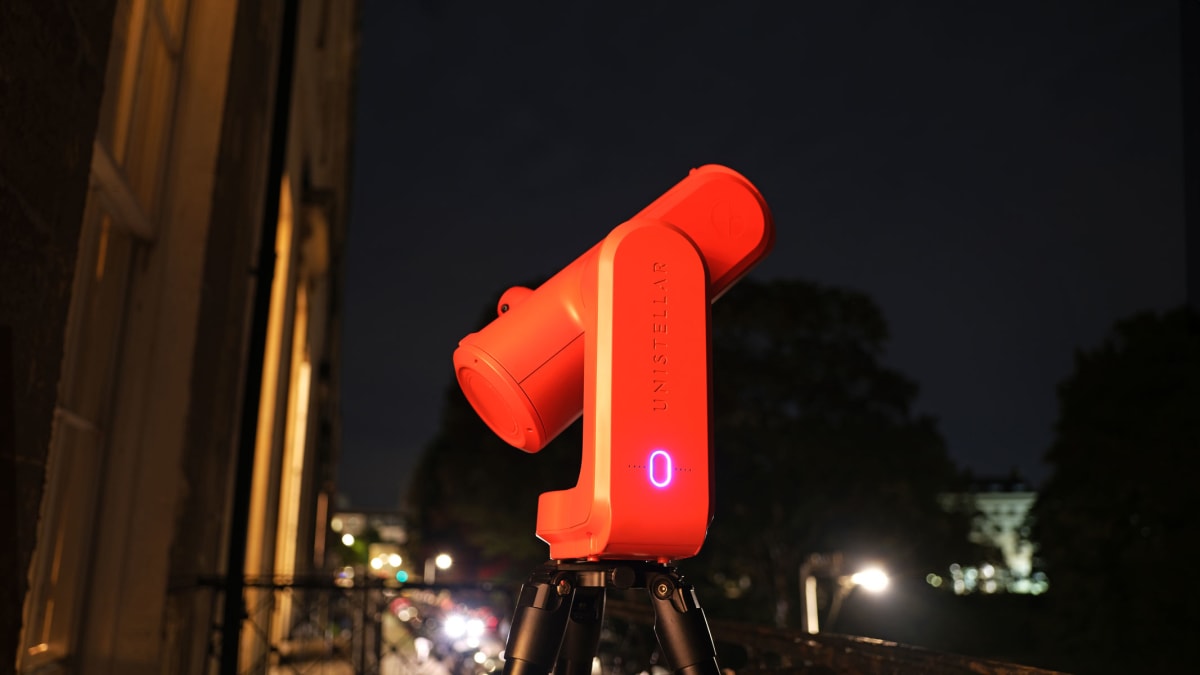
The SETI Institute is inviting anyone with a Unistellar smart telescope to help observe and track the spacecraft during launch and reentry. Your backyard observations could end up in a real scientific study, no astronomy degree required.
Dr. Ryan Lambert, a planetary defense scientist at SETI, believes every telescope pointed at the sky matters. When observers around the world coordinate their efforts, they can capture hours of data that a single professional telescope would miss.
This isn't the first time citizen scientists have made real contributions. Amateur astronomers using Unistellar telescopes helped track the James Webb Space Telescope launch in 2021. Their observations were published in a scientific study in August 2022, providing crucial light curve data from launch through the telescope's journey to its final destination.
The Artemis 2 mission marks humanity's return to the moon after decades away. Having everyday people participate in tracking this historic journey adds a beautiful layer to the achievement.
Smart telescopes have made astronomy accessible in ways that seemed impossible just years ago. These devices work even in light-polluted cities, automatically finding and tracking objects in the night sky while allowing users to capture images and data.
Participants can observe from anywhere with clear skies and a view of the horizon. The Unistellar app guides users through the entire process, automatically calculating the rocket's position and moving the telescope to track it in real time.
Why This Inspires
Dr. Franck Marchis, senior planetary astronomer at SETI, captured the significance perfectly: coordinated observations by amateur astronomers provide valuable insights that complement professional data. The collaboration between the public and scientific community strengthens both.
This democratization of space science means contributions to humanity's knowledge aren't limited to those with advanced degrees or access to major observatories. If you can see the sky and have the right equipment, you can help write the next chapter of space exploration.
The mission represents a shift in how science works: more collaborative, more accessible, more human.
More Images
Based on reporting by Space.com
This story was written by BrightWire based on verified news reports.
Spread the positivity!
Share this good news with someone who needs it