Artemis II Astronauts Safely Return After Record Moon Journey
Four astronauts just survived a scorching 3,000°C return from the Moon, protected by brilliant engineering that kept them safe through temperatures twice as hot as the Sun's surface. NASA's Artemis II mission set a new human distance record and proved we can safely travel to deep space and back.
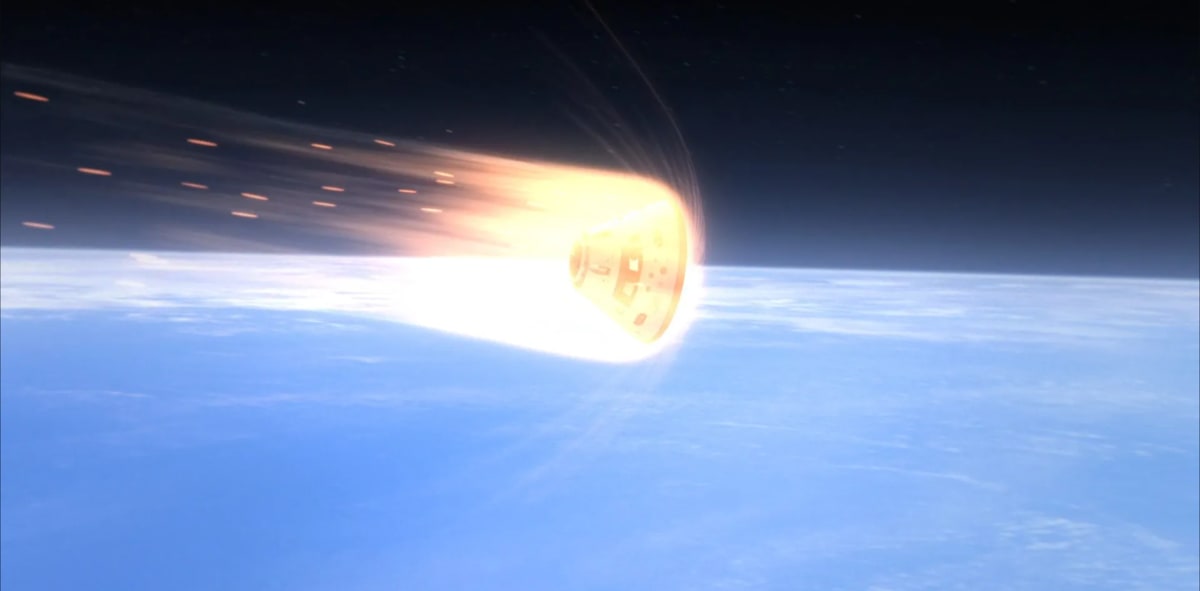
Four astronauts just made history by traveling farther from Earth than any humans ever have, and they survived a fiery return that would have vaporized almost anything else. The Artemis II crew splashed down safely in the Pacific Ocean after enduring temperatures that reached 3,000°C during their spacecraft's dramatic re-entry.
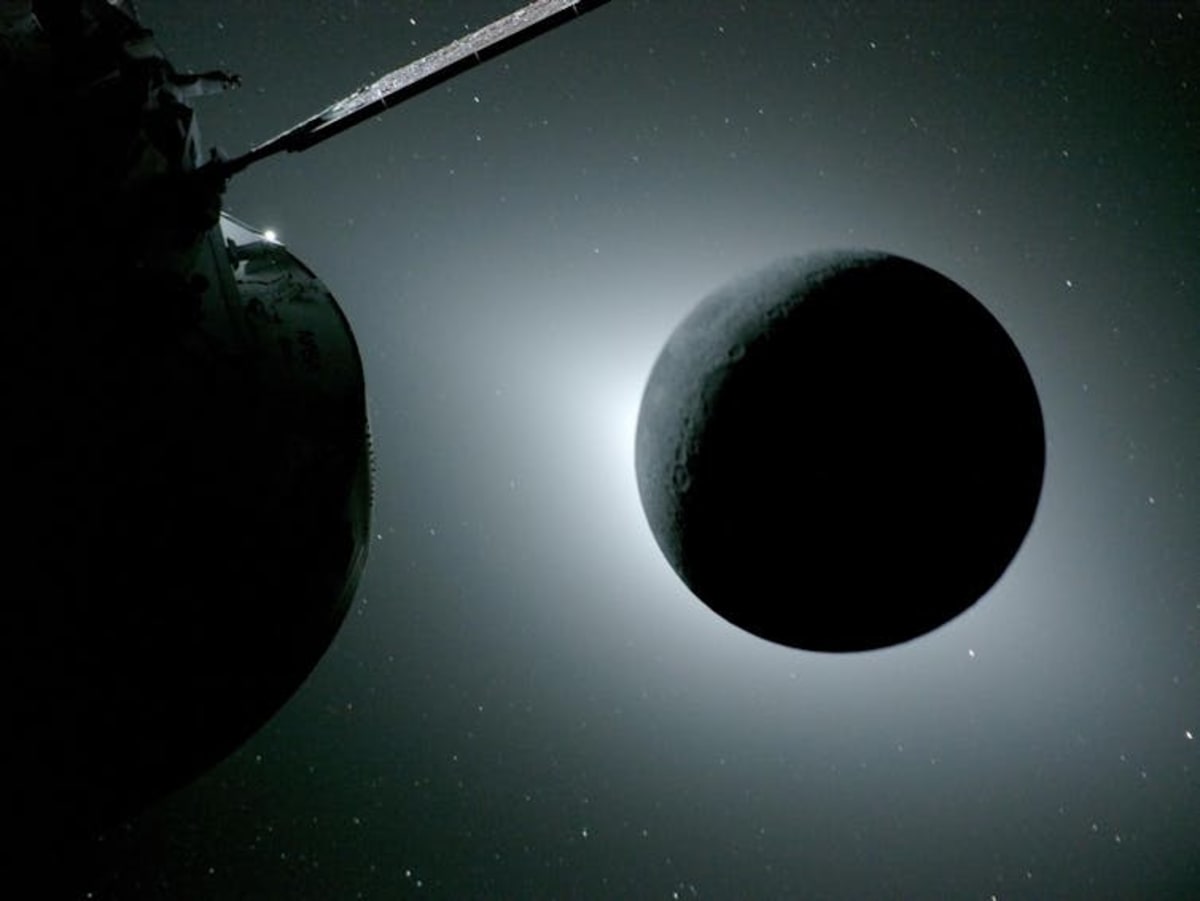
The numbers are staggering. The crew reached 406,771 kilometers from Earth, setting a new record for human space travel. When their Orion capsule hit Earth's atmosphere, it was screaming along at 40,000 kilometers per hour, carrying 2,000 times more kinetic energy per kilogram than a passenger jet.
Here's where the engineering gets brilliant. The capsule is deliberately designed to be as un-aerodynamic as possible, using drag as a massive brake against the atmosphere. This slows the descent enough that astronauts experience manageable forces instead of the crushing 100 g's that would knock them unconscious or worse.
The real magic happens with the heat shield. As the capsule plunged through the atmosphere at 30 times the speed of sound, a shock wave created air temperatures exceeding 10,000°C. That's twice as hot as the Sun's surface. The astronauts couldn't even communicate during the most intense moments because the extreme heat turned the surrounding air into electrically charged plasma that blocked radio signals.
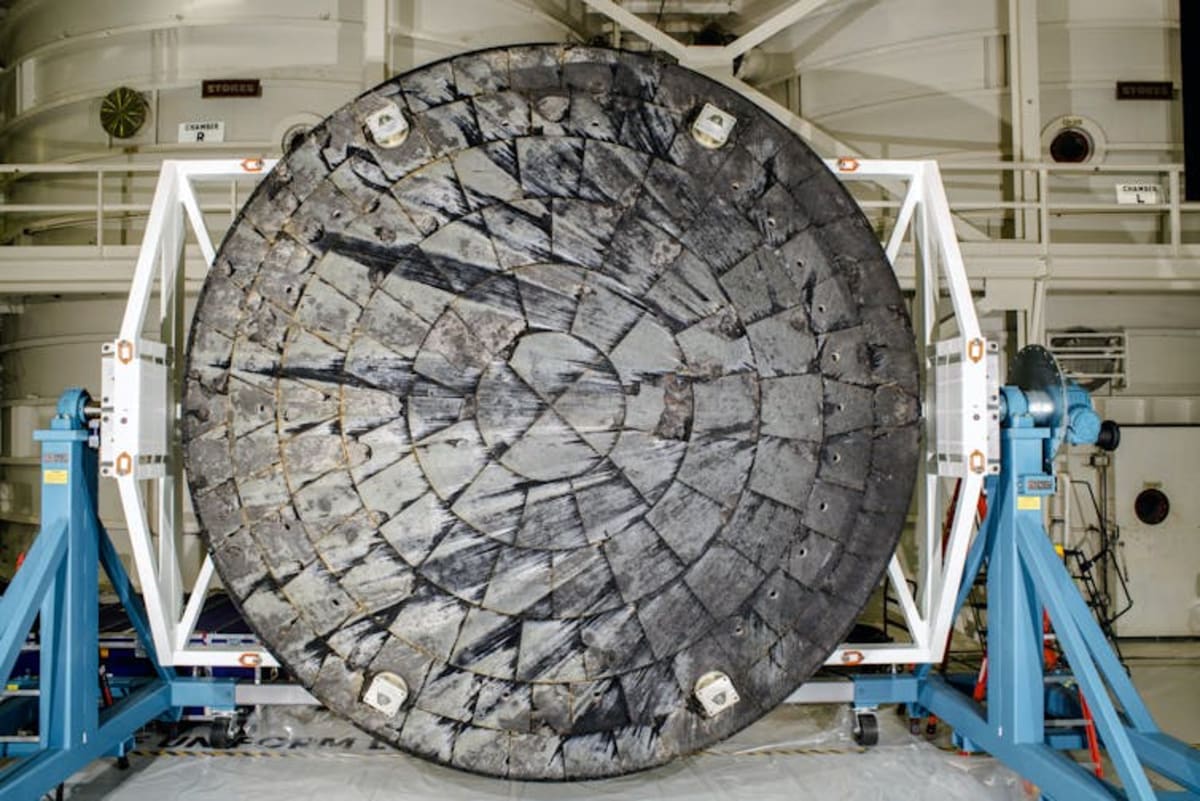
NASA's solution is a material called AVCOAT, an updated version of what protected Apollo astronauts in the 1960s and 70s. This carbon fiber and resin shield glows red hot and strategically degrades during entry, absorbing energy and releasing cool gas along the spacecraft's surface. The glowing material also radiates heat back out to space instead of letting it cook the crew inside.
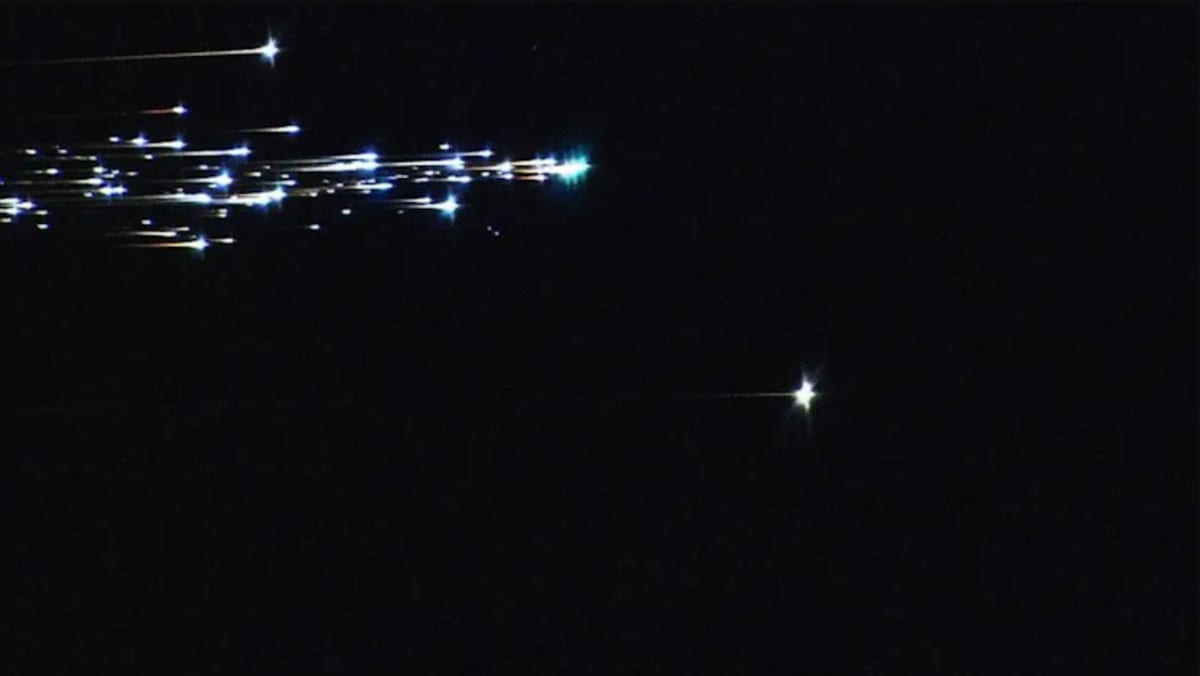
The Bright Side: The Artemis I test flight revealed the heat shield lost bigger chunks than expected during re-entry. Instead of scrapping the mission or delaying years for a redesign, engineers studied the problem and found a simple fix. They adjusted the flight path slightly to avoid the pressure buildup that caused the chunking. This smart problem solving meant Artemis II could proceed on schedule, proving that setbacks don't have to stop progress.
The ten day mission wrapped up at 8pm California time on April 10 with a Pacific Ocean splashdown. Every system worked as designed, protecting four human lives through one of the most extreme environments imaginable and bringing them safely home to their families.
This successful return proves humanity can venture deep into space and make it back alive, opening the door for future missions to the Moon and eventually Mars.
More Images
Based on reporting by Google News - Science
This story was written by BrightWire based on verified news reports.
Spread the positivity!
Share this good news with someone who needs it