NASA Twin Control Rooms Guide Artemis II Crew Home
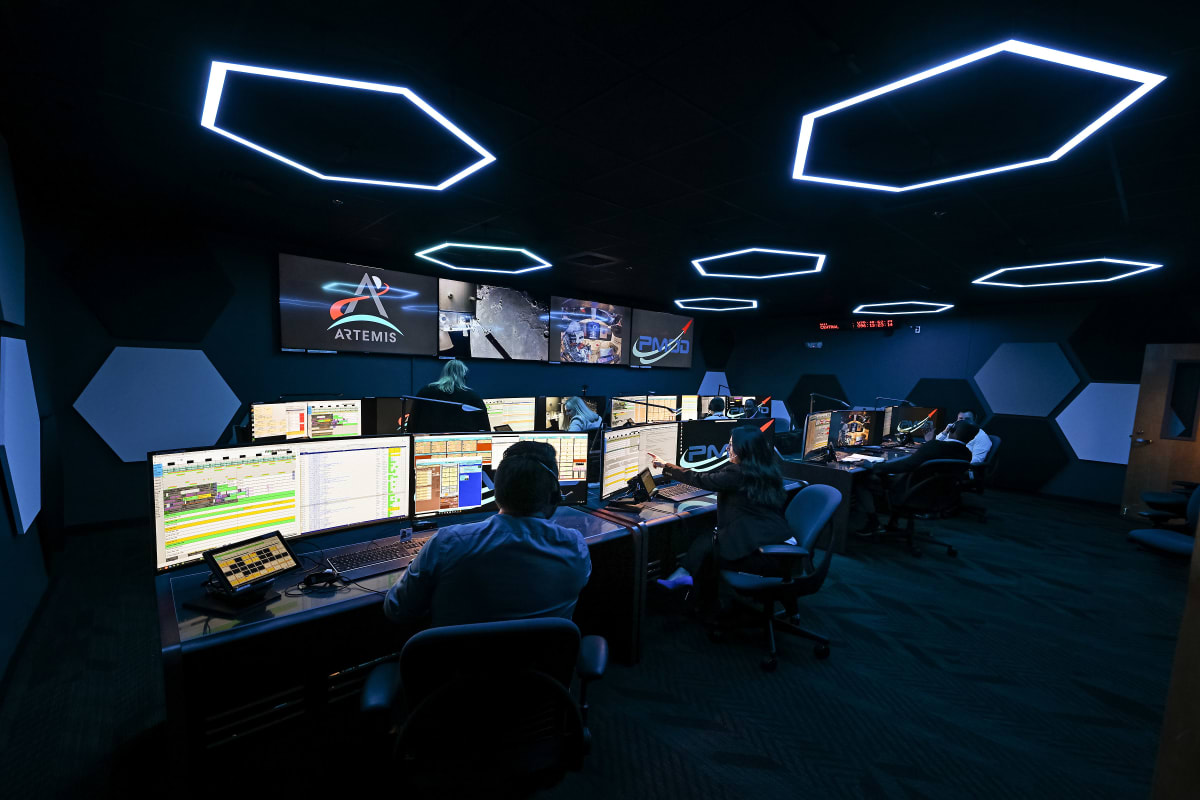
Two specialized control rooms in Huntsville, Alabama are working around the clock to bring the Artemis II astronauts safely home from their historic lunar mission this Friday. The twin centers represent NASA's next generation of mission support, blending cutting-edge science with human safety.
As four astronauts prepare to splash down Friday after orbiting the Moon, two state-of-the-art control rooms in Huntsville are making sure every second of their journey home goes perfectly.
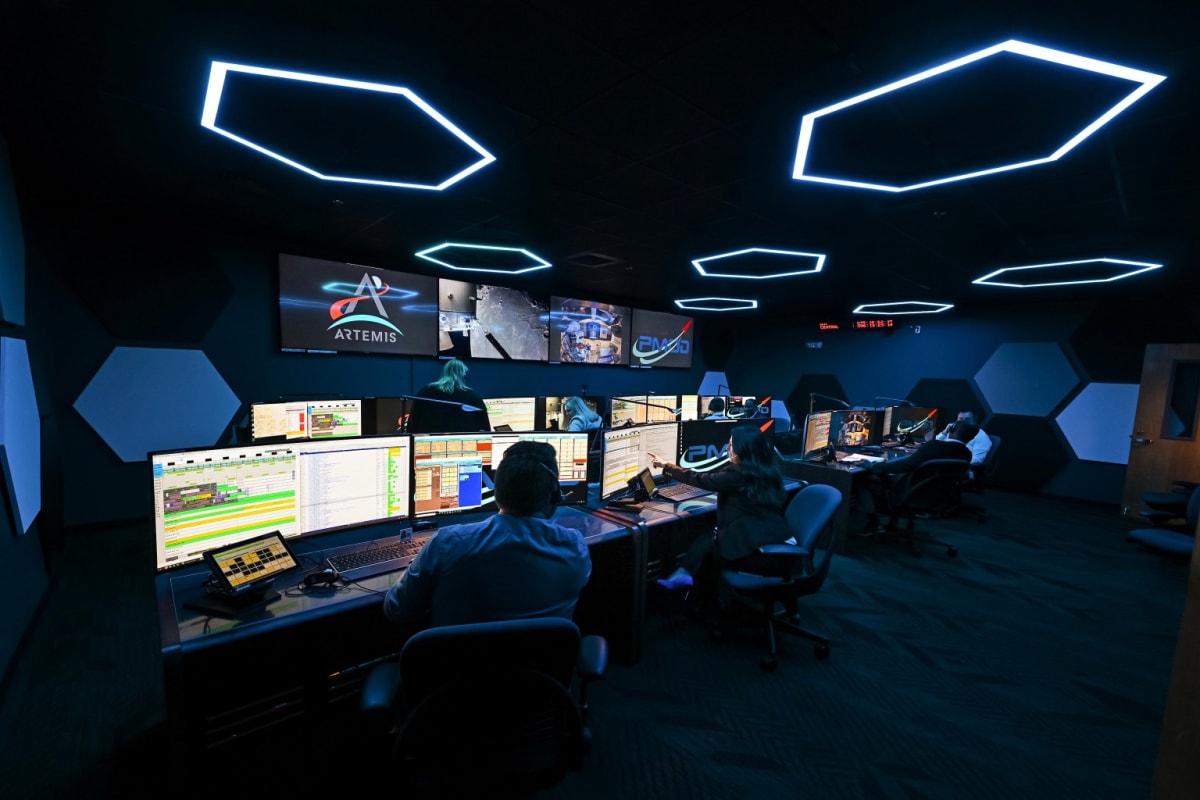
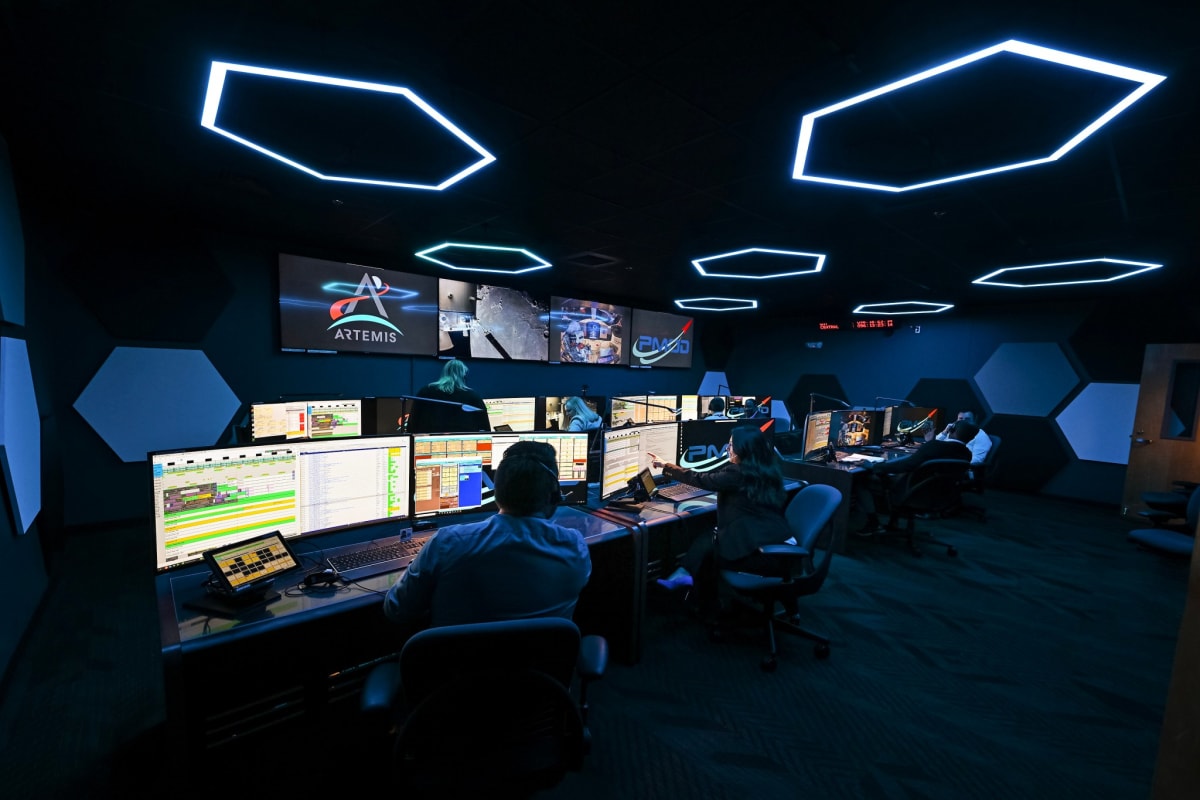
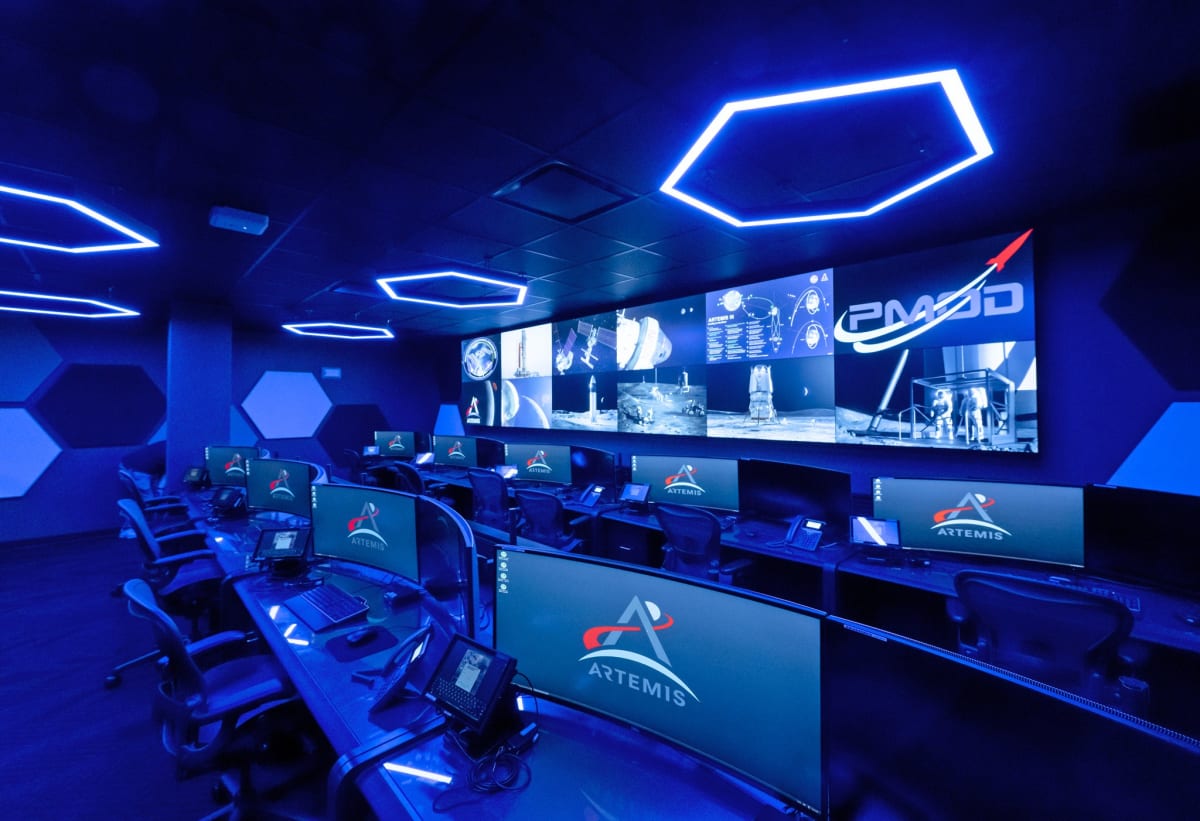
The LUCA and LESA control rooms at NASA's Marshall Space Flight Center look nearly identical, but they serve different roles in keeping astronauts safe. LUCA monitors groundbreaking science experiments studying how deep space affects the human body. LESA focuses on engineering support for future Moon landings.
"The Huntsville Operations Support Center can be adapted to the needs of the agency's missions," said Harish Chandranath, project lead at Marshall. These newest control rooms represent a flexible approach to space exploration that can grow with NASA's ambitions.
During Artemis II, LUCA teams are tracking first-of-their-kind experiments measuring how microgravity and radiation impact crew health and immune response. This data will directly inform how NASA protects astronauts on longer missions to come.
Meanwhile, LESA engineers are watching every detail of the mission in real time, learning critical lessons for when astronauts land on the lunar surface in future Artemis flights. The team includes flight operations experts, safety leads, and technical authorities who will eventually monitor actual Moon landers.
The Ripple Effect
The technology powering these control rooms reaches far beyond Artemis. The centers already support International Space Station operations, commercial crew missions, and the massive Space Launch System rocket program.
Special software connects the Huntsville teams with scientists and experts worldwide, creating a global network of space exploration support. Voice services, video feeds, and telemetry data flow seamlessly between continents, ensuring no detail gets lost.
The telescience resource kit allows computers separated by thousands of miles to communicate flawlessly without human intervention. This means a researcher in Europe can access real-time data from the Moon just as quickly as someone in Alabama.
The twin rooms proved themselves during the 2024 Lunar Node-1 experiment on a commercial lunar lander. Now they're helping write the next chapter of human space exploration.
As Artemis II prepares for splashdown, these control rooms are already looking ahead to Artemis missions that will put boots back on lunar soil and eventually pave the way to Mars.
More Images
Based on reporting by NASA
This story was written by BrightWire based on verified news reports.
Spread the positivity!
Share this good news with someone who needs it