Artemis II Sends Stunning Moon Photos Back to Earth
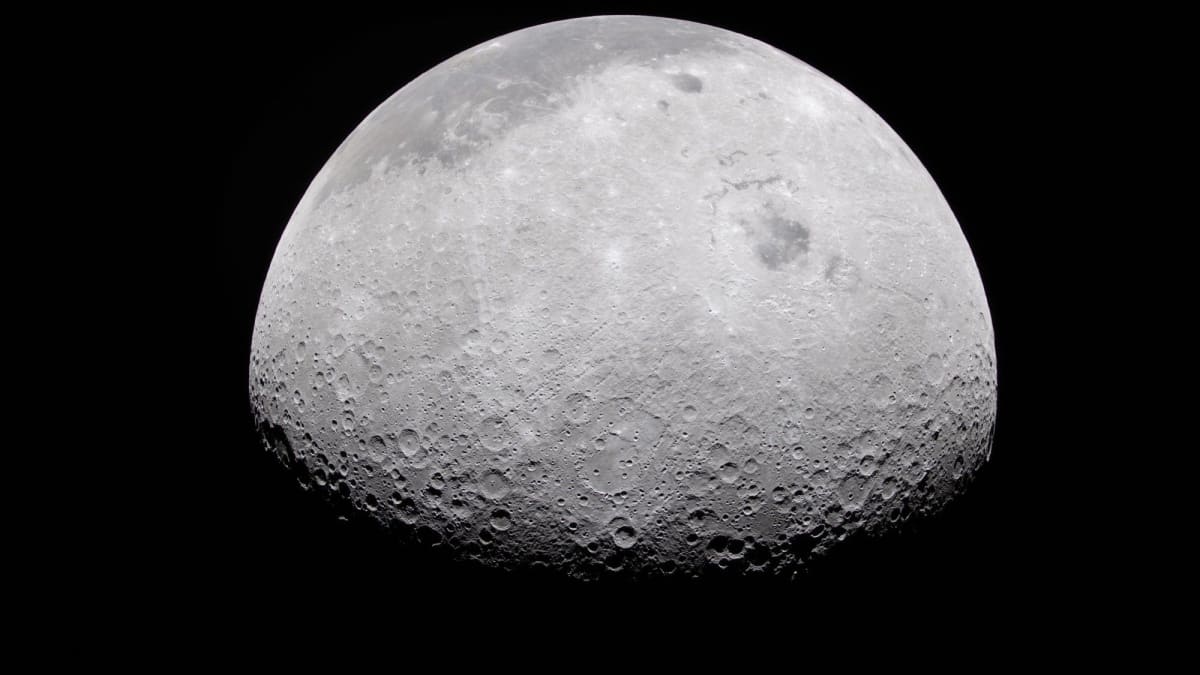
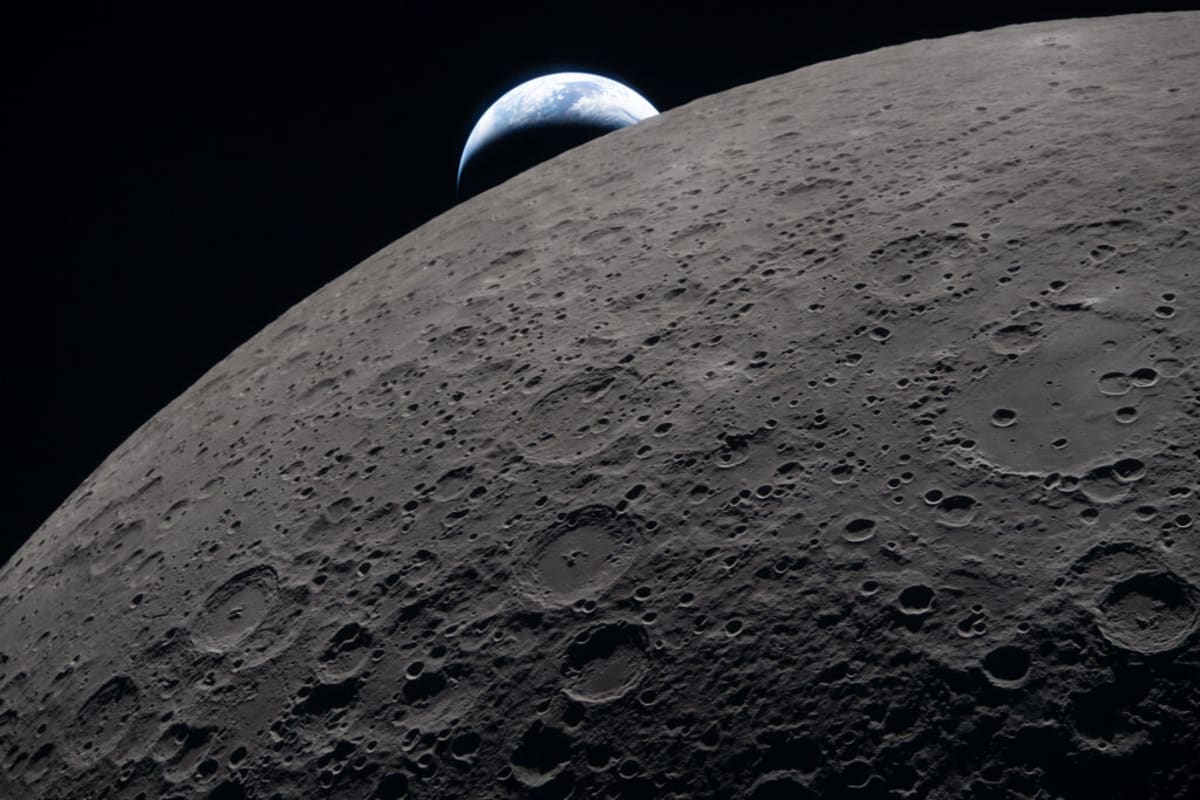
Four astronauts just beamed back the sharpest photos ever captured of Earth rising behind the Moon. The images, transmitted using new optical technology, show details humanity has never seen before.
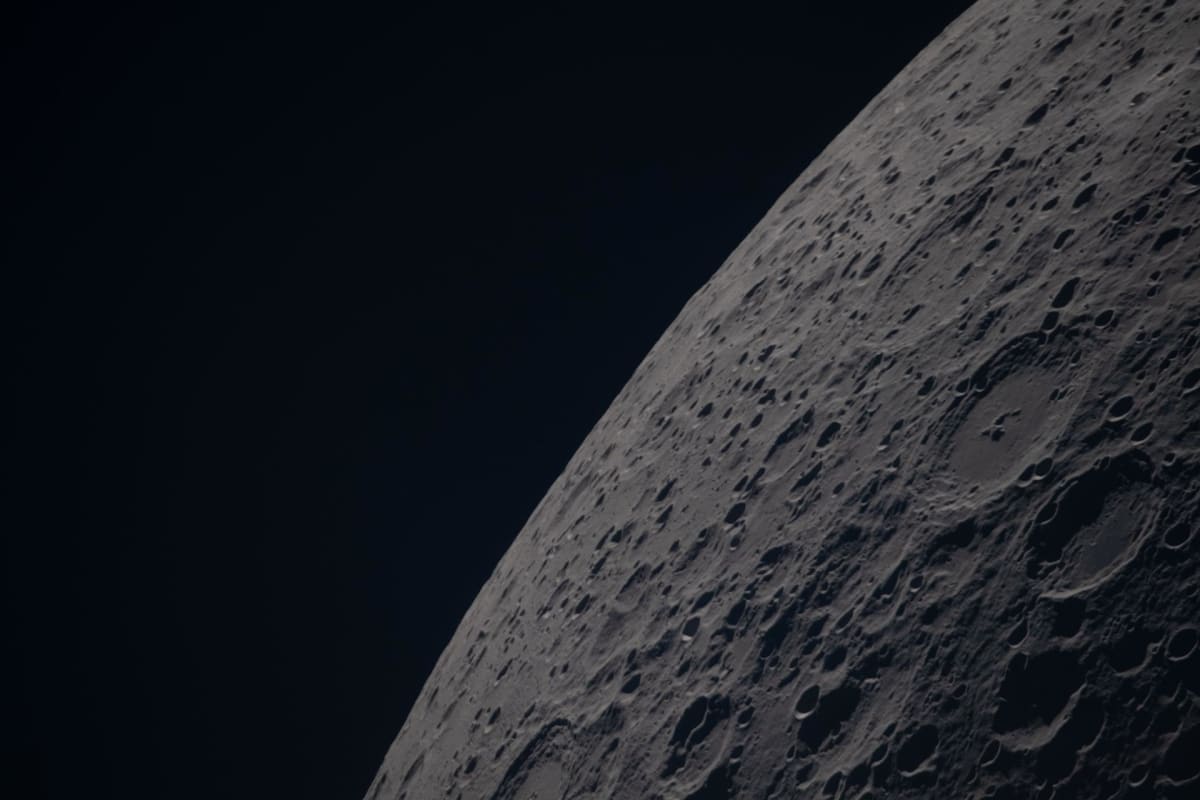
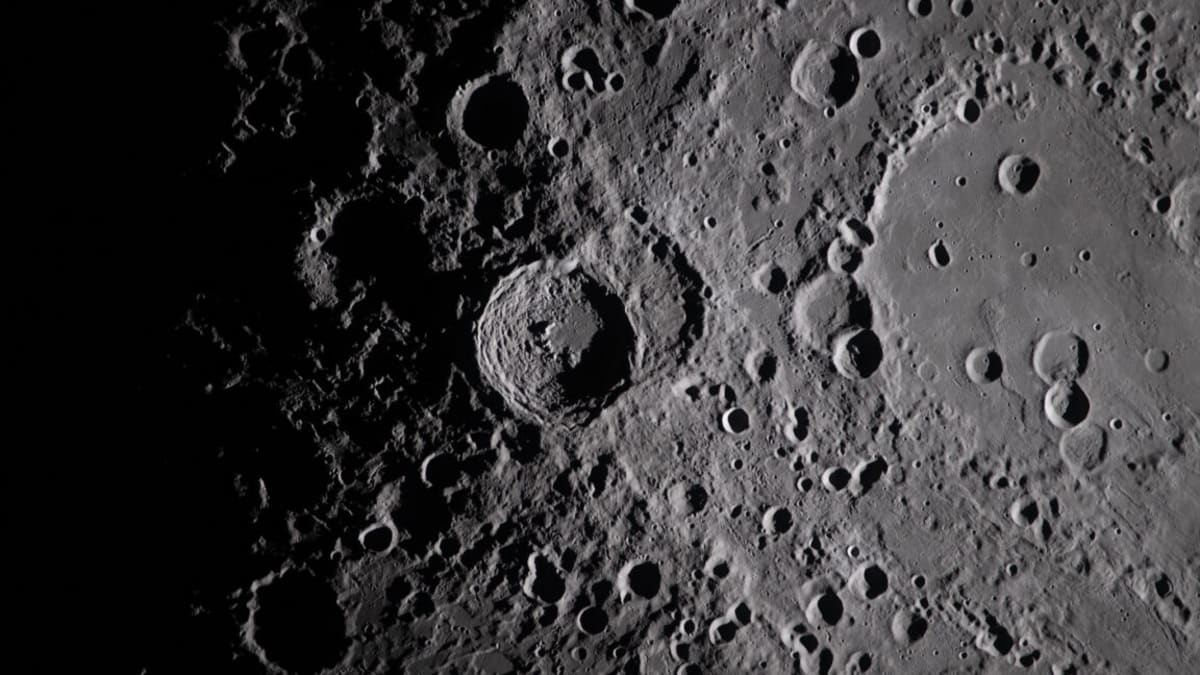
The Artemis II crew sent back jaw-dropping images of the Moon this week that make the historic Apollo photos look like snapshots from a flip phone.
Commander Reid Wiseman, Pilot Victor Glover, and Mission Specialists Christina Koch and Jeremy Hansen flew within 4,067 miles of the lunar surface on Monday. What they witnessed during their flyby left even these veteran astronauts struggling for words.
"After all the amazing sights that we saw earlier, we just went sci-fi," Glover told Mission Control in Houston. "It just looks unreal."
The crew couldn't transmit the high-resolution images in real time because of bandwidth limits. But Monday night changed everything when their Orion spacecraft established an optical link with Earth, beaming back crystal-clear photos that NASA started uploading to its Flickr page.
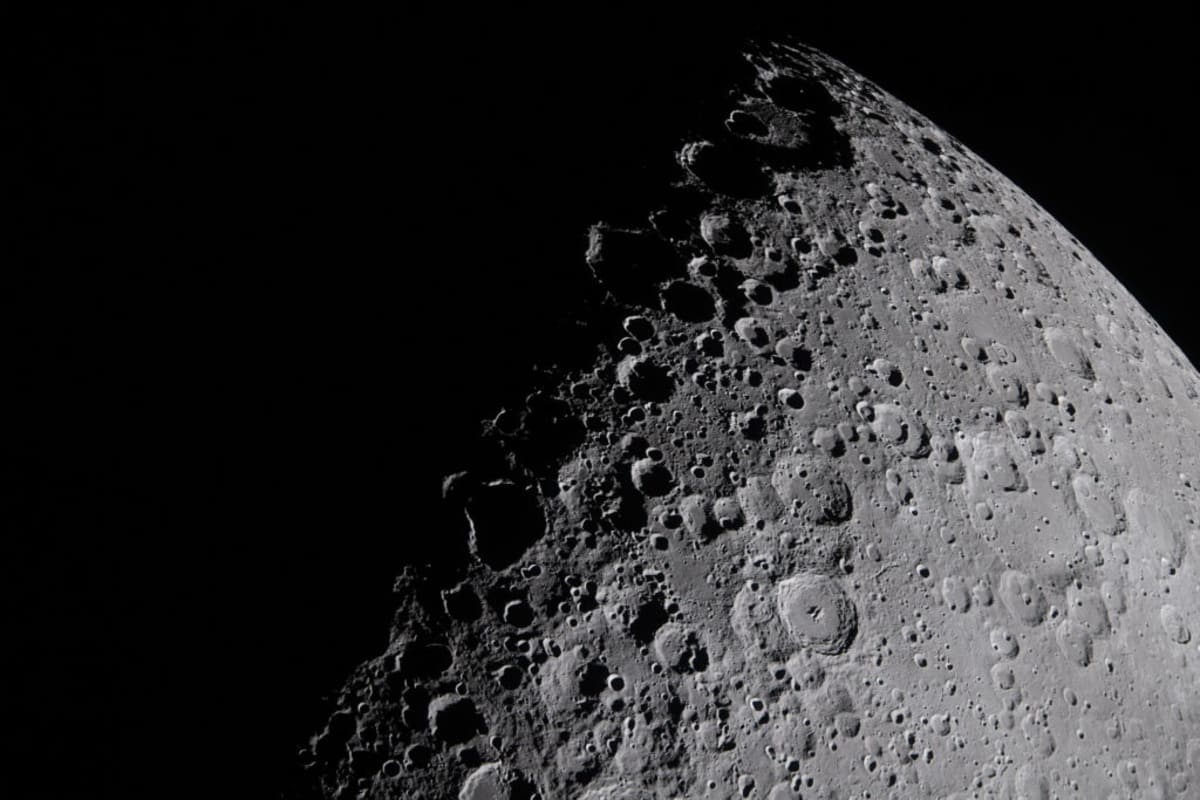
The images capture moments no human has photographed in such detail before. Earth sets behind the Moon's cratered surface in razor-sharp focus. The Sun disappears completely during a total solar eclipse as seen from lunar orbit. Sunlight creeps back along the Moon's edge after nearly an hour of darkness.
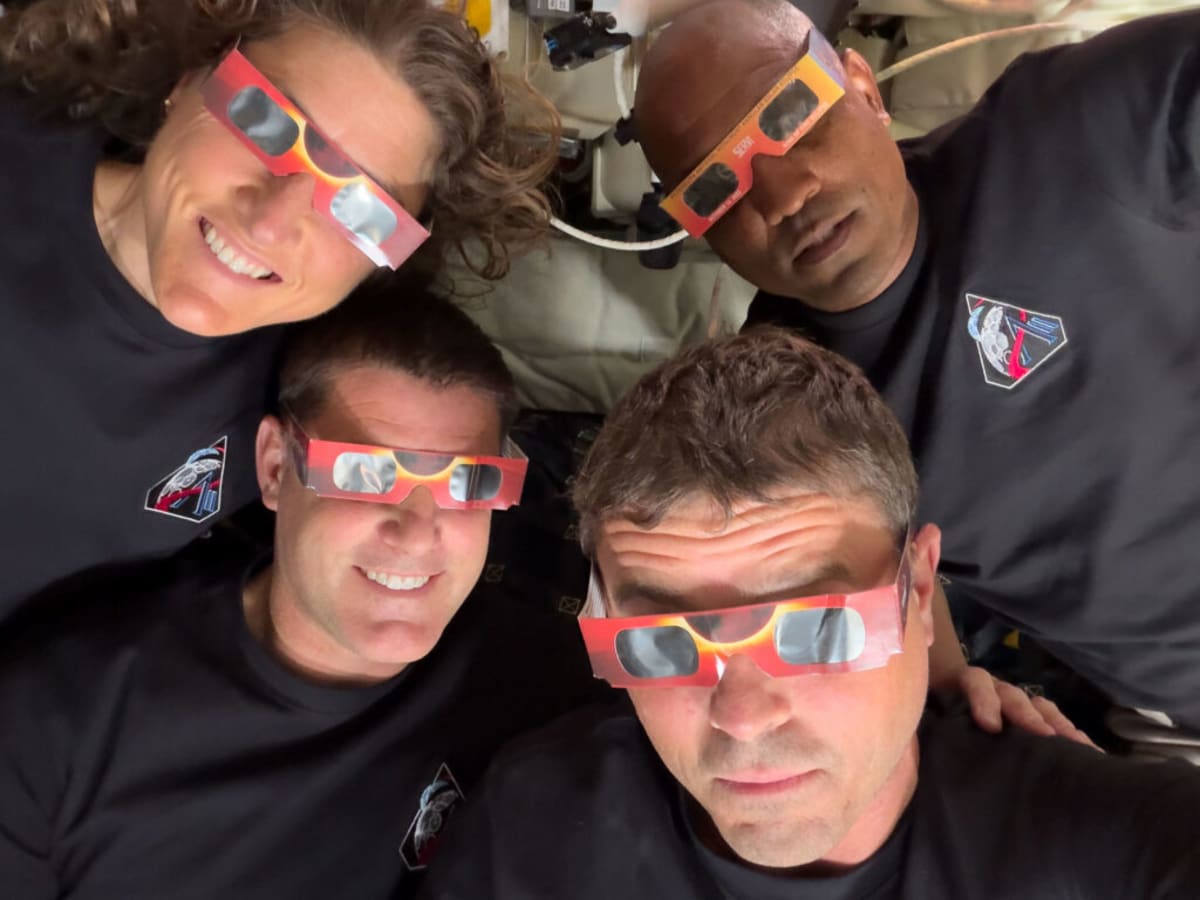
Inside the Integrity spacecraft, all four astronauts wore the same eclipse glasses NASA produced for viewers during the 2024 total solar eclipse on Earth. They took turns documenting the Moon for scientists back home, snapping photos of the lunar surface illuminated only by Earthshine.
Why This Inspires
These aren't just pretty pictures. They represent a giant leap in space communication technology and hint at what's coming next for lunar exploration.
The optical data link that made these transmissions possible will be crucial for future missions. When astronauts return to the Moon's surface in coming years, they'll need this kind of bandwidth to share their discoveries in real time.
Each image the Artemis II crew captured builds on the legacy of Apollo 8's iconic Earthrise photo from 1968. But these new shots show details those pioneering astronauts could only dream of capturing, thanks to modern camera technology and improved data transmission.
Glover admitted the cameras still couldn't fully capture what they were seeing with their own eyes. "What we're seeing, we're just not picking up on the cameras," he said, describing how Earthshine revealed the Moon's entire surface in an almost supernatural glow.
The four crew members are now speeding back toward Earth aboard Orion, scheduled to splash down Friday evening off the California coast. They'll return as the first humans to see the Moon up close in over five decades, carrying memories and images that remind us why we reach for the stars.
More Images

Based on reporting by Ars Technica
This story was written by BrightWire based on verified news reports.
Spread the positivity!
Share this good news with someone who needs it