Astronaut Snaps Stunning Moon Photo on iPhone 17 Pro
An Artemis II astronaut captured a breathtaking image of the moon's far side using just his iPhone during humanity's farthest journey from Earth. The historic mission broke Apollo 13's distance record while proving smartphones can document incredible space exploration moments.
NASA astronaut Reid Wiseman just proved that sometimes the best camera is the one in your pocket, even 252,756 miles from home.
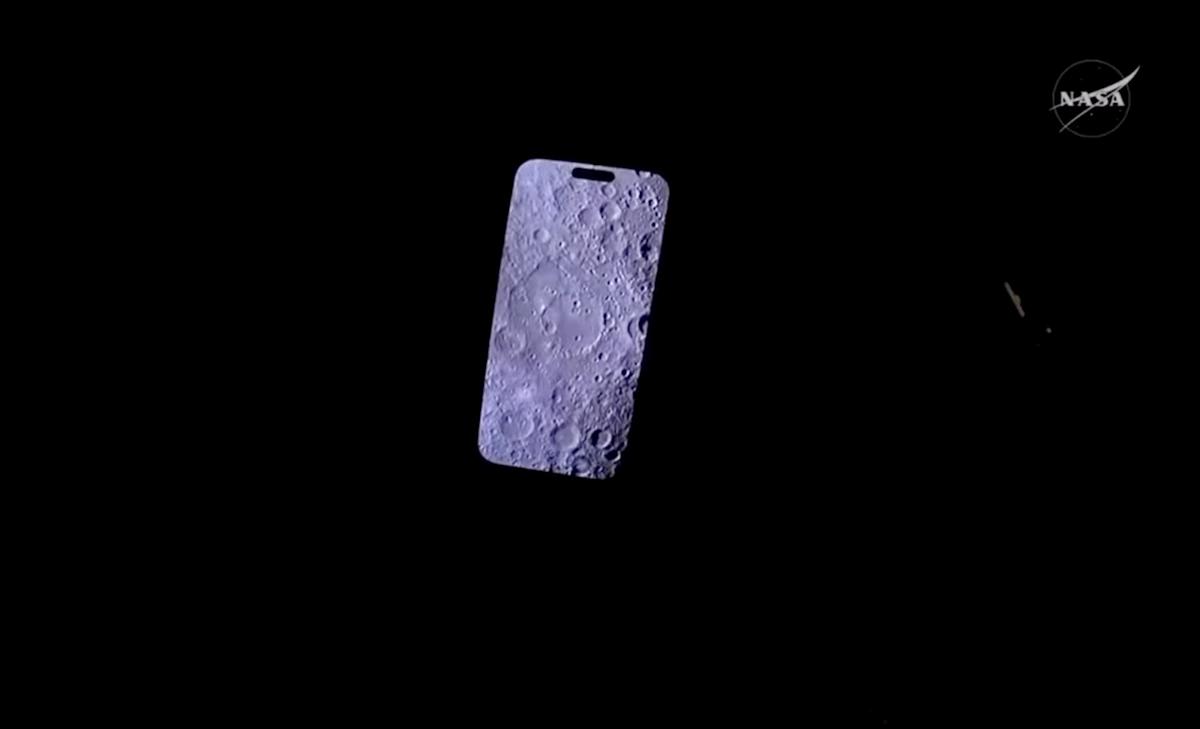
During the Artemis II mission's lunar flyby on April 6, Wiseman captured a stunning photograph of the moon's far side using his iPhone 17 Pro. The image shows the Chebyshev crater, a lunar impact site that we never see from Earth, shot with an 8x zoom while the Orion spacecraft approached the moon.
The crew didn't just point and shoot. They turned off every light inside the cabin to eliminate reflections and get the clearest possible images through the spacecraft windows.
Wiseman shared the photo during a livestream, giving millions of viewers back on Earth a glimpse of what astronauts see during historic space missions. NASA allowed the four-person crew to bring their smartphones specifically for moments like this, understanding that personal devices could capture candid, authentic perspectives of space exploration.
The timing couldn't be more remarkable. Just hours before Wiseman took the photo, Artemis II set a new record for the farthest distance humans have ever traveled from Earth, surpassing the mark set by Apollo 13 over 50 years ago.
The mission launched on April 1 for a 10-day journey that represents a major milestone in NASA's plan to return humans to the moon. This flyby mission is testing all the systems needed for future lunar landings, but it's also creating unprecedented opportunities for documentation.
Why This Inspires
Modern smartphones have become so powerful that they can capture scientific-quality images in the most extreme conditions imaginable. What once required specialized cameras and extensive training can now be accomplished by anyone with steady hands and good instincts.
The decision to let astronauts bring personal devices shows how space exploration is becoming more relatable and human. These aren't just highly trained test pilots anymore. They're photographers, storytellers, and ambassadors sharing the experience of space travel in real time with everyone back home.
Future generations will look at these iPhone photos the way we look at the famous "Earthrise" image from Apollo 8. Technology has made space feel closer and more accessible than ever before.
The crew completed their lunar flyby at 9:35 PM on April 6 and is now heading back to Earth. NASA plans to release more images from the mission over the coming days, offering additional views of the moon's mysterious far side that few humans have ever witnessed.
The astronauts are expected to splash down in the Pacific Ocean near San Diego on April 10, bringing home not just scientific data but hundreds of personal photos that will inspire the next generation of space explorers.
Sometimes the most powerful moments in human achievement come through the lens of everyday technology in extraordinary hands.
More Images

Based on reporting by Engadget
This story was written by BrightWire based on verified news reports.
Spread the positivity!
Share this good news with someone who needs it

%2Ffile%2Fattachments%2Forphans%2FIMG_46372_797479.jpg)