Astronauts Say Seeing Earth From Space Changes You Forever
Artemis II astronauts experienced the "overview effect" during their historic moon flyby, a profound shift in perspective that makes space travelers appreciate how fragile and precious Earth truly is. Their emotional reactions echo decades of astronauts who return home forever changed by the view.
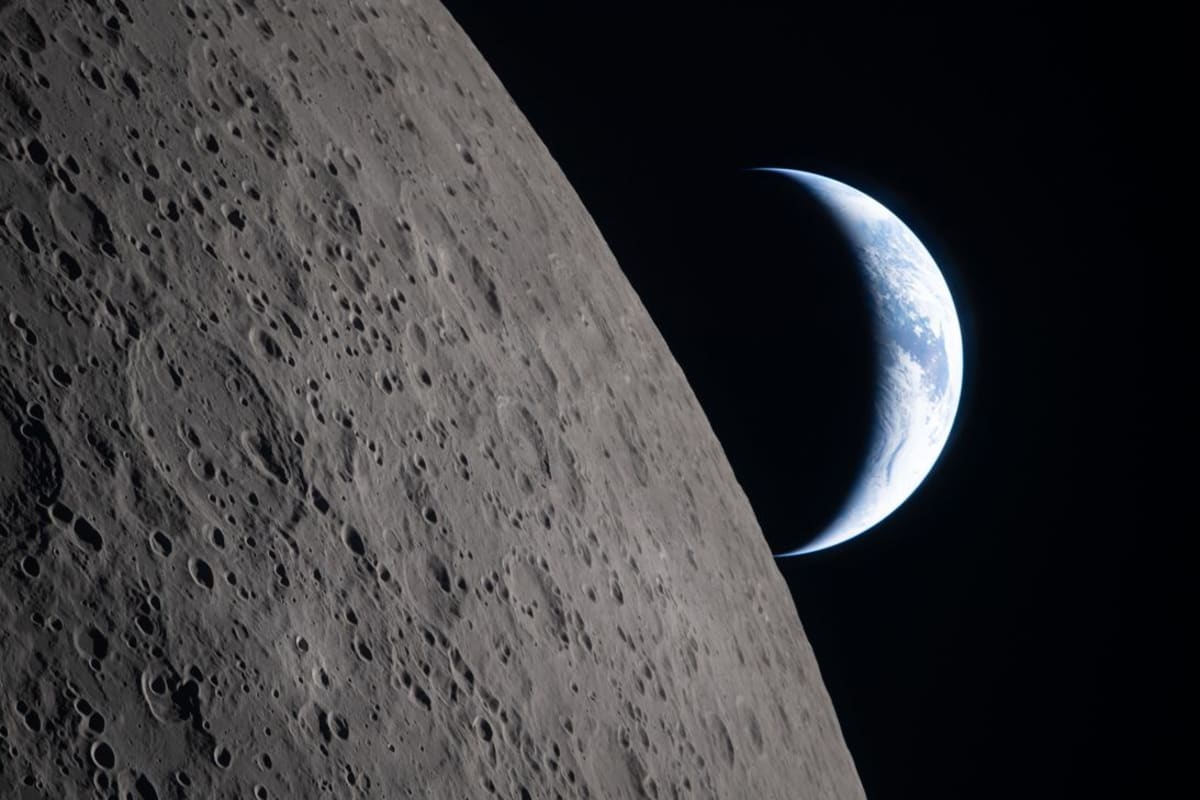
When Victor Glover watched meteors strike the moon's surface during the Artemis II flyby, he called it "sci-fi," but the real revelation came when he looked back at Earth. Like generations of astronauts before him, that distant blue marble sparked something profound.
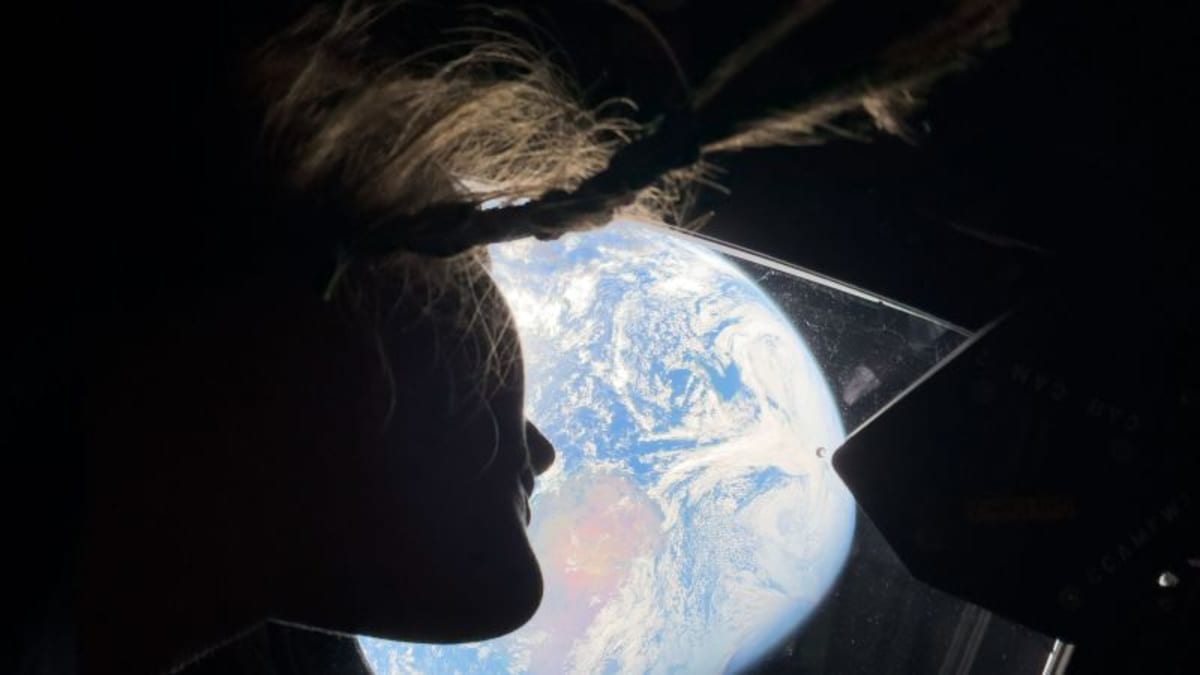
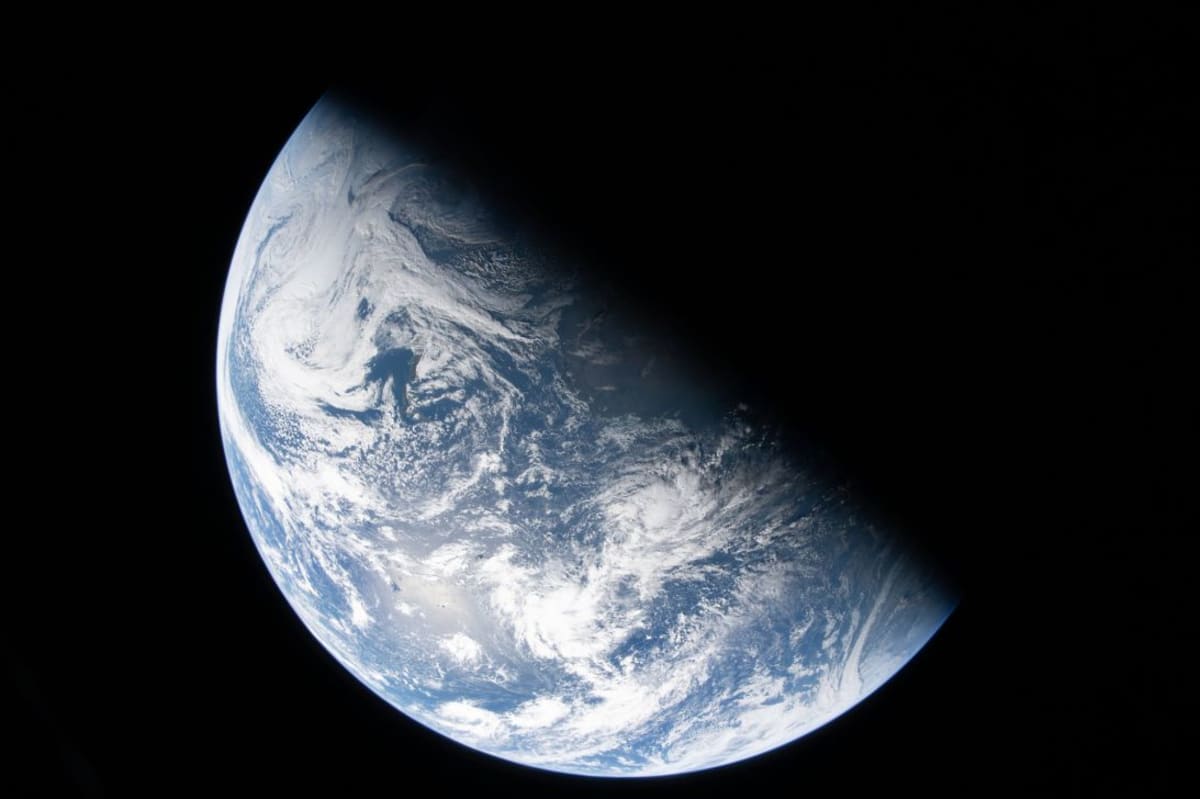
Scientists call it the "overview effect," and it might be one of humanity's most powerful shared experiences. Coined in 1987 by philosopher Frank White, the term describes what happens when humans see Earth against the black void of space and suddenly understand how special our home planet really is.
Christina Koch, speaking from the Artemis II capsule, captured the feeling perfectly. "We will explore. We will build ships. We will construct science outposts," she said. "But ultimately, we will always choose Earth. We will always choose each other."
The emotion wasn't just poetic. Arizona Senator Mark Kelly, a veteran of four spaceflights, told CNN that Koch's words resonated deeply with his own experience. "The Earth is an island in our solar system, and there is no place else for us to go," he said.
From space, the thin blue line of our atmosphere looks impossibly fragile. Koch described her time aboard the International Space Station as a reminder that every single person we know is sustained by that delicate band of air. Everything beyond it is completely inhospitable.
Canadian astronaut Jeremy Hansen, experiencing his first spaceflight on Artemis II, said looking back at Earth from the far side of the moon "really just bent your mind." The experience felt less like viewing through a window and more like being transported to another world entirely.
The sensation transcends borders and politics. Astronauts consistently report that from space, you can't see the imaginary lines dividing nations. You don't see religious differences or political boundaries. You just see one planet, one humanity, all sharing the same home.
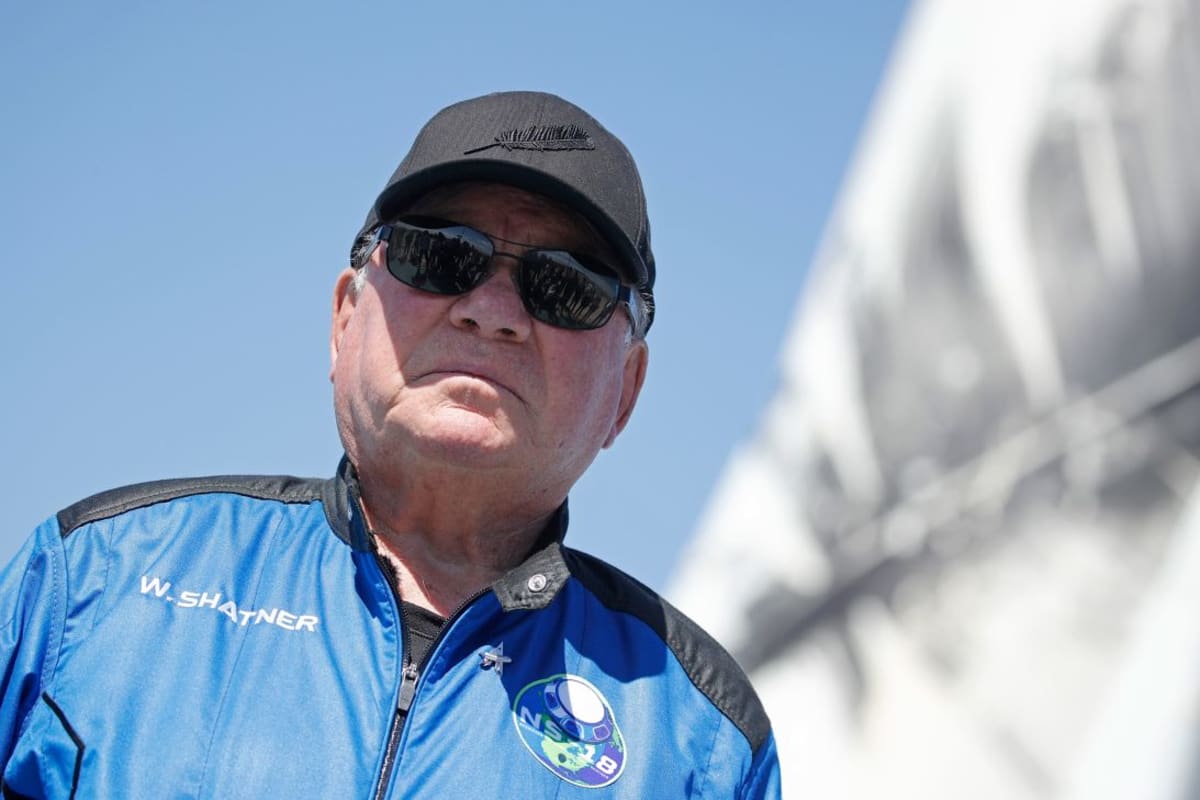
Even "Star Trek" actor William Shatner, who took a brief suborbital trip in 2021, experienced the shift. The blackness of space made him think immediately about how we're treating our planet. "I felt this overwhelming sadness for the Earth," he told CNN.
The Ripple Effect
The overview effect isn't just changing individual astronauts. It's spreading to all of us. As more people venture to space and share their experiences, that shift in perspective reaches back down to Earth. When Victor Glover returned from a previous mission, he posed a question to NASA: "Are you going to try to live your life a little differently? Are you going to really choose to be a member of this community of Earth?"
Frank White believes that's the larger purpose of space exploration. It's not about escaping Earth but about gaining the perspective to appreciate and protect it. The astronauts see what we all know intellectually but struggle to feel: we're all in this together.
The Artemis II mission marks humanity's first deep space journey in over 50 years, and it's already reminding us that the most important discovery isn't out there among the stars but right here at home.
More Images
Based on reporting by Google News - Science
This story was written by BrightWire based on verified news reports.
Spread the positivity!
Share this good news with someone who needs it