Astronomers Discover 'Black Hole Stars' in Early Universe
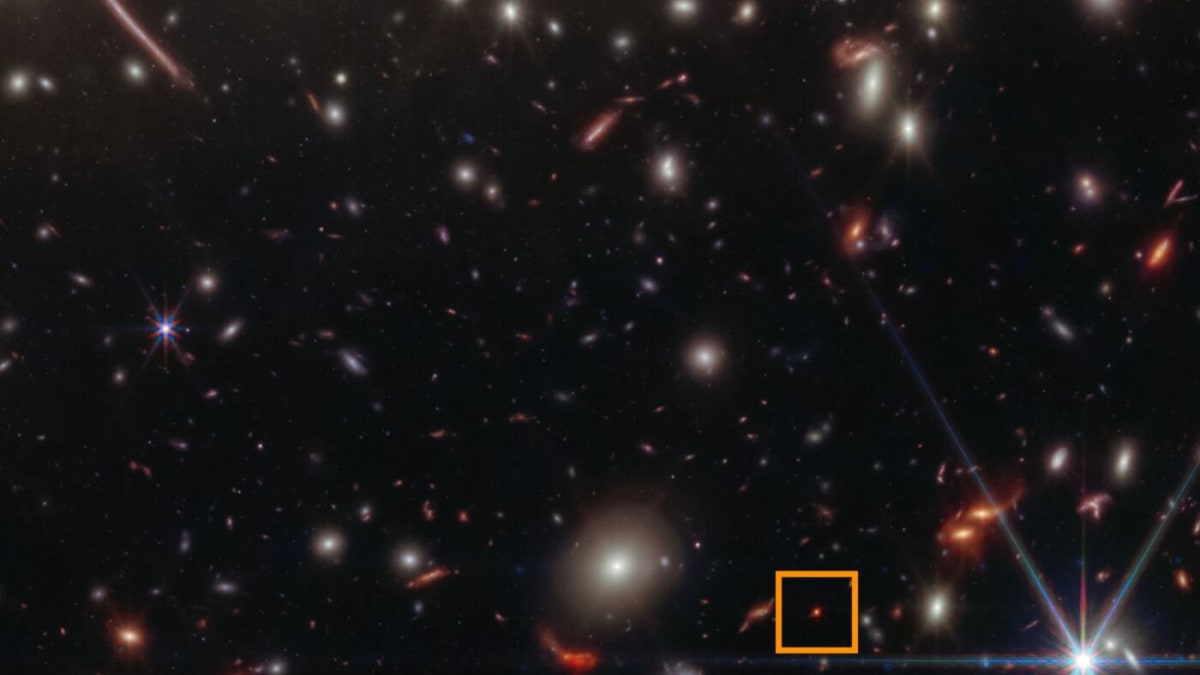
Mysterious red dots in images from the early universe have puzzled scientists for years. Astronomers now believe they've identified an entirely new type of celestial object that could unlock secrets about how the cosmos formed.
For years, tiny red dots scattered across images of the early universe left astronomers scratching their heads in wonder.
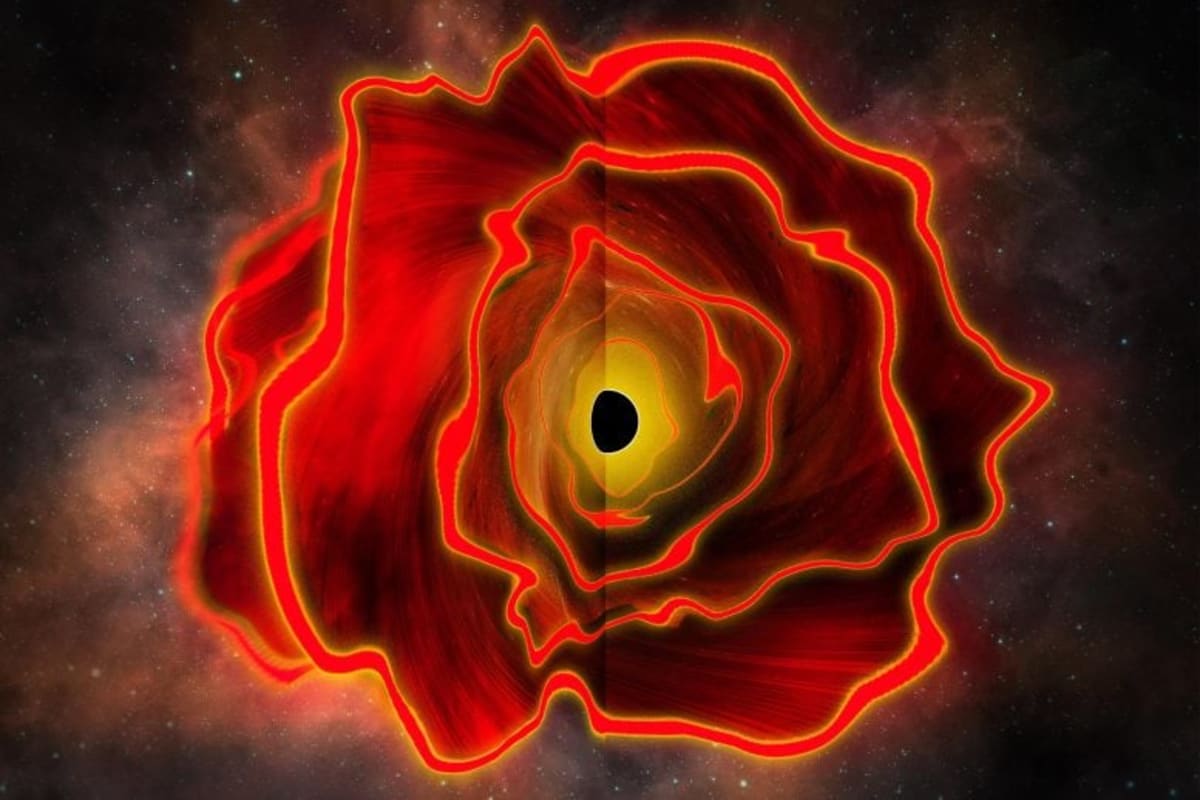
Now scientists think they've cracked the cosmic mystery. These peculiar objects appear to be "black hole stars," a completely new class of celestial body that nobody predicted.
The discovery came from images captured by powerful space telescopes peering billions of years back in time. These weren't ordinary stars or typical black holes, but something entirely different that defied easy classification.
Black hole stars could help explain several puzzling questions about the universe's earliest days. Scientists are particularly excited because understanding these objects might reveal how galaxies and massive black holes formed so quickly after the Big Bang.
The findings represent a breakthrough in our understanding of cosmic evolution. Researchers had been stumped by these little red dots since they first appeared in deep space imagery, unable to fit them into existing categories of known celestial objects.
Why This Inspires
This discovery reminds us that the universe still holds countless surprises waiting to be uncovered. Even with our most advanced technology and centuries of astronomical study, we're still finding entirely new types of objects in space.
The breakthrough showcases the power of persistent curiosity and careful observation. Scientists didn't give up when the data didn't match their expectations but instead remained open to the possibility of discovering something completely new.
Young astronomers entering the field today have real reason for excitement. If we're still identifying fundamental new types of celestial objects in 2026, imagine what other cosmic mysteries remain unsolved and waiting for fresh eyes to discover them.
The research also demonstrates how collaborative science works at its best. Multiple teams worked together to analyze the puzzling data, building on each other's insights until the picture became clear.
The universe just got a little more interesting, and our understanding of how everything began took a significant leap forward.
More Images




Based on reporting by Google News - Science
This story was written by BrightWire based on verified news reports.
Spread the positivity!
Share this good news with someone who needs it