Australia Maps Platypus Survival With New Conservation Plan
Scientists have created a breakthrough framework to save Australia's elusive platypus by mapping where they live and planning rescues before disasters strike. New DNA testing and citizen science are filling gaps that once made this river-dwelling mammal nearly impossible to track.
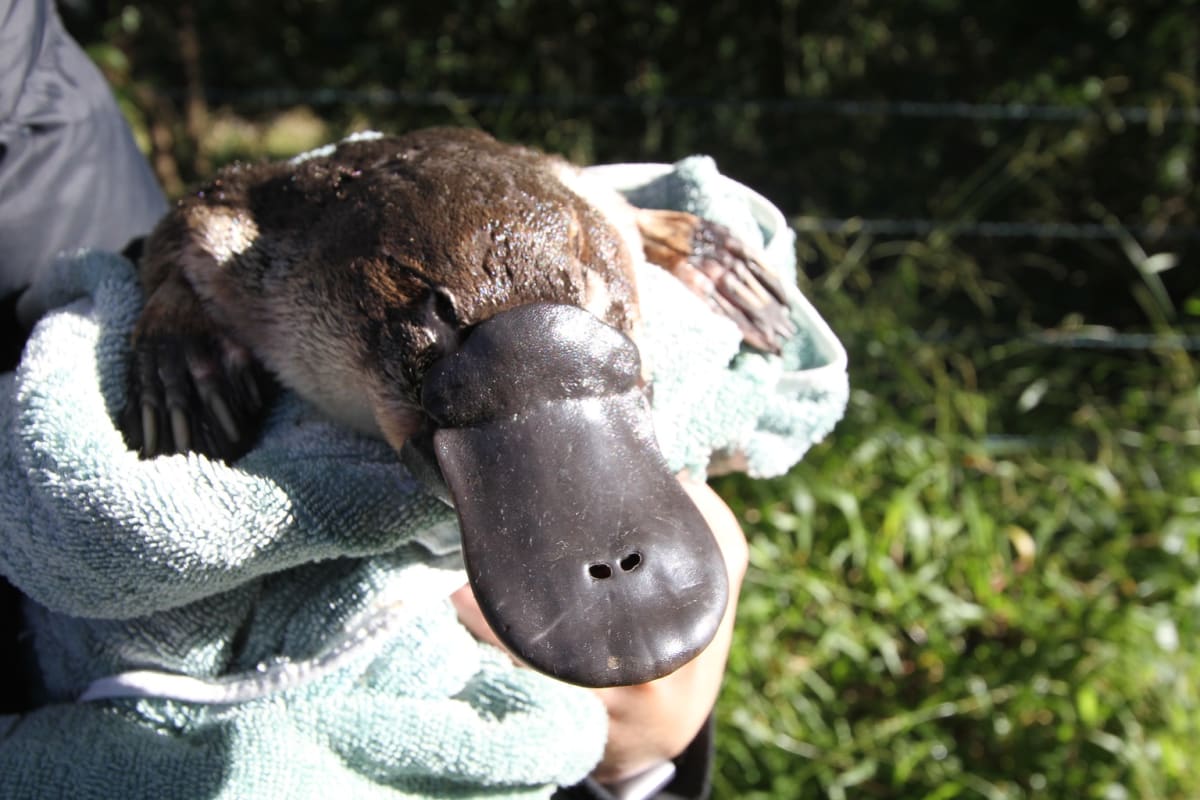
Australia has a new game plan to protect one of its most iconic animals, and it starts with something surprisingly simple: knowing where platypuses actually live.
The duck-billed platypus has always been hard to count. It feeds at dawn and dusk, spends most of its time underwater, and leaves almost no trace behind. That invisibility has made its decline dangerously easy to miss.
Scientists estimate only about 50,000 platypuses remain in the wild, earning the species a "near threatened" classification. But researchers admit the true number remains uncertain, and that uncertainty matters more every year as rivers face growing threats.
Drought shrinks the pools where platypuses hunt for food. Bushfires scorch riverbanks and destroy surrounding vegetation. Floods can drown animals trapped in their burrows. Pollution from mining, industry, and urban runoff kills the aquatic invertebrates that make up most of their diet.
Now conservationists have developed a framework for deciding when to protect platypuses where they are and when moving them becomes necessary. Zoos are preparing to provide emergency care for animals stranded by drought, fire, or flood.
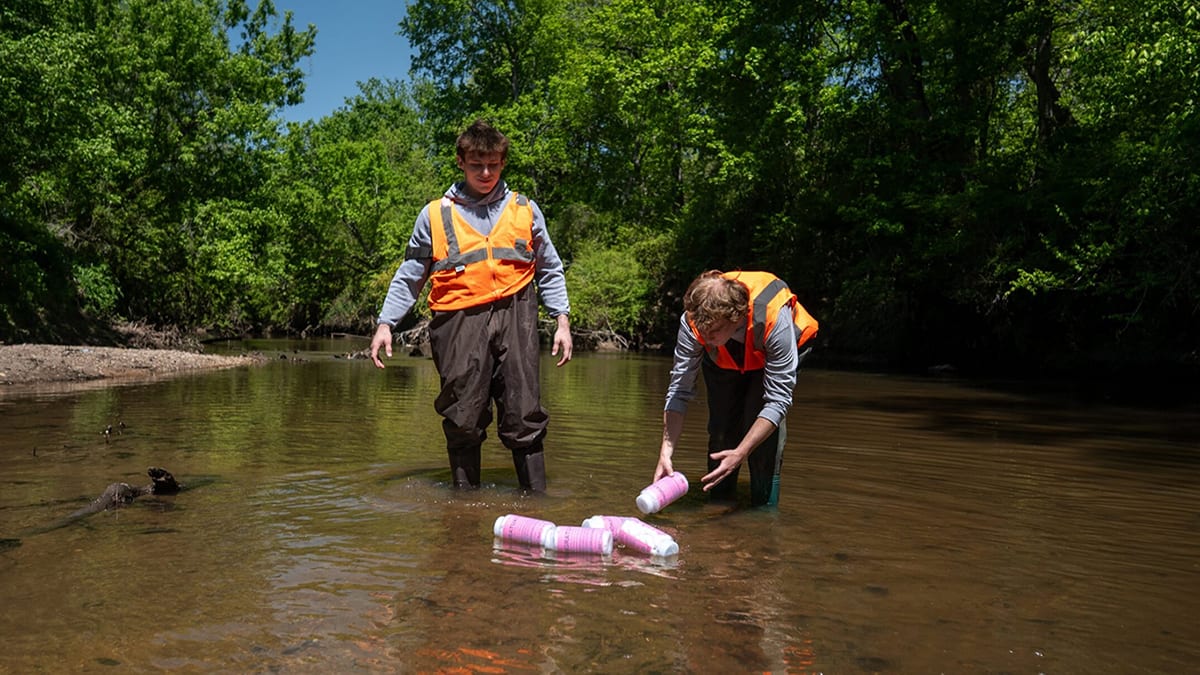
The real breakthrough comes from citizen science and environmental DNA technology. Local residents can now map platypus sightings through community projects, showing where the animals still appear. Water samples can detect platypus DNA without requiring anyone to trap or even see the creatures.
This makes monitoring faster and more accessible to local groups, landowners, and river managers who care for waterways. The technology transforms what was once a specialized task into something communities can manage themselves.
The Ripple Effect
Protecting platypuses means protecting entire river systems. Conservation work includes maintaining riparian vegetation, preserving deep pools and riffles, reducing pollution, and keeping waterways connected. Every action that helps the platypus also heals the river.
River managers now have the tools they need: baseline data, detailed maps, and emergency plans ready before disaster strikes. What works for this hard-to-detect species can work for countless others facing similar challenges.
The platypus might be one of nature's oddest creations, but saving it requires straightforward solutions: better information, healthier rivers, and acting before crisis hits instead of after.
More Images


Based on reporting by Mongabay
This story was written by BrightWire based on verified news reports.
Spread the positivity!
Share this good news with someone who needs it