Australia Moves to Ban Toxic Rat Poison From Store Shelves
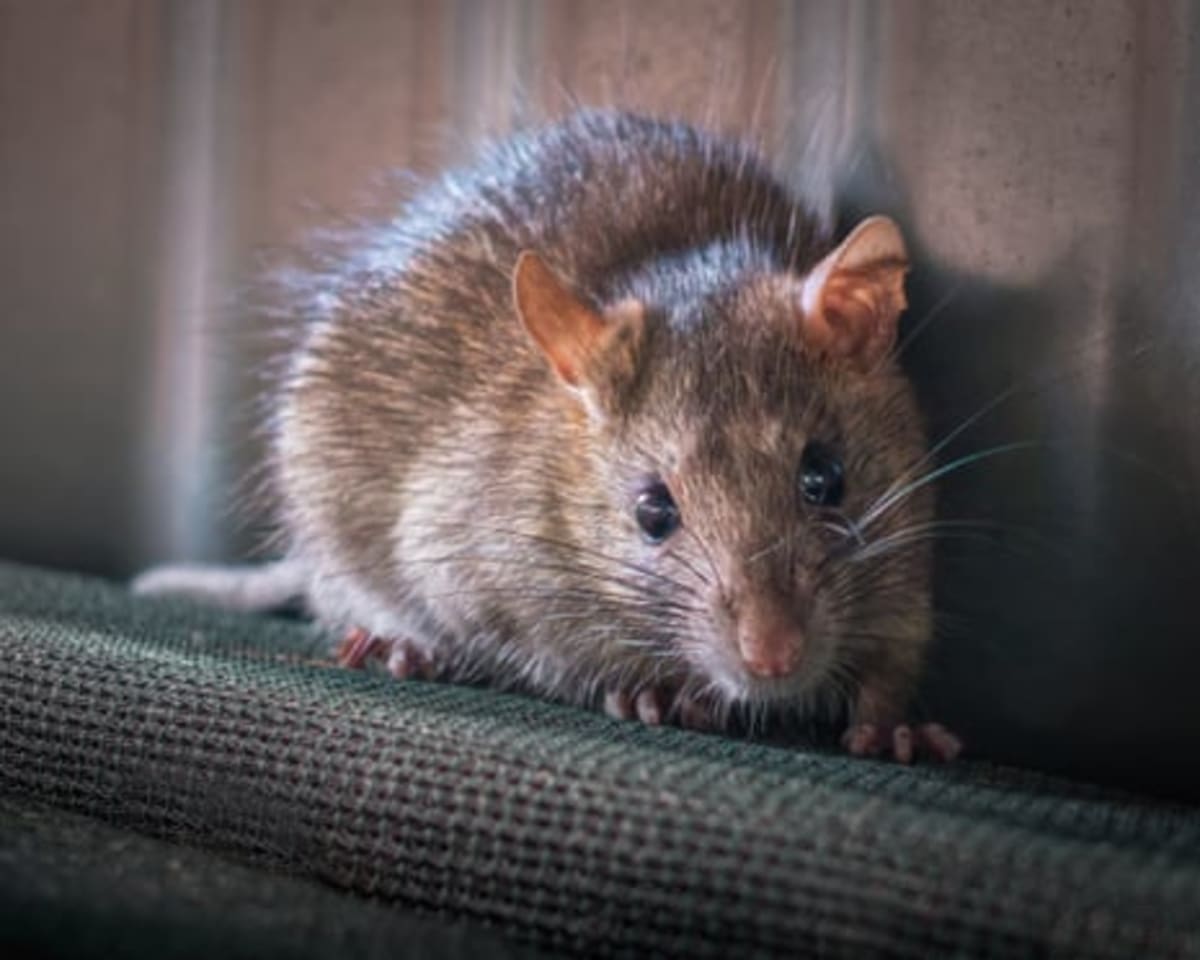
After years of wildlife deaths, Australia's pesticide regulator has recommended removing deadly rat poisons from supermarkets and hardware stores. The move could save thousands of native birds and animals from accidental poisoning.
Wildlife rehabilitators across Australia are celebrating a major victory that could save countless owls, quolls, and other native animals from a preventable death.
The Australian Pesticides and Veterinary Medicines Authority just recommended that second-generation anticoagulant rodenticides be removed from retail shelves at stores like Bunnings, Coles, and Woolworths. If approved by federal and state governments, only licensed professionals would be able to purchase these powerful poisons.
The problem has been hiding in plain sight for years. When people use these rat poisons at home, native predators like powerful owls and tawny frogmouths eat the poisoned rodents and die slow, painful deaths.
Jessica Crause, a Sydney wildlife rehabilitator, has seen the heartbreaking results firsthand. "Birds grounded, unable to fly, getting attacked by predators, puffed up and clearly feeling very unwell," she said. "By the time they come to ground they have been suffering for days and days and it is almost impossible to reverse the damage."
This marks the first time in over a decade that the authority has declared a restricted chemical product. The decision follows a lengthy review that concluded these rodenticides pose an unacceptable risk to wildlife.
While governments review the recommendation, new safety rules take effect March 24th. The poisons can't be used outdoors or for longer than 35 days at a time. Baits must be stored in tamper-resistant stations, and retailers must provide written instructions to every buyer.
The Ripple Effect
This decision could transform wildlife conservation across Australia. Scientists and conservationists have spent years documenting how these poisons move through the food chain, killing animals far from where the poison was placed.
Kate Millar, chief executive of BirdLife Australia, said the recommendation aligns with "overwhelming scientific evidence." Her team's supporters and scientists are already celebrating what she calls "a terrific step for birds and wildlife."
Major retailers are preparing for the change. Woolworths noted they already sell alternative options including ultrasonic repellents, traps, and safer rodenticides without second-generation anticoagulants. These alternatives can effectively control rodent problems without threatening native wildlife.
Thousands of Australian animals that would have died from secondary poisoning may now get a second chance at survival.
More Images

Based on reporting by Guardian Environment
This story was written by BrightWire based on verified news reports.
Spread the positivity!
Share this good news with someone who needs it