Bacteria Survive 24,000x Atmospheric Pressure in Lab Tests
Scientists just proved that hardy bacteria can survive the crushing forces of asteroid impacts, bringing us closer to understanding whether life on Earth came from space. The findings could reshape how we think about life's origins and where to search for it in the universe.
Life might be tougher than we ever imagined, and scientists just proved it by blasting bacteria with forces that would pulverize steel.
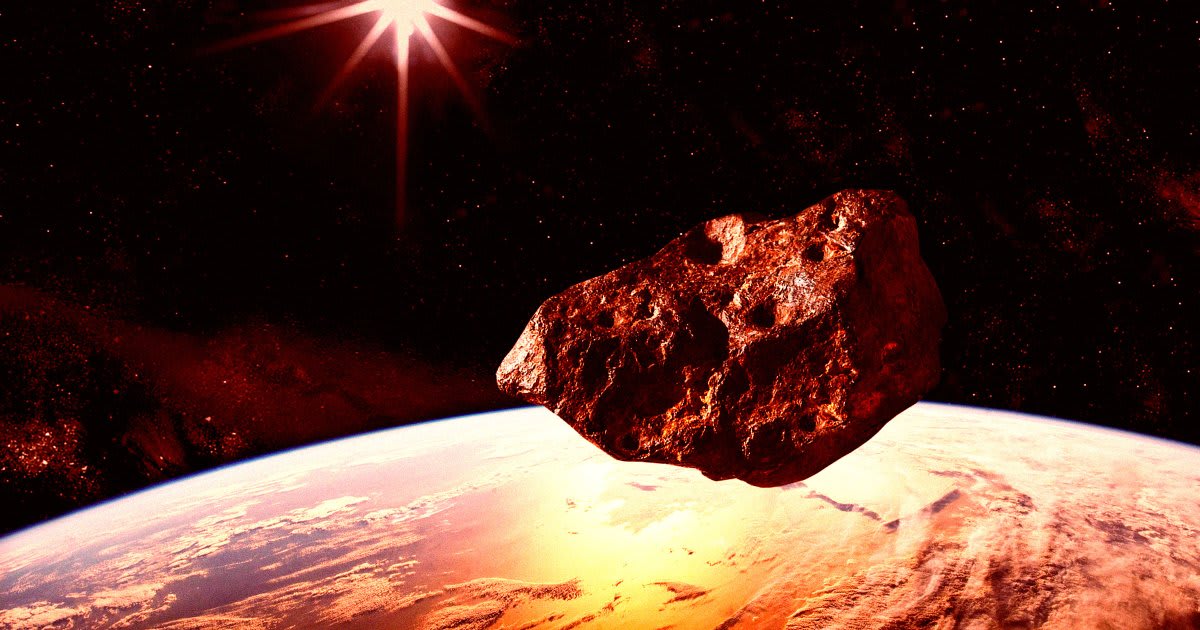
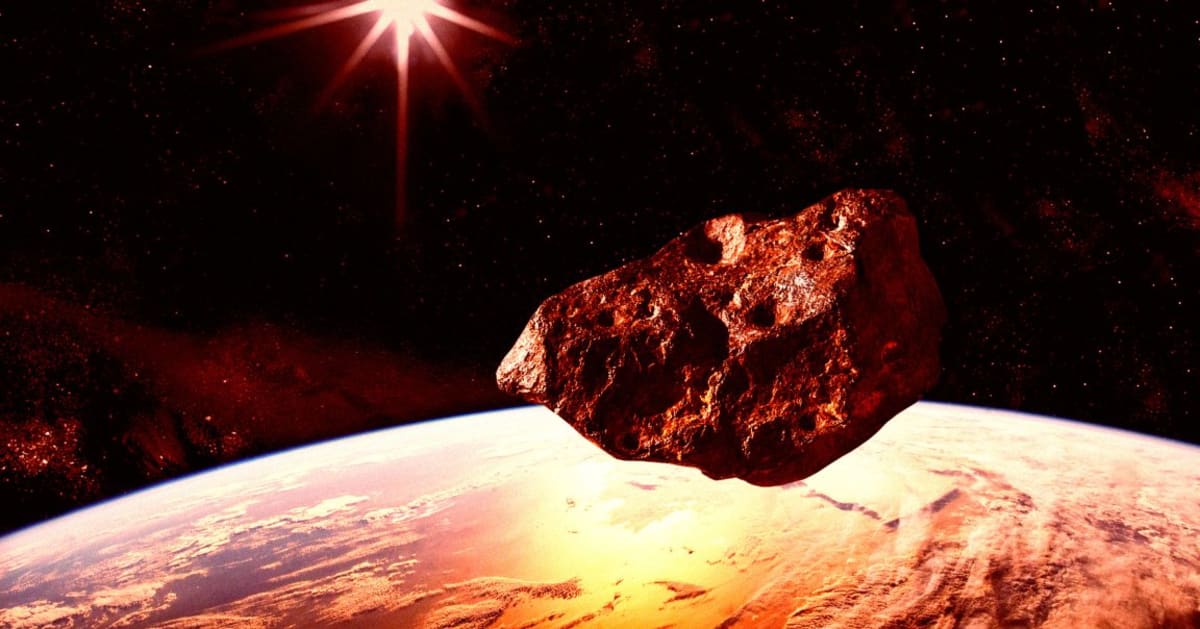
Researchers at Johns Hopkins University wanted to test a bold idea called lithopanspermia. The theory suggests that asteroid strikes on ancient Mars could have launched rocks containing microbes into space, eventually seeding life on Earth billions of years ago.
The team chose Deinococcus radiodurans, a bacterium already known for surviving extreme radiation and dehydration in space. They sandwiched samples between steel plates and subjected them to pressures mimicking asteroid impacts.
The results stunned even the scientists. After blasting the bacteria with 24,000 times normal atmospheric pressure, a whopping 60 percent survived. At even more extreme pressures of 30,000 times atmospheric conditions, nearly ten percent still lived.
"We would have been excited to see one percent survival, honestly," said doctoral student Lily Zhao, who co-authored the study published in The Proceedings of the National Academy of Sciences NEXUS. The experiment only stopped when the steel equipment started failing before the bacteria did.
These findings matter far beyond a single hardy microbe. The research has major implications for planetary protection protocols, spacecraft design, and where we should search for life beyond Earth.
Why This Inspires
This discovery reminds us that life finds a way, even in conditions that seem impossible. The fact that microscopic organisms can withstand forces that destroy metal challenges everything we thought we knew about life's limits.
The research opens exciting new possibilities for understanding our own origins. If microbes can survive these extreme conditions, the idea that life traveled from Mars to Earth becomes more plausible, especially since Mars likely had oceans, lakes, and rivers billions of years ago.
The team now plans to test whether fungi and other organisms can survive similar conditions. Zhao summed up the optimism perfectly: "Life is always hardier than we expect it to be."
Whether or not life once existed on Mars remains unknown, but these tiny survivors prove that the journey between planets isn't as impossible as we once thought.
More Images
Based on reporting by Futurism
This story was written by BrightWire based on verified news reports.
Spread the positivity!
Share this good news with someone who needs it