Bacteria Team Up to Eat Toxic Plastics Alone They Can't
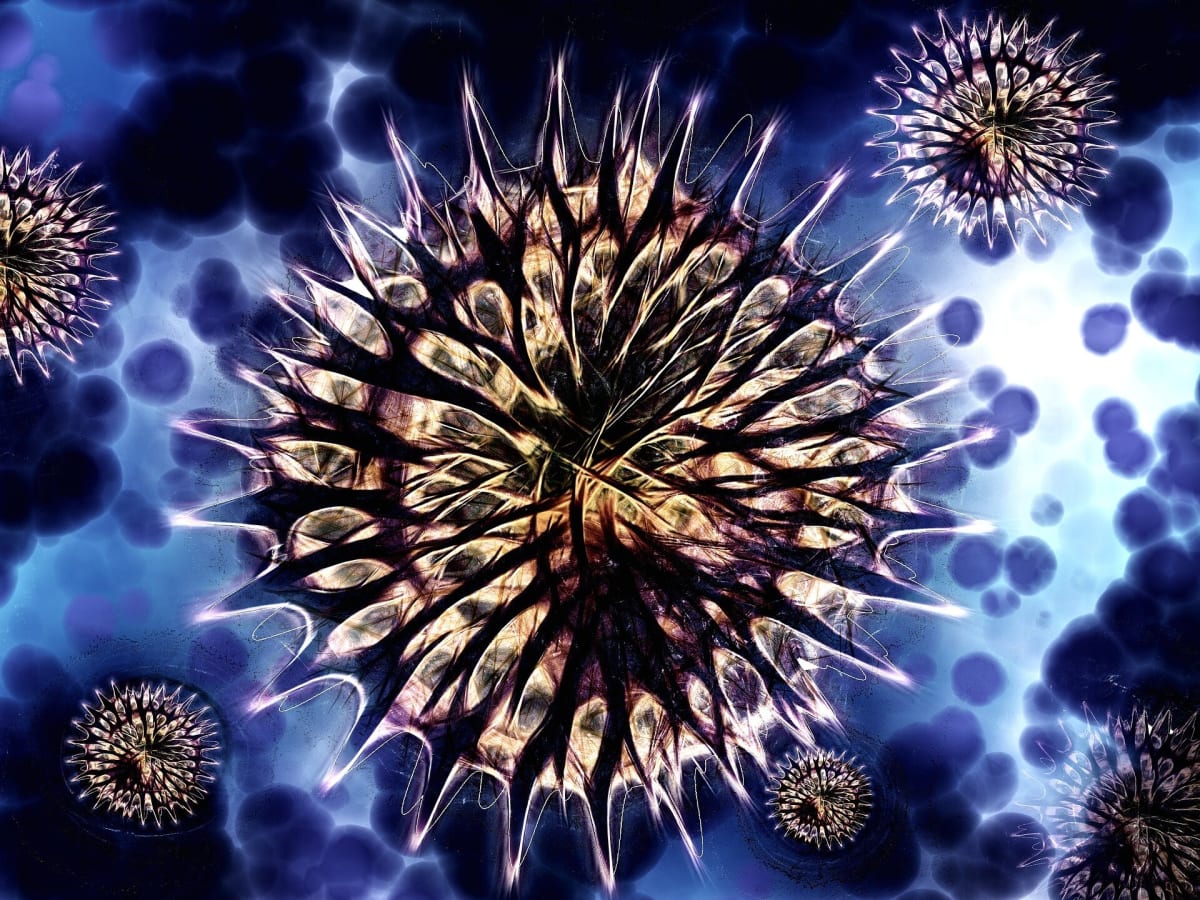
German scientists discovered three bacteria species working together to digest toxic plastic chemicals that single microbes couldn't handle. The cooperative "consortium" breaks down harmful phthalates found in everyday products, opening new doors for cleaning up plastic pollution.
Plastic pollution has reached everywhere from Mount Everest's peak to the deepest ocean trenches, but nature might have an answer hiding in the most unexpected place: a laboratory bioreactor tube.
Scientists at Germany's Helmholtz Centre for Environmental Research discovered something remarkable when they examined the biofilm growing on their equipment. Three different bacteria species had formed a natural team capable of eating phthalate esters, toxic plastic chemicals found in building materials, food packaging, and personal care products that have been linked to cancer and hormonal disorders.
The discovery marks a breakthrough because these bacteria literally cannot do this alone. Each species needs the others to survive on the plastic diet, sharing metabolic byproducts in a process called cross-feeding that had never been documented in plastic-eating bacteria before.
Dr. Christian Eberlein and his team grew this bacterial dream team in their lab, feeding it diethyl phthalate as its only energy source. At room temperature, the consortium devoured the plastic chemicals completely within 24 hours and handled concentrations up to 888 milligrams per liter.
DNA testing revealed the players: two Pseudomonas species and one previously unknown Microbacterium species. When separated, none could digest the plastics, but together they became metabolic superheroes using enzymes never before seen by science.
The consortium's versatility impressed researchers most. Beyond the initial test chemical, it successfully broke down four different common phthalates, making it practical for real-world cleanup where multiple plastic types contaminate the same environment.
Eberleinbelieves evolution drove this cooperation. Bacteria originally developed enzymes to break down natural molecules with similar chemical bonds, but decades of plastic pollution created intense evolutionary pressure that pushed microbes to adapt and specialize.
The team found their bacteria living naturally in their lab, suggesting these cooperative communities might already exist in polluted environments worldwide. Natural selection simply needed time and persistent contamination to forge these unlikely partnerships.
The Ripple Effect
This discovery could transform how we approach plastic cleanup. While individual plastic-eating microbes have been found over the past 25 years, most work slowly, need high temperatures, and only handle one plastic type in controlled bioreactors.
Bacterial teams change everything. They can share tasks, compensate for each other's weaknesses, and adapt when environmental conditions shift, making them far more robust for real-world applications.
The Helmholtz team is part of FINEST, a larger project engineering solutions for sustainable circular economies. Their next step tests the consortium in actual wastewater containing microplastics to see if it can handle messy, real-world conditions.
Senior scientist Dr. Hermann Heipieper envisions a future where these bacteria get introduced into polluted natural environments through bioaugmentation, actively reducing toxic phthalate contamination in rivers, soil, and groundwater.
The consortium can't yet tackle every plastic type, particularly resistant materials like polyethylene and polypropylene. But this proof that bacteria can cooperate to eat plastics opens entirely new strategies for combating pollution.
Nature is already evolving solutions to the problems we've created.
More Images

Based on reporting by Google News - Science
This story was written by BrightWire based on verified news reports.
Spread the positivity!
Share this good news with someone who needs it