Bald Eagles Thrive in Ohio's Cuyahoga Valley National Park
Once nearly extinct with only four nests in Ohio in 1979, bald eagles now nest successfully in Cuyahoga Valley National Park, with 21 eaglets taking flight since 2007. The comeback story signals a dramatic ecological recovery for a valley once choked by heavy industry.
Visitors to Ohio's Cuyahoga Valley National Park can now witness something extraordinary: America's national symbol soaring over waters that were once too polluted to support life.
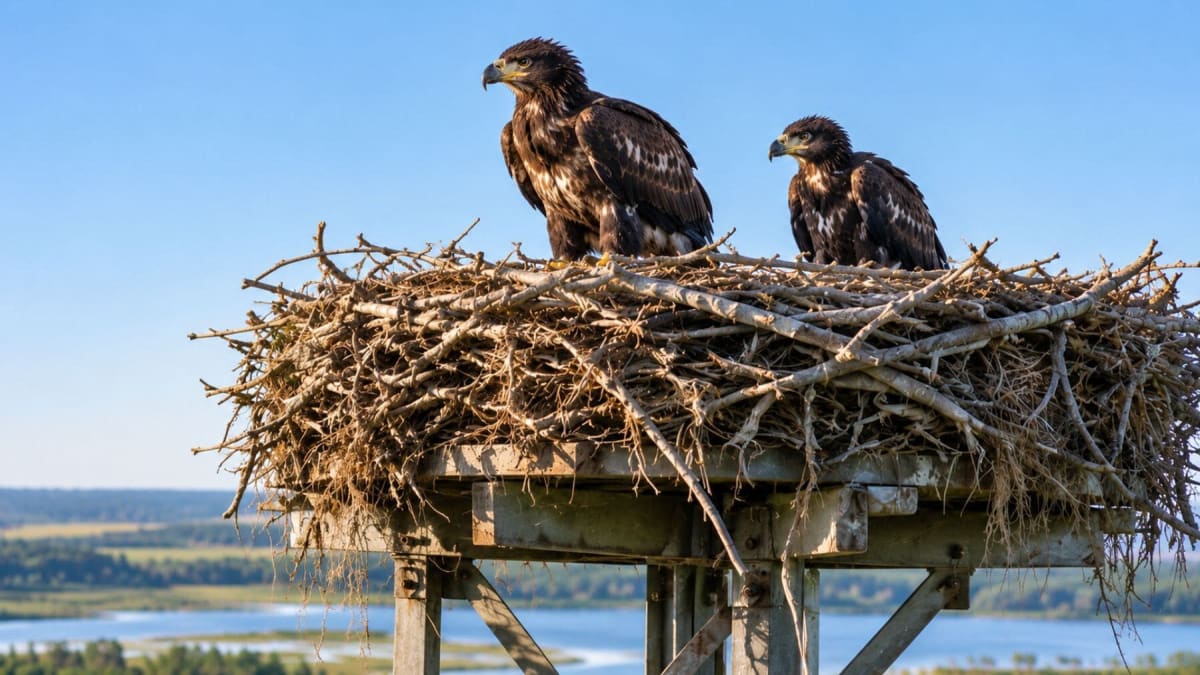
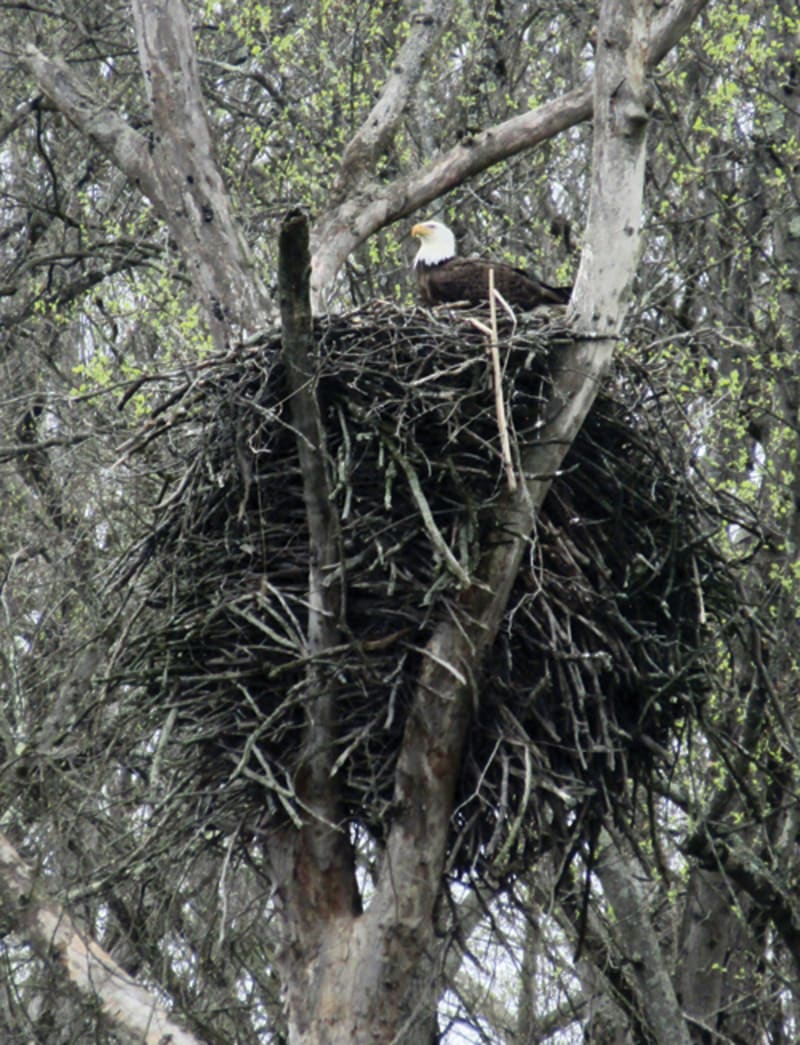
Bald eagles have made a stunning return to Northeast Ohio's backyard. Multiple breeding pairs now nest along the Cuyahoga River, raising their young in massive nests perched high above the Towpath Trail and Beaver Marsh areas.
The recovery represents one of conservation's greatest triumphs. In 1979, Ohio recorded just four bald eagle nests statewide as pesticides and habitat loss pushed the species toward extinction. Today, nearly 1,000 nests dot the state.
"Everyone should have a chance to see a bald eagle in this year when our nation celebrates 250 years," said CVNP Public Information Officer Pamela Barnes. "The presence of nesting pairs means visitors may experience firsthand the incredible comeback story of the Cuyahoga River."
The first nest appeared in the park in 2006, just north of Station Road Bridge. Its arrival marked a turning point for a valley that had harbored heavy industry and suffered severe environmental degradation.
"The fact that there is more than one nesting pair is a clear sign that the area provides good quality habitat," explained Biologist Mariamar Gutierrez. Bald eagles are highly territorial and need large home ranges with clean water for fishing and sturdy trees for their enormous nests.
Since 2007, park officials have documented 21 eaglets successfully fledging from their nests. The youngsters start out completely brown, only developing their distinctive white head feathers after five or six years.
The Ripple Effect
The eagles' return signals something bigger than just one species bouncing back. Clean water now flows where toxic waste once pooled, and the valley's ecological health continues improving year by year.
The park now hosts more than 200 bird species, making it a premier destination for nature lovers. Popular viewing spots include the Towpath Trail near Station Road Bridge, Lock 29, and Indigo Lake.
Park officials ask visitors to stay at least 200 yards from nesting trees to avoid disturbing breeding pairs. The respectful distance allows these magnificent birds to raise their families undisturbed while still giving people a chance to witness conservation in action.
From near extinction to thriving populations, bald eagles prove that protecting habitat and implementing environmental regulations can bring species back from the brink.
More Images
Based on reporting by Google News - Conservation Success
This story was written by BrightWire based on verified news reports.
Spread the positivity!
Share this good news with someone who needs it