Bengaluru Builds 44-Pound Sub That Maps Ocean Floors
Two engineers in Bengaluru created an underwater robot light enough for two people to carry, making ocean mapping affordable for India. The 20-kilogram device navigates alone, surveys the seabed, and could transform how the country explores its waters.
India has conquered the skies with satellites and drones, but the ocean floor has remained mostly out of reach. Until now, exploring underwater meant importing expensive robots that cost so much they were only used for critical missions.
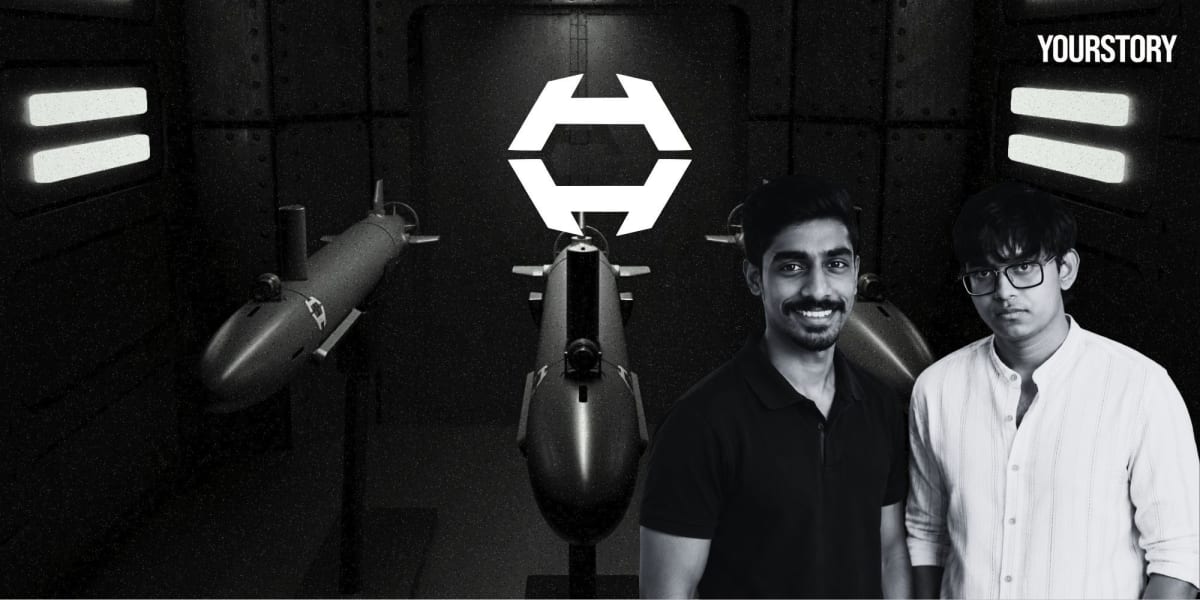
Vishaal M Kabilan and Sibi M saw an opportunity in 2023. They founded Hyper Horizon in Bengaluru with a simple goal: build underwater robots cheap enough to send everywhere, not just somewhere special.
Their creation weighs under 20 kilograms and measures less than 1.8 meters long. Two people can lift it from a small boat without a crane or support vessel, which changes everything about how it gets used.
The small package carries serious technology. A Doppler velocity log tracks speed over the seabed, letting the robot know where it is without GPS signals that cannot penetrate water. Side scan sonar creates images of the ocean floor below.
An acoustic tracking system lets operators follow the robot from the surface up to a kilometer away. Sound is the only way to communicate underwater at any distance, so the team built that capability in from the start.
The company tested its robot in a high-altitude lake in Ladakh, where cold temperatures and thin air stress both electronics and navigation systems. The machine performed, proving it could handle demanding real-world conditions.
Hyper Horizon reported revenue of 1.19 crore rupees for the year ending March 2025, achieved without outside funding. That is unusual for a hardware startup and suggests actual customers are buying, even if the company has not announced specific orders publicly.
The potential buyers are clear: the Navy, Coast Guard, port authorities, and offshore energy companies all need affordable ocean mapping. These organizations typically buy slowly but in volume once they trust a supplier.
Why This Inspires
Most countries rely on imports for underwater technology, keeping costs high and limiting who can explore beneath the waves. Hyper Horizon is proving that affordable, capable alternatives can come from unexpected places.
Building this technology in India means more organizations can afford to map harbors, inspect infrastructure, and understand coastal waters. When exploration becomes routine instead of rare, discoveries multiply.
The shift from exclusive to distributed matters beyond one company. When tools become accessible, they get used in new ways by new people solving problems nobody thought to tackle before.
Two engineers with a workshop are competing against well-funded American firms by focusing on what works rather than what impresses. Ocean exploration just became more democratic.
More Images


Based on reporting by YourStory India
This story was written by BrightWire based on verified news reports.
Spread the positivity!
Share this good news with someone who needs it