Boreal Forests Grow 12% and Shift North Over 36 Years
Scientists analyzed 36 years of satellite data and discovered boreal forests have grown by 12 percent while steadily moving northward. The expansion means these crucial forests could absorb billions more tons of carbon from our atmosphere.
The world's largest forests are on the move, and scientists just mapped their incredible journey north.
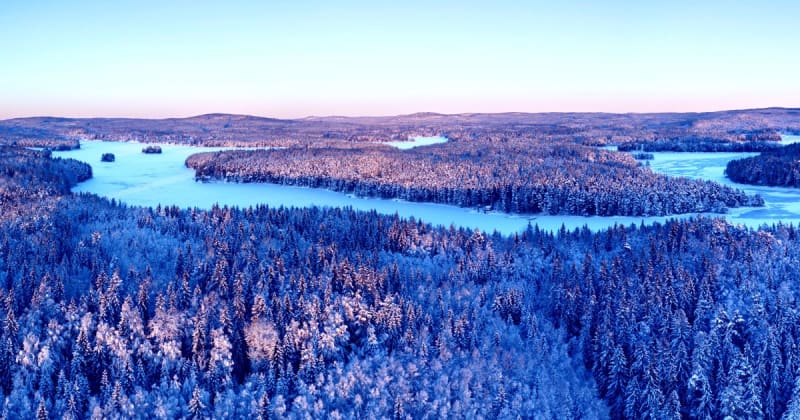
Researchers from NASA and partner institutions spent years analyzing satellite images from 1985 to 2020, tracking every shift in Earth's boreal forests. These vast woodlands stretch across the northern regions of our planet and play a massive role in soaking up carbon from the atmosphere. What they found surprised even the experts: the forests had grown by 12 percent and crept 0.29 degrees of latitude closer to the North Pole.
The team created detailed maps showing tree cover at a resolution of just 100 feet. This level of detail revealed something remarkable about how our planet adapts to change. The forests aren't just surviving, they're expanding into new territory.
Young trees are leading this northern march, and that matters for our climate. These growing forests could absorb between 1.1 and 5.9 gigatonnes of carbon dioxide, giving our atmosphere a significant boost. To put that in perspective, all the world's trees currently hold about 861 gigatonnes of carbon, so this expansion represents meaningful progress.
The Bright Side
While climate change presents real challenges, this discovery shows nature's remarkable ability to respond and adapt. The expansion of boreal forests demonstrates that even as our planet warms, ecosystems are finding ways to grow and thrive in new areas.
These young, expanding forests have distinct characteristics that make them especially good at capturing carbon. Their growth pattern positions them as dynamic carbon sponges, actively pulling greenhouse gases from the air as they establish themselves in previously barren northern regions.
The research team emphasized that understanding these changes is essential for predicting how Earth's natural systems will help balance our climate future. They're calling for more collaboration between scientists, governments, and businesses to translate these findings into real climate action.
Scientists note that while the forests face risks from wildfires and pests, this northward expansion and growth represents a significant positive development. The greening of these northern regions will play an increasingly important role in the global carbon budget moving forward.
Nature is adapting, and these ancient forests are showing us that growth and resilience are still possible on a changing planet.
More Images
Based on reporting by Futurism
This story was written by BrightWire based on verified news reports.
Spread the positivity!
Share this good news with someone who needs it