Boston's Climate Plan Could Create 67,000 Green Jobs by 2030
Mayor Michelle Wu just unveiled Boston's roadmap to cut emissions in half by 2030 while creating tens of thousands of good-paying jobs. The plan turns years of climate promises into measurable action that benefits every neighborhood.
Boston just showed America how fighting climate change can create opportunity instead of sacrifice.
Mayor Michelle Wu announced the city's 2030 Climate Action Plan at LoPresti Park in East Boston, surrounded by dozens of community partners ready to turn ambitious goals into reality. The comprehensive roadmap aims to slash greenhouse gas emissions by 50% within six years while protecting neighborhoods from rising seas and extreme weather.
The plan stands out for one powerful reason: it treats climate action as an economic engine. Implementation is expected to support approximately 67,000 full-time jobs annually, from installing heat pumps to building coastal defenses to expanding Boston's tree canopy.
Boston is already ahead of schedule, on track to reduce emissions by 48% through existing programs. The new plan bridges that final gap while simultaneously lowering energy costs for residents and businesses through initiatives like Boston Community Choice Electricity.
Climate justice sits at the heart of the strategy. City planners prioritized input from environmental justice communities who will face the worst climate impacts, ensuring every neighborhood receives health, economic, and resilience benefits.
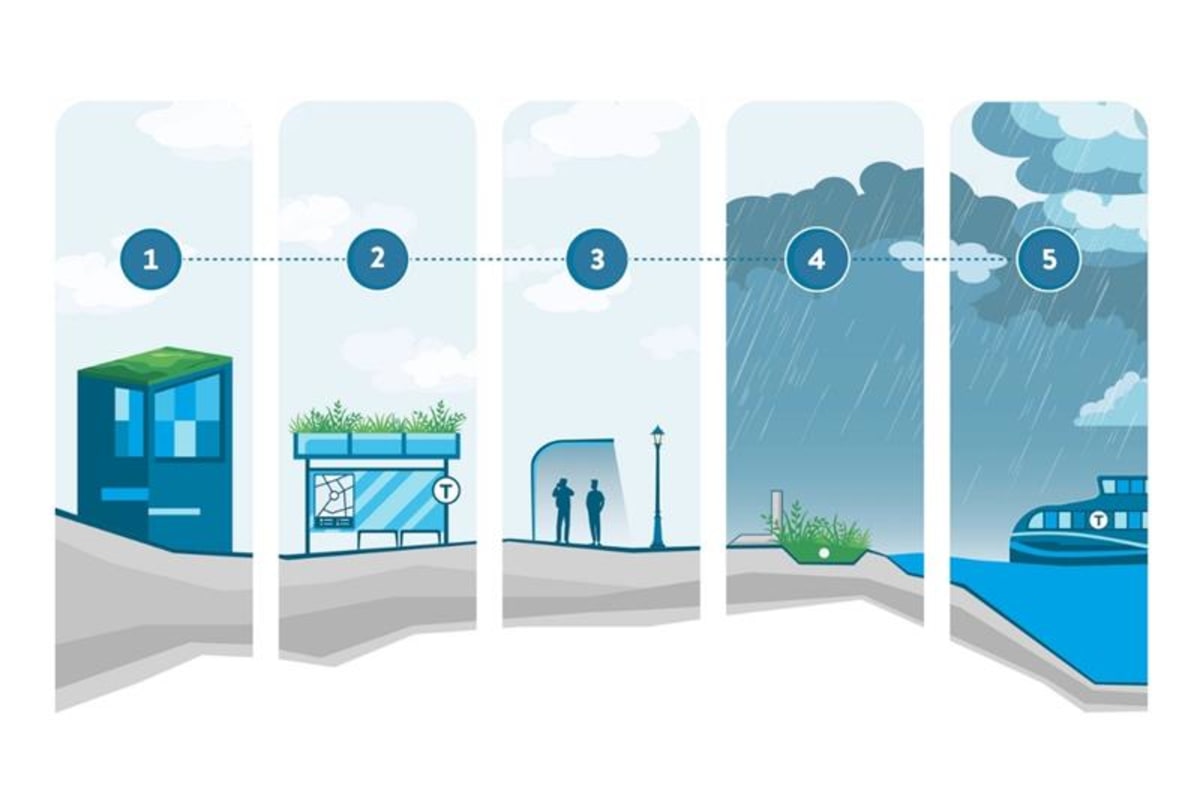
The plan protects critical infrastructure that the entire New England region depends on: world-class hospitals, universities, highway and rail networks, and local food systems. Strategies include screening all city projects for future climate risks, protecting residents from flood pathways, and reducing heat-related injuries through expanded tree plantings.
Training pipelines will expand access to green jobs through city procurement policies, Project Labor Agreements, and programs like PowerCorps Boston. Residents can track progress through 22 metrics on a public Climate Action Plan Implementation Dashboard, from buildings meeting net-zero standards to heat pump installations to graduates from climate job training programs.
The Ripple Effect: Boston's approach offers a blueprint for cities nationwide struggling to balance climate goals with economic concerns. By framing emissions reduction as job creation and resilience building as community investment, the plan demonstrates that environmental action and prosperity can advance together.
Chief Climate Officer Brian Swett emphasized that these aren't distant promises but concrete strategies with measurable targets and actionable timelines. The ceremonial planting of 10 trees in East Boston during the launch event symbolized immediate action, improving the neighborhood's resilience to extreme heat starting today.
Boston is proving that climate leadership doesn't require choosing between the planet and people's livelihoods.
More Images

Based on reporting by Google News - Emissions Reduction
This story was written by BrightWire based on verified news reports.
Spread the positivity!
Share this good news with someone who needs it